TL;DR
Listen free for 30 days with Audible
Thousands of audiobooks and originals — cancel anytime.
Start your free trialAs an affiliate, we earn on qualifying purchases.
The U.S. Department of Alcohol Control has proposed new regulations impacting beer sales across the country. The move aims to address concerns over excessive fines and enforcement, but details remain uncertain. The regulation could significantly influence producers, retailers, and consumers.
The U.S. Department of Alcohol Control has proposed new regulations that would impose stricter controls on the sale and distribution of beer nationwide. This development is significant for breweries, retailers, and consumers, as it could reshape the legal landscape of alcohol sales in the United States.
The proposed regulations, announced on March 15, 2024, aim to tighten oversight of beer sales by increasing licensing requirements and enforcement measures. According to the department, the goal is to reduce illegal distribution and address concerns about excessive fines, which have been a point of contention in recent disputes, particularly in states like Alaska.
Officials stated that the new rules would establish clearer guidelines for licensing, limit the ability of local authorities to impose disproportionate fines, and improve transparency in enforcement actions. The proposal follows a series of high-profile disputes over fines and confiscations, with critics arguing that current laws are overly punitive and inconsistent.
The department emphasized that the regulations are still in draft form and open for public comment over the next 60 days. Industry groups have expressed cautious interest, with some welcoming efforts to clarify enforcement, while others have raised concerns about potential overreach and increased compliance costs.
Potential Impact on Beer Industry and Consumers
This proposed regulation could significantly influence how beer is sold and distributed across the U.S., potentially reducing legal disputes over fines and enforcement practices. For breweries and retailers, clearer rules may streamline operations and reduce legal risks. For consumers, changes could affect availability, pricing, and purchasing options, especially in regions with historically aggressive enforcement.
Additionally, the move signals a possible shift toward more standardized alcohol regulation nationwide, which could impact state and local laws. The controversy over fines and confiscations, notably in Alaska, highlights the importance of balanced enforcement that protects public safety without unfairly penalizing businesses.
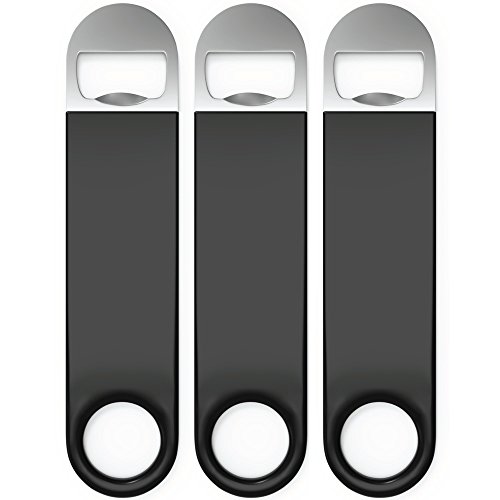
Bartender Bottle Openers, Beer Bottle Openers, Speed Openers 3 Pack by Premium Cold One. Professional Grade: Rubber Coated, Stainless Steel. Large, 7 inch
- Size: 7-inch large opener
- Professional Use: Bartender approved
- Ideal For: Gifts and parties
As an affiliate, we earn on qualifying purchases.
As an affiliate, we earn on qualifying purchases.
Background of Alcohol Regulation Disputes in the U.S.
Alcohol regulation in the United States has long been a patchwork of federal, state, and local laws, often leading to inconsistent enforcement. Over recent years, disputes over fines, confiscations, and licensing have increased, with some businesses claiming excessive penalties. Notably, in Alaska, disputes over fines for alcohol violations have prompted calls for reform.
The Department of Alcohol Control, established in 2022, has been working to modernize and clarify regulations amid these tensions. The current proposal reflects ongoing efforts to balance enforcement with fairness, responding to industry concerns and public safety priorities.
Historically, alcohol regulation has been contentious, with debates over alcohol-related harms, economic impacts, and individual freedoms. The new proposed rules are part of a broader effort to reform the regulatory framework and reduce legal conflicts.
“Our goal is to create clearer, fairer rules for alcohol sales that protect consumers and businesses while reducing unnecessary enforcement disputes.”
— Department of Alcohol Control spokesperson
Details of the Proposed Regulations Still Unclear
It remains uncertain how the final regulations will be shaped following the public comment period. Specific provisions, such as the limits on fines and enforcement procedures, are still under discussion. Additionally, how states and local authorities will adapt to these federal proposals is not yet clear.
It is also unknown how quickly the regulations will be implemented if adopted, or how they will impact ongoing disputes like those in Alaska. Stakeholders await further details from the department’s final rulemaking process.
Next Steps in the Regulatory Review Process
The Department of Alcohol Control will review public comments over the next 60 days before finalizing the regulations. Following this, the rules will undergo formal adoption, which could take several months. Industry groups and state authorities are expected to monitor developments closely and prepare for potential compliance changes.
Legal challenges or state-level adjustments may also influence the final outcome. Stakeholders should stay informed about updates and prepare for possible shifts in alcohol regulation policies.
Key Questions
How will the new regulations affect beer prices?
It is not yet clear how the regulations will impact prices. Potential changes in licensing costs or enforcement practices could influence retail prices, but specifics are still under discussion.
Will small breweries face stricter rules?
The proposals aim to clarify licensing and enforcement, which could benefit small breweries by reducing arbitrary fines. However, some industry groups are concerned about increased compliance costs.
When will the new regulations take effect?
If finalized, the regulations could be implemented within several months after the review process concludes, but exact timing depends on the final rulemaking procedures.
Are these regulations nationwide or only in certain states?
The proposals are federal, but enforcement and implementation may vary by state and local jurisdictions. States could choose to adopt or modify the rules.
What prompted these regulatory changes?
Disputes over fines and confiscations, especially in Alaska, and concerns about inconsistent enforcement practices prompted the department to propose clearer, fairer regulations.
Source: google-trends
Pool season Picks
robotic pool cleaners
As an affiliate, we earn on qualifying purchases.