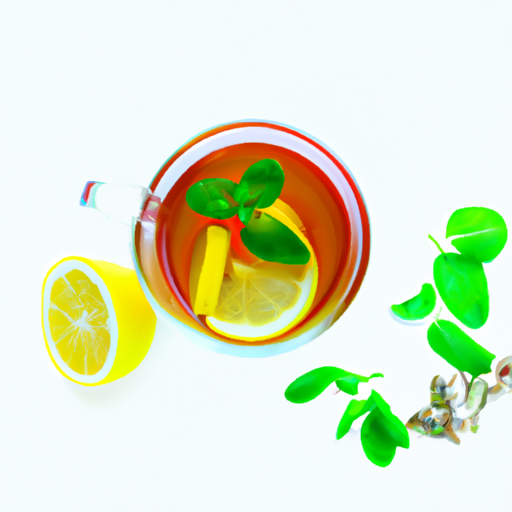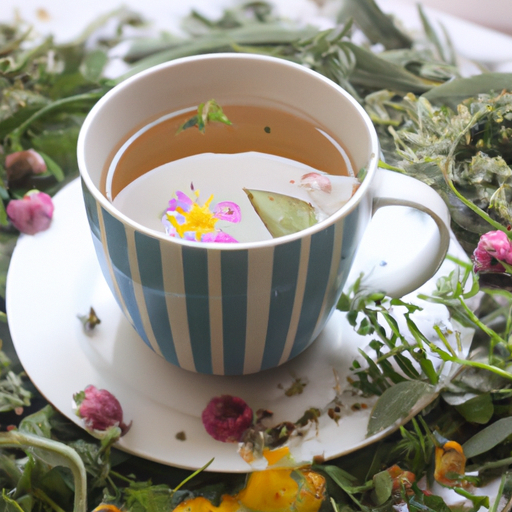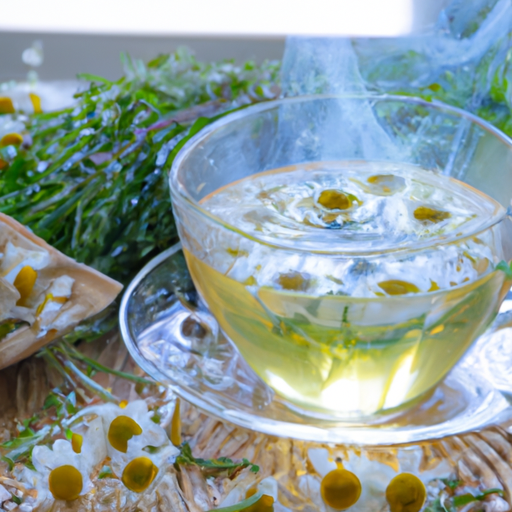
Many tea lovers miss how diverse and layered herbal teas truly are. They often focus on taste alone, overlooking how different herbs, flowers, and roots create complex flavors that evolve during each sip. Proper brewing techniques, like adjusting steeping time and water temperature, reveal even more aroma and depth. Plus, herbal teas offer wellness benefits beyond flavor, making them a mindful, versatile choice. Keep exploring, and you’ll discover the fascinating nuances that make herbal teas so unique.

Get coffee and tea gear delivered free — and shop member deals
- Fast, free delivery on millions of items
- Access to Prime Big Deal Days deals on October 6–7
- Prime Video, Amazon Music and more included
Key Takeaways
- The layered, evolving flavors that develop over time during brewing are often overlooked by tea lovers.
- Proper brewing techniques, including steeping time and temperature, are essential to unlocking herbal tea’s full flavor.
- The diverse taste profiles—sweet, floral, earthy, spicy—are richer than many realize, requiring attentive tasting.
- Herbal teas offer unique wellness benefits and calming effects not always appreciated by traditional tea drinkers.
- Creative uses like cold brewing or blending with other ingredients can enhance appreciation and enjoyment.
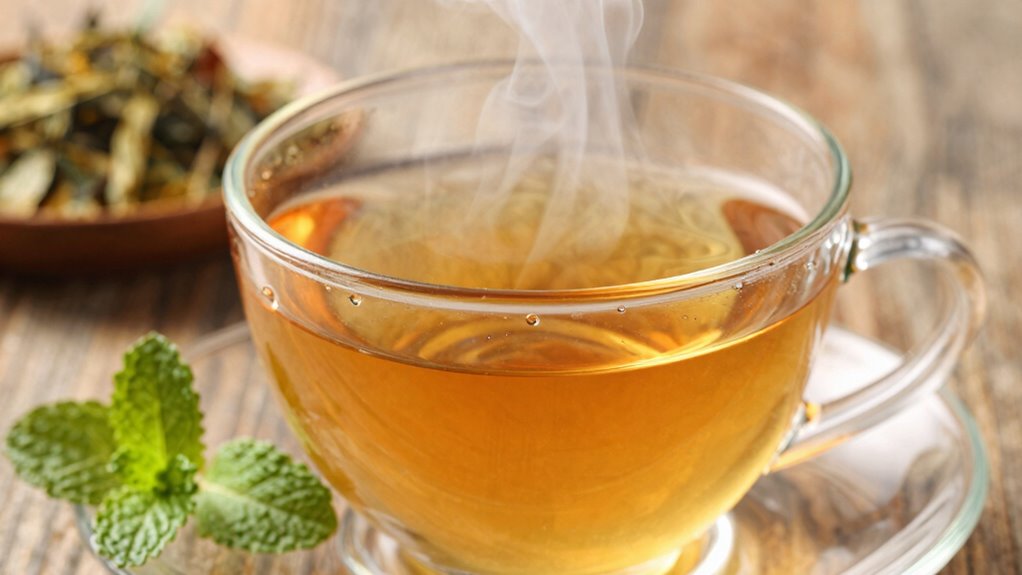
Many tea lovers focus on the familiar flavors of black and green teas, but they often overlook the unique qualities that make herbal teas special. One of the most compelling aspects of herbal teas is their rich and diverse flavor nuances. Unlike traditional teas, which derive their flavors from processed leaves, herbal teas are crafted from a variety of herbs, flowers, roots, and fruits. This variety creates a spectrum of taste experiences—from sweet and floral to earthy and spicy—that can surprise even seasoned tea drinkers. Recognizing these subtle differences requires you to pay close attention to the ingredients and how they interact with each other. It’s not just about the initial aroma but the layered flavors that evolve as you sip. Many herbal teas reveal complex notes that develop over time, encouraging you to savor each sip and explore their full flavor profile. Understanding herbal composition can significantly enhance your appreciation of these layered flavors.
Another aspect that often goes unnoticed is the importance of brewing techniques. Herbal teas demand different approaches compared to black or green teas to truly access their potential. For example, while traditional teas typically need specific water temperatures and steeping times, herbal teas often benefit from a longer infusion to extract their full flavor. Using water that’s too hot or steeping for too short a period can leave you with a weak or muted taste. Conversely, over-steeping can lead to bitterness or astringency, masking the delicate herbal notes. As a tea lover, you might not realize that adjusting your brewing methods can considerably enhance your herbal tea experience. Experimenting with water temperature, steeping duration, and even the amount of herbs used can help you discover the perfect balance that brings out the most vibrant flavors and aromatic qualities. Additionally, exploring different brewing techniques can open up new possibilities for flavor extraction and aroma enhancement. Being aware of water temperature and steeping times is essential to unlock the full potential of each herbal blend. Moreover, understanding the quality of herbs used can also influence the final taste and aroma of your tea.
Beyond flavor and brewing, many people overlook the herbal teas’ versatility and the wellness benefits they offer. They’re often seen simply as a soothing beverage or a remedy, but they can also be enjoyed in creative ways—cold, as a base for herbal cocktails, or combined with other ingredients for a personalized tea blend. Recognizing these possibilities adds a new dimension to your tea-drinking ritual. Fundamentally, what most tea lovers miss about herbal tea isn’t just its flavor nuances or the right brewing techniques but the opportunity to deepen your appreciation for the variety, complexity, and versatility that make herbal teas a truly unique and rewarding experience. By paying attention to these details, you can transform your simple cup of herbal tea into a mindful, flavorful journey. Additionally, understanding the science behind caffeine in herbal teas can help you choose blends that suit your wellness goals without the stimulant effects found in traditional teas.
As an affiliate, we earn on qualifying purchases.
Frequently Asked Questions
Are Herbal Teas Suitable for Children and Pregnant Women?
Herbal teas can be suitable for children and pregnant women, but you need to prioritize safety. For children, choose herbal teas that are gentle and free from caffeine or strong herbs, always considering children’s safety. During pregnancy, follow pregnancy precautions and consult your healthcare provider before consuming any herbal tea, as some herbs can cause complications or interact with medications. Always read labels and opt for herbal teas with safe, pregnancy-friendly ingredients.
How Long Can Herbal Teas Be Stored Without Losing Potency?
Herbal teas typically stay fresh for about 6 to 12 months if stored properly, but their potency retention diminishes over time. To maximize freshness, you should keep tea storage in a cool, dark, and airtight container away from moisture, light, and heat. Regularly check for any signs of spoilage like aroma loss or mold. Proper storage guarantees you enjoy the full flavor and health benefits of your herbal teas longer.
Can Herbal Teas Help With Specific Health Conditions?
Did you know herbal teas can support specific health conditions? For example, chamomile can ease anxiety, while peppermint aids digestion. Herbal tea benefits vary widely, and mastering tea infusion techniques maximizes their effects. When you steep herbs properly, you release potent compounds that help with inflammation or relaxation. So, next time you brew, tailor your infusion to target your health needs, making herbal tea both delicious and beneficial.
Are There Any Common Allergens in Herbal Teas?
Herbal tea allergies are rare but possible, so you should watch out for common allergen identification. Some herbs like chamomile, ragweed, and mint can trigger allergic reactions in sensitive individuals. Always check ingredient labels and consult with a healthcare professional if you’re unsure about potential allergens. If you notice symptoms like itching, swelling, or difficulty breathing, stop drinking the herbal tea immediately and seek medical help.
What’s the Best Way to Brew Herbal Tea for Maximum Flavor?
To brew herbal tea for maximum flavor, start with fresh, filtered water heated to the right temperature—about 200°F or just below boiling. Use tea steeping times of 5 to 10 minutes, depending on the herbs. Cover your cup to trap the aroma and nutrients. Stir gently before removing the herbs. This method reveals the full, rich flavors and health benefits of your herbal tea.
Conclusion
You might think herbal tea is just a soothing ritual, but it’s so much more. Did you know that over 60% of tea drinkers prefer herbal blends for their health benefits? Yet, many overlook the rich history and unique flavors behind each cup. Next time you sip, remember there’s a world of tradition and wellness in every brew. Don’t miss out on discovering what truly makes herbal tea special—your taste buds and well-being will thank you.
Fall Picks
fall essentials
As an affiliate, we earn on qualifying purchases.