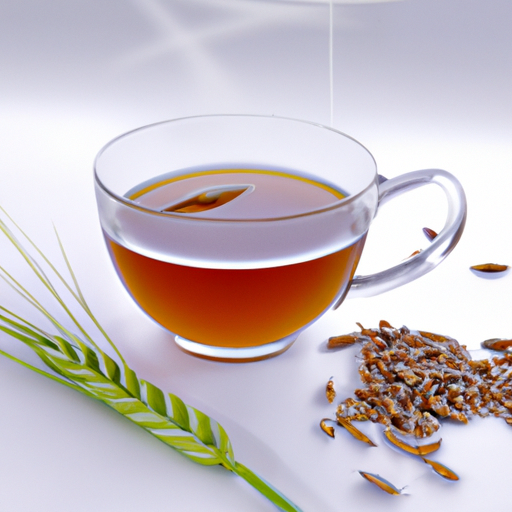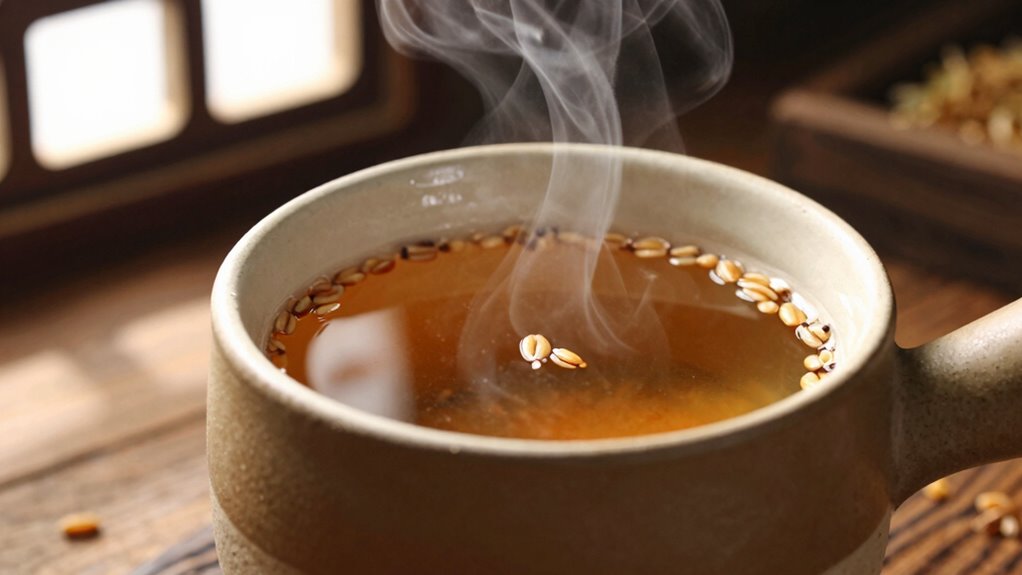

Barley tea has ancient roots, starting as simple, nourishing drinks made from roasted barley kernels boiled for warmth. It holds cultural significance in places like Korea and Japan, where it symbolizes hospitality and health. Over time, preparation methods evolved but kept the core roasting and boiling process. Today, it’s appreciated for its health benefits, caffeine-free nature, and connection to tradition. If you continue exploring, you’ll discover even more fascinating stories behind this timeless beverage.
Listen free for 30 days with Audible
Thousands of audiobooks and originals — cancel anytime.
As an affiliate, we earn on qualifying purchases.
Key Takeaways
- Barley tea originated from ancient brewing practices using roasted barley kernels boiled for warmth and nourishment.
- It holds cultural significance in East Asia, symbolizing hospitality and health in Korea and Japan.
- The preparation has evolved from simple boiling to modern methods, maintaining the core process of roasting and infusing.
- Modern research highlights its health benefits, such as being caffeine-free and promoting wellness.
- Barley tea’s cultural role extends to social rituals, traditional routines, and fostering community connections.
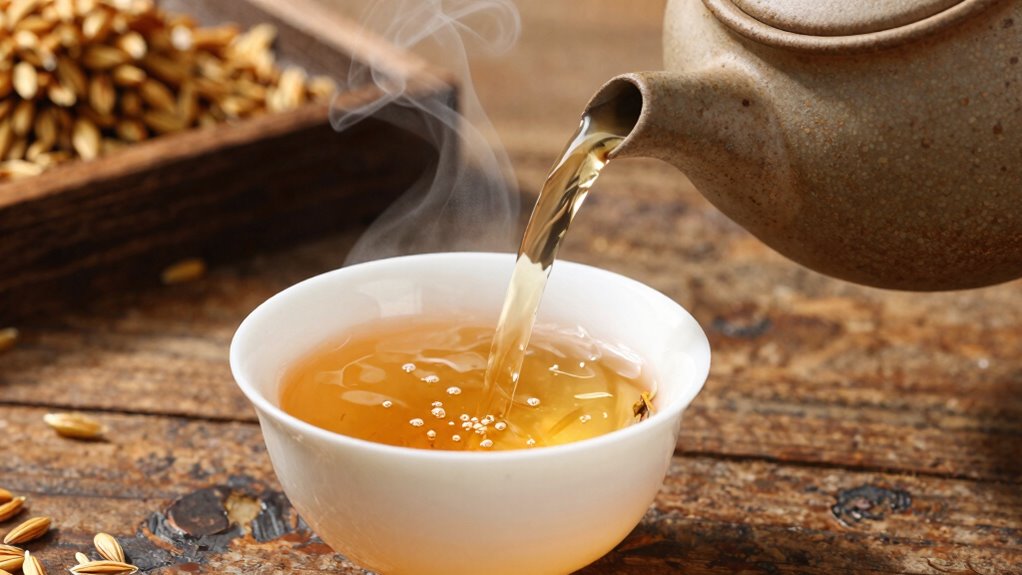
Have you ever wondered what makes barley tea a beloved beverage across so many cultures? Its popularity isn’t just about flavor; it’s rooted in a rich history that spans centuries. The story begins with ancient brewing practices where barley, one of the earliest grains cultivated by humans, was used to create simple, nourishing drinks. Back then, people discovered that roasting barley kernels and boiling them produced a warm, comforting beverage. This ancient brewing technique was practical, making use of readily available resources, and it gradually gained popularity in different regions. Over time, these early brews evolved, and their significance grew beyond mere sustenance.
Barley tea’s rich history stems from ancient brewing practices using roasted barley for comforting, nourishing drinks across many cultures.
Culturally, barley tea holds a deep significance that varies across regions. In East Asia, especially Korea and Japan, it’s more than just a daily drink. It symbolizes hospitality and health, often served to guests or during meals to aid digestion. In Korea, barley tea, called boricha, is a staple in households and is associated with traditional hospitality. Similarly, in Japan, mugicha—barley tea—is enjoyed year-round, especially during summer months. Its light, roasted flavor and caffeine-free nature make it a popular choice for all ages. In these cultures, barley tea isn’t just a beverage; it’s woven into social customs and everyday routines, embodying a sense of comfort and tradition. Additionally, its versatile preparation methods have allowed it to adapt to modern tastes and preferences.
The history of barley tea also reflects its enduring relevance. Its origins in ancient brewing show how early societies valued simple, natural remedies and nutritious drinks. Over centuries, the preparation methods became more refined, yet the core idea remained the same: roasting barley and boiling it to produce a flavorful infusion. Its widespread cultural significance is a testament to its versatility and the comfort it provides. Moreover, recent research highlights the health benefits associated with barley tea, further solidifying its place in contemporary wellness routines. Additionally, the sustainable cultivation of barley aligns with modern efforts to promote biodiversity and environmentally friendly practices. Whether served hot or cold, barley tea connects generations and nations, linking modern drinkers to ancient practices. Its role in rituals, meals, and social gatherings highlights how a humble beverage can carry profound cultural weight.
In essence, understanding the story behind barley tea reveals more than just its ingredients and taste; it uncovers a tapestry of history and cultural identity. From ancient brewing techniques to modern cups, barley tea continues to be a symbol of tradition, health, and community. You can appreciate it not only for its mellow flavor but also for the centuries of tradition it carries across the world.
As an affiliate, we earn on qualifying purchases.
Frequently Asked Questions
Is Barley Tea Suitable for Children?
Yes, barley tea can be suitable for children, but you should be cautious. It can promote children’s hydration and serve as a baby-friendly beverage when served mild and unsweetened. However, always consult your pediatrician before introducing new beverages. Keep in mind that some kids might be sensitive to certain ingredients or flavors in barley tea, so monitor for any adverse reactions. Properly prepared, it can be a healthy, invigorating option.
How Long Does Barley Tea Last Without Refrigeration?
Barley tea typically lasts about 24 to 48 hours without refrigeration if stored properly. Its shelf life depends on storage tips like keeping it in an airtight container and away from direct sunlight. To guarantee freshness, it’s best to consume it within a day or two. If you notice any off smells or changes in color, discard it. Proper storage helps maintain its flavor and safety longer.
Can Barley Tea Be Used for Cooking Recipes?
Yes, you can use barley tea for cooking recipes. Its cooking versatility allows you to incorporate it into soups, stews, or rice dishes to boost flavor and add a nutty, roasted undertone. You might also use brewed barley tea as a liquid base for braising or simmering, enhancing the dish’s overall flavor profile. Just remember to adjust seasonings accordingly, as the tea’s natural taste influences the final result.
Does Barley Tea Contain Caffeine or Stimulants?
Barley tea doesn’t contain caffeine, so you won’t experience stimulant effects from drinking it. Its caffeine content is naturally zero, making it a great choice if you’re avoiding stimulants or trying to reduce caffeine intake. You can enjoy barley tea any time of day without worrying about jitters or sleep disruption. Its calming, nutty flavor offers a soothing alternative to caffeinated beverages, providing hydration and relaxation without stimulant effects.
Are There Any Health Risks From Drinking Too Much Barley Tea?
Sure, drinking too much barley tea might seem harmless, but excess consumption could lead to health concerns like dehydration or digestive issues. Ironically, what’s often seen as a health booster can turn into a problem if you overdo it. Moderation is key—too much might cause unwanted side effects, so keep an eye on your intake to avoid unnecessary health risks. Enjoy it, but don’t overdo it.
Conclusion
Now that you know the intriguing history and surprising health benefits of barley tea, you might think you’ve uncovered everything. But there’s a secret twist in its story that could change how you see this humble drink forever. Keep your curiosity alive—what if the true origin of barley tea holds a mystery still waiting to be discovered? The next sip might just reveal a story even more astonishing than you ever imagined. Are you ready to find out?
Back to school Picks
back to school
As an affiliate, we earn on qualifying purchases.