
Modern tea culture is deeply shaped by industry trends focusing on sustainability and transparency. You’ll notice eco-friendly packaging, like biodegradable pouches and recyclable tins, making your choice more responsible. Sourcing techniques emphasize precision and environmental care, ensuring high-quality leaves that support local communities. Brands now highlight their practices on labels, helping you connect with the story behind your tea. If you keep exploring, you’ll discover how these innovations continue to enhance your tea experience and appreciation.
Listen free for 30 days with Audible
Thousands of audiobooks and originals — cancel anytime.
As an affiliate, we earn on qualifying purchases.
Key Takeaways
- Sustainable harvesting and eco-friendly packaging foster a responsible, environmentally conscious tea culture.
- Transparency in sourcing builds consumer trust and deepens appreciation for ethical practices.
- Innovations like biodegradable tea bags and recyclable containers make daily tea routines more sustainable.
- Industry focus on biodiversity and community support promotes a culture of ecological and social responsibility.
- Enhanced quality and storytelling encourage mindful consumption and cultural appreciation of tea traditions.
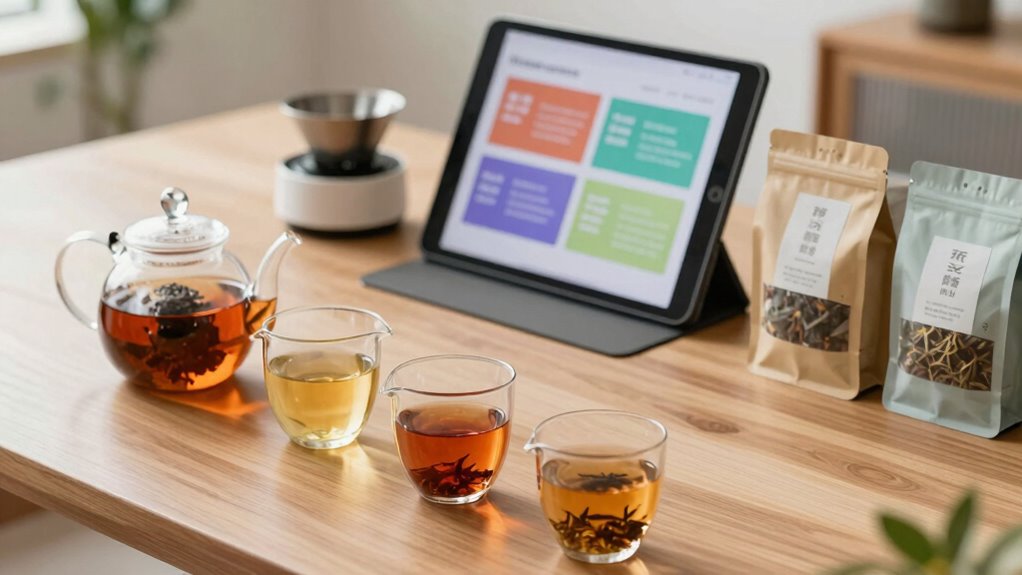
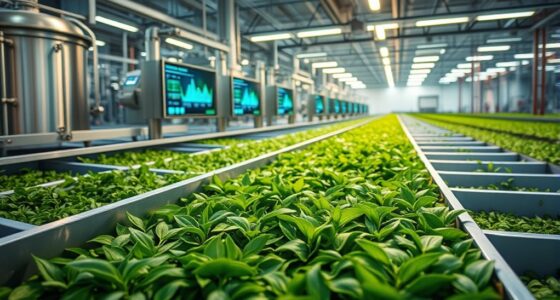
The tea industry is experiencing a dynamic shift as new trends and innovations reshape how consumers engage with their favorite beverage. One of the most noticeable changes is how tea is sourced and packaged, directly influencing modern tea culture. You’re likely to see an increased focus on tea harvesting techniques, which now emphasize precision and sustainability. Farmers are adopting methods that minimize environmental impact, such as hand-picking leaves at peak freshness or using machinery that reduces waste. These techniques not only guarantee high-quality tea but also support eco-friendly practices that resonate with conscious consumers like you. As a result, the story behind each cup becomes richer, emphasizing craftsmanship and respect for nature.
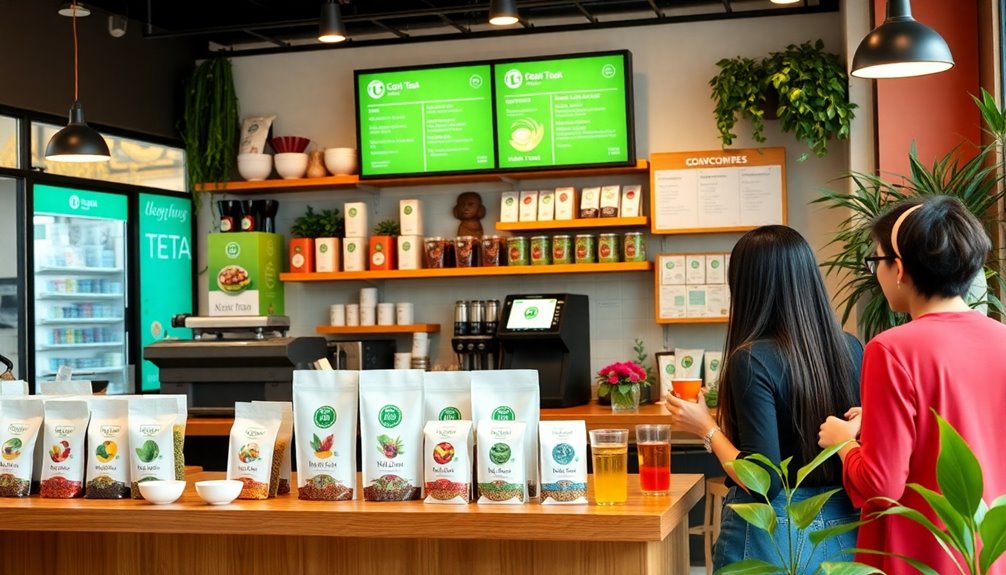
Alongside harvesting innovations, sustainable packaging advancements are transforming the way tea reaches your hands. Traditional tea packaging, often made from non-biodegradable materials, is giving way to eco-friendly alternatives. You’ll notice more brands adopting biodegradable pouches, recyclable tins, or compostable wrappers, all designed to reduce waste and pollution. This shift aligns with the broader movement toward environmental responsibility, encouraging you to make more sustainable choices without sacrificing quality. Packaging that preserves freshness while being mindful of the planet makes you feel good about your purchase, knowing you’re supporting brands committed to reducing their ecological footprint.
Eco-friendly tea packaging options help you enjoy quality while supporting sustainability and reducing environmental impact.
These trends are also influencing how tea is presented and consumed. Modern tea culture now emphasizes transparency about sourcing and packaging, giving you insights into where your tea comes from and how it’s made. Labels often feature details about sustainable practices and ethical harvesting, helping you connect with your tea on a deeper level. You’re encouraged to appreciate not just the flavor but also the story and values behind each product. This transparency fosters a sense of trust and loyalty, leading you to explore brands that prioritize environmental and social responsibility. Additionally, advancements in sustainable harvesting techniques are ensuring the longevity of tea cultivation for future generations. Incorporating innovative harvesting methods can further enhance the quality and sustainability of your favorite teas. Moreover, the adoption of eco-friendly packaging is making it easier for consumers to support sustainable initiatives effortlessly. These innovations are also helping to promote biodiversity preservation in tea-growing regions, which benefits ecosystems and local communities alike. As the industry continues to evolve, these innovations contribute to a more mindful and sustainable tea culture that benefits both producers and consumers alike.
Furthermore, innovations in tea harvesting and packaging are making it easier for you to enjoy high-quality tea in everyday life. For instance, ready-to-brew tea bags with biodegradable filters or loose-leaf teas in eco-friendly containers allow for convenience without compromising sustainability. These advancements democratize access to premium tea experiences, encouraging you to incorporate more mindful choices into your daily routine. As you become more aware of these industry shifts, your appreciation for the craftsmanship and sustainability behind your favorite beverage deepens, shaping a modern tea culture that values quality, responsibility, and innovation.

Aksuaple Eco-Fil Disposable Tea Filter Bags for Loose Tea, Wood Pulp Material, Biodegradable and Compostable, Unbleached Empty Tea Infuser Sachets with Drawstring, 100 Pack (3.2inch x 4.0inch)
- Eco-Friendly Material: Biodegradable wood pulp paper
- Odorless and Safe: No glue, UV sterilized, odorless
- Excellent Permeability: Allows perfect tea steeping
As an affiliate, we earn on qualifying purchases.
As an affiliate, we earn on qualifying purchases.
Frequently Asked Questions
How Do Global Climate Changes Affect Tea Cultivation?
Global climate changes directly impact tea cultivation by causing unpredictable weather patterns and temperature shifts. You need to focus on climate adaptation strategies to protect crops from droughts, floods, and pests. Enhancing crop resilience becomes essential as it helps tea plants withstand these stresses, ensuring sustainable production. By adopting innovative practices, you can maintain quality and yield, safeguarding the future of your tea farm amid changing climate conditions.
What Are the Ethical Considerations in Sustainable Tea Production?
You should prioritize ethical considerations like Fair Trade and Organic certification to guarantee sustainable tea production. Fair Trade guarantees fair wages and better working conditions for farmers, while Organic certification promotes environmentally friendly farming practices. By supporting these standards, you help reduce exploitation, protect ecosystems, and encourage transparency in the industry. Making informed choices benefits both producers and consumers, fostering a more ethical and sustainable tea culture.
How Does Tea Marketing Influence Consumer Preferences?
Tea marketing shapes your preferences through strategic tea branding and flavor innovation. When brands highlight unique storylines or sustainable practices, you’re more likely to develop an emotional connection. Innovative flavors catch your interest, encouraging you to try new varieties. As marketers emphasize quality and authenticity, your choices become more diverse. This influence guides your purchasing decisions, making tea not just a beverage but a curated experience tailored to your evolving tastes.
What Role Do Social Media Trends Play in Tea Culture?
Social media hype transforms your tea experience, making it feel like a global movement. Influencer promotion introduces you to trendy brews and rituals, shaping your preferences and habits. As these trends spread like wildfire, they redefine tea culture, making it more vibrant and accessible. You find yourself enthusiastic to try new blends and partake in online tea challenges, embracing a community that celebrates tea in innovative, exciting ways every day.
How Are Traditional Tea Ceremonies Preserved Amid Modernization?
You preserve traditional tea ceremonies by prioritizing cultural preservation and maintaining ritual authenticity. You honor age-old practices, ensuring each step reflects its historical significance. Modern adaptations may incorporate new elements, but you stay true to the core rituals, blending innovation with tradition. This balance allows you to keep the ceremony meaningful while embracing contemporary influences, ensuring the cultural richness of tea remains alive and respected amid modernization.
Conclusion
As you sip your tea, remember it’s more than just a beverage—it’s a symbol of tradition and innovation blending seamlessly. The industry’s trends and innovations act as the gentle breeze guiding this ancient ritual into the future. Like leaves dancing on water, modern influences ripple through tea culture, enriching your experience. Embrace these changes, and let each cup be a reflection of progress and heritage, connecting you to a timeless world brewed anew.
Back to school Picks
back to school
As an affiliate, we earn on qualifying purchases.