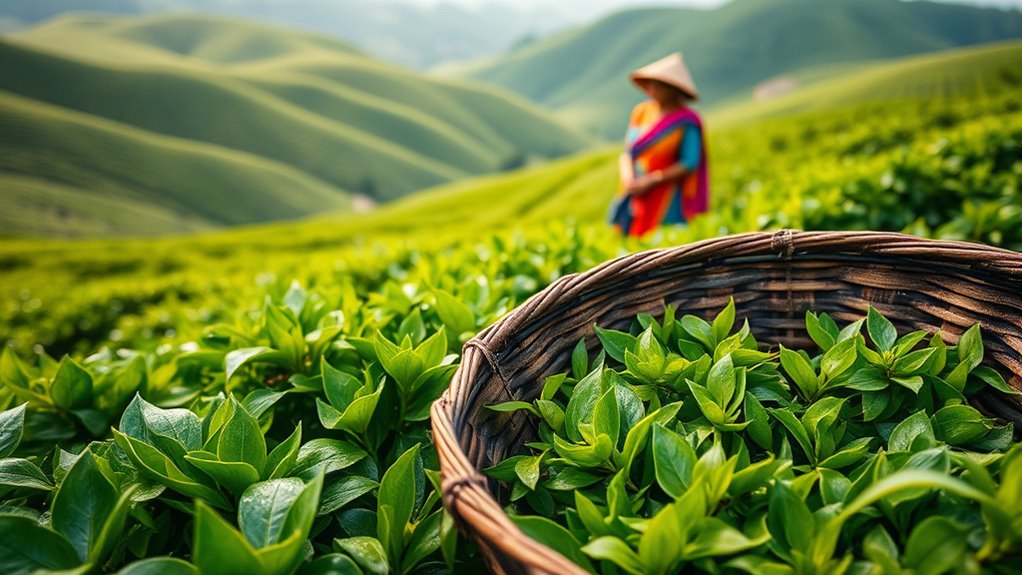
Many myths suggest all Sri Lankan tea is processed the same, but in reality, each variety undergoes a precise, skilled process like withering, rolling, and oxidation to create distinct flavors. Proper cultivation, careful harvesting, and expert craftsmanship ensure high-quality black, green, or white teas. The true secret lies in the natural conditions and skilled human input behind every cup. If you want to uncover the full story behind Sri Lankan tea’s exceptional reputation, keep exploring these fascinating details.
Open a free Amazon Business account
Business pricing, bulk buying and tax-exempt orders.
As an affiliate, we earn on qualifying purchases.
Key Takeaways
- Not all tea processing is the same; Sri Lankan tea involves specific methods for black, green, and white teas.
- The quality of Sri Lankan tea depends on careful cultivation, harvesting, and precise processing techniques.
- Oxidation during processing is essential for black tea, requiring expert control to achieve unique flavors.
- Proper harvesting techniques are vital for ensuring high-quality leaves and consistent flavor profiles.
- Sri Lankan tea’s rich heritage stems from natural conditions combined with skilled human craftsmanship.
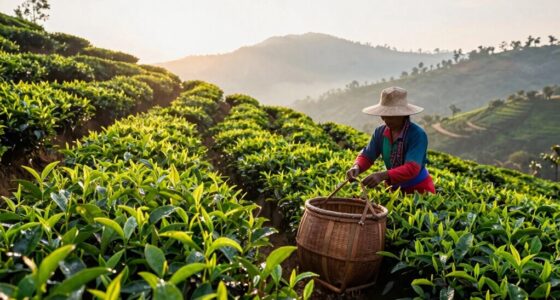
Tea is one of the most popular beverages worldwide, but many myths and misconceptions surround it. When it comes to Sri Lankan tea, understanding the truth behind how it’s made can help you appreciate its unique qualities even more. The journey of Sri Lankan tea begins with tea cultivation, a process that’s often misunderstood. Contrary to popular belief, tea cultivation isn’t just about planting tea bushes randomly; it involves careful planning, selecting the right altitude, climate, and soil conditions to produce the best leaves. Sri Lanka’s diverse climate zones—from the cooler highlands to the warmer lowlands—allow for a wide range of teas, each with distinct flavors and characteristics. You might think that tea is simply grown in one way or in one type of soil, but in reality, the country’s varying terrain influences the taste and quality of the final product. The tea plants are tended to meticulously, with farmers paying close attention to the right pruning, plucking, and fertilization techniques to guarantee high-quality leaves.
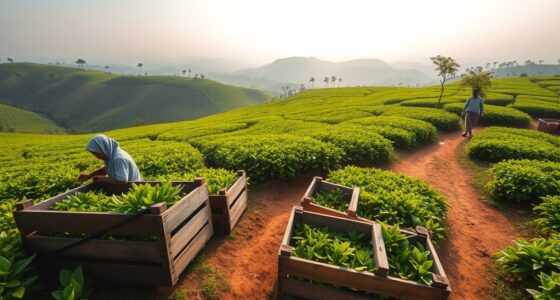
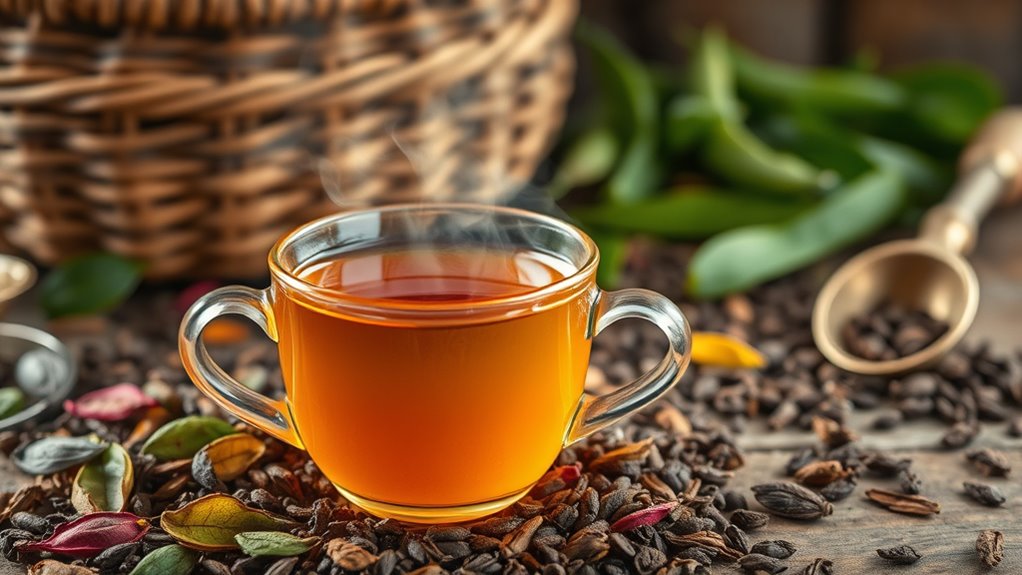
Once the tea leaves are harvested, the next step is tea processing, which is often shrouded in myths. Many believe that all tea is processed the same way, but Sri Lankan tea undergoes a precise and delicate process that determines whether it becomes black, green, or white tea. The processing involves several stages, including withering, rolling, oxidation, and drying, each of which affects the flavor profile and aroma of the final brew. For black tea, the oxidation stage is essential; it’s carefully controlled to develop the rich, robust qualities Sri Lankan teas are known for. Many assume that processing is a quick or simple task, but it’s a highly skilled art that requires expert timing and control. The freshness of the leaves, the environment during processing, and the expertise of the workers all play significant roles. In fact, the unique flavors of Sri Lankan tea are a direct result of these precise processing methods, which have been refined over generations. Additionally, harvesting techniques play a crucial role in ensuring the quality and flavor of the final product.
Understanding these aspects dispels common misconceptions. Tea cultivation isn’t just about planting and growing; it’s about creating the perfect environment for high-quality leaves. Similarly, tea processing isn’t a one-size-fits-all approach but a nuanced art that shapes the character of Sri Lankan tea. By recognizing the effort and expertise involved, you can truly appreciate why Sri Lankan tea stands out on the global stage. It’s a product of nature’s best conditions combined with human skill, making every cup a symbol of the rich heritage behind it.
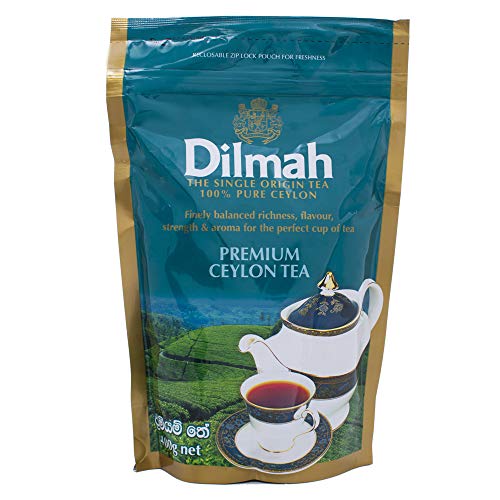
Dilmah Premium Ceylon Black Tea – 100% Pure Single Origin Loose Tea with Finely Balanced Richness & Aroma – Freshness Sealed in Resealable Zip Lock Pouch, 400g (14.1 oz)
- Single Origin Ceylon Tea: Authentic Sri Lankan black tea
- Balanced Flavor Profile: Rich, robust, and aromatic
- Freshness Sealed Packaging: Resealable zip lock pouch for freshness
As an affiliate, we earn on qualifying purchases.
As an affiliate, we earn on qualifying purchases.
Frequently Asked Questions
How Does Sri Lankan Tea Compare to Other Global Teas?
You’ll find Sri Lankan tea stands out globally due to its unique flavor profile, which combines bright, brisk, and full-bodied notes. Its production methods emphasize traditional plucking and processing techniques, ensuring high quality. Compared to other teas, Sri Lankan varieties often have a more robust and vibrant taste, making them popular worldwide. You’ll notice the difference especially when tasting a fresh cup, experiencing the rich heritage behind each brew.
Are There Specific Health Benefits Linked to Sri Lankan Tea?
You gain antioxidant properties and support cardiovascular health when you choose Sri Lankan tea. These teas are rich in antioxidants that fight free radicals, boost your immune system, and enhance your overall well-being. Drinking Sri Lankan tea can help lower cholesterol levels, improve circulation, and reduce the risk of heart disease. By enjoying this tea, you’re not just indulging in a flavorful beverage — you’re investing in your health and vigor.
What Are the Traditional Harvesting Techniques Used in Sri Lanka?
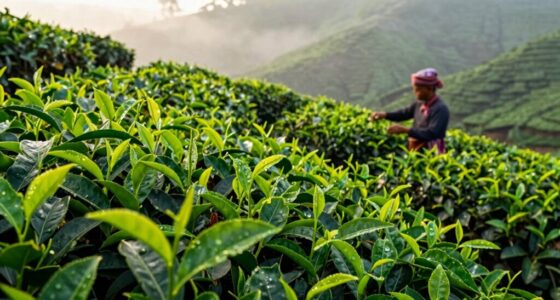
In Sri Lanka, you’ll find traditional harvesting techniques like tea plucking and hand pruning. During tea plucking, you carefully pick the tender leaves and buds by hand, ensuring quality. Hand pruning involves trimming the tea bushes to promote healthy growth. These methods are labor-intensive but crucial for maintaining the high standards of Sri Lankan tea. Your hands play a fundamental role in preserving the authenticity and flavor of each harvest.
How Has Sri Lankan Tea Evolved Over the Past Century?
Over the past century, Sri Lankan tea has transformed dramatically. You’ve seen it evolve from traditional tea plantations into modern operations, incorporating advanced processing methods that enhance flavor and quality. Innovations like mechanized plucking and new fermentation techniques have revolutionized production. This evolution keeps Sri Lankan tea at the forefront of the global market, ensuring that every cup you enjoy is the result of centuries of progress and dedication.
Can Sri Lankan Tea Be Sustainably Sourced and Eco-Friendly?
Yes, Sri Lankan tea can be sustainably sourced and eco-friendly. You can look for options with organic certification, ensuring the tea is grown without harmful chemicals. Additionally, choose brands that use eco-friendly packaging to reduce environmental impact. By supporting these practices, you help promote sustainable farming methods and protect Sri Lanka’s natural beauty, making your tea experience both enjoyable and environmentally responsible.
Conclusion
Now that you know the truth behind Sri Lankan tea, you’re practically a tea expert! Forget what you’ve heard—this isn’t just a drink, it’s a legendary elixir that fuels kings, inspires poets, and powers entire nations. With every sip, you’re part of a rich history so grand, it could fill a thousand stories. So go ahead, sip boldly and share these truths—because you’re now officially a tea myth-buster!
Baby shower & registry season Picks
baby registry must-haves
As an affiliate, we earn on qualifying purchases.