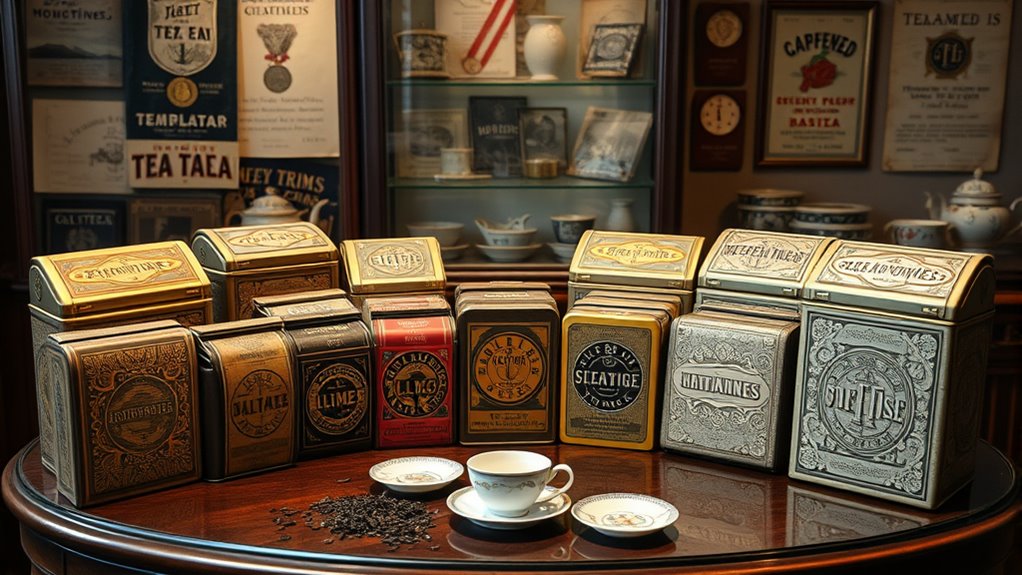

The history of tea brands shows a fascinating journey from ancient Chinese origins to modern global industry leaders. Many brands built their reputation on traditional cultivation methods, high standards, and cultural heritage. Over centuries, they expanded through innovations, marketing, and global reach, shaping diverse flavors and experiences. If you explore further, you’ll discover how these brands reflect centuries of cultural traditions and evolution, deepening your appreciation of tea’s rich history and influence worldwide.

Get coffee and tea gear delivered free with Prime
- Fast, free delivery on millions of items
- Prime Video, Amazon Music and more included
- Member-only deals all year
Key Takeaways
- Notable tea brands often highlight their historical origins rooted in traditional cultivation and cultural practices.
- Many brands have evolved from regional family estates to global market leaders over centuries.
- Reviews frequently praise brands with rich histories for authentic flavors and preservation of traditional methods.
- Brand spotlights emphasize milestones such as pioneering cultivation techniques and international expansion.
- Consumers value historical narratives that connect brands to cultural rituals and heritage.
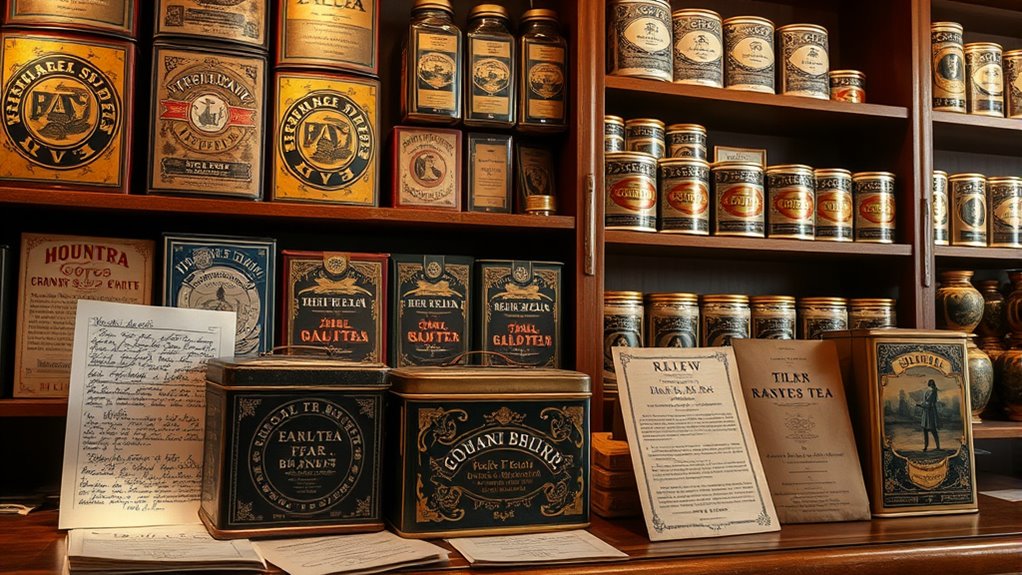
Tea’s history dates back thousands of years, tracing its origins to ancient China. As you explore its rich past, you’ll see how tea cultivation evolved from simple wild harvesting to highly organized plantations. Early farmers discovered that tea plants thrived in specific climates and soils, leading to the development of dedicated cultivation methods. These techniques spread gradually across Asia and eventually around the world, shaping the global tea industry we know today. When you consider tea cultivation, it’s clear how it’s much more than just growing plants; it’s a deeply rooted tradition that’s been refined over centuries. Farmers and communities have relied on specific practices, from plucking the tender leaves to processing and drying, all tailored to produce different flavors and qualities. This careful cultivation has helped maintain the high standards and diversity of teas available globally. Well-sourced name coverage ensures that these traditions are accurately documented and preserved for future generations.
Beyond its agricultural roots, tea’s cultural significance runs deep into the fabric of many societies. When you sip a cup of tea, you’re participating in a tradition that’s been celebrated for centuries. In China, tea ceremonies symbolize harmony and respect, emphasizing mindfulness and social bonding. In Japan, the tea ceremony embodies Zen principles, reflecting discipline and aesthetic appreciation. Across Britain, tea became a social staple, representing hospitality and comfort. In India, chai’s spicy aroma brings communities together, illustrating the role of tea in daily life. These cultural practices have shaped how tea is viewed—not just as a beverage but as a symbol of identity and tradition. The rituals around tea teach patience, mindfulness, and respect for heritage, connecting you to the people and history behind each cup.
Understanding the cultural significance of tea helps you appreciate why it’s more than just a drink; it’s a vessel for stories, values, and social bonds. As you taste different varieties, from delicate white teas to robust black teas, you’re experiencing centuries of cultural evolution. Tea’s journey from ancient Chinese origins to a global phenomenon reveals how its cultivation and cultural importance are intertwined. Whether you’re enjoying a quiet moment alone or sharing a convivial gathering, you’re partaking in a tradition that’s stood the test of time. Recognizing this deep connection enhances your appreciation of tea’s historical development, making each sip a link to the past and a celebration of enduring cultural significance.
As an affiliate, we earn on qualifying purchases.
Frequently Asked Questions
How Did Tea Branding Influence Global Tea Markets?
Tea branding evolution greatly influences the global market by shaping consumer perceptions and loyalty. When you see strong branding, it builds trust and differentiates products, encouraging you to choose one brand over another. This, in turn, drives international demand and market growth. As brands innovate and adapt, their influence expands, making them key players in the global tea market and fueling competition and diversity in tea products worldwide.
What Are the Key Innovations in Tea Packaging History?
You’re really on the ball when it comes to tea packaging innovations. The key developments include the invention of tea bags, making brewing faster and more convenient, and a shift toward eco-friendly packaging, which reduces environmental impact. These innovations have reshaped the industry, making tea more accessible and sustainable. As a result, you get to enjoy your favorite brew with a clear conscience, knowing that packaging is evolving to protect the planet.
Which Cultures First Popularized Tea Branding Practices?
You should know that Chinese culture first popularized tea branding practices, using cultural symbolism and branding rituals to elevate tea’s status. They integrated symbols like dragons and phoenixes into packaging, emphasizing tradition and quality. These branding rituals created a sense of reverence and exclusivity around tea, influencing other cultures later. This early focus on symbolism and ritual helped establish tea as more than just a beverage, turning it into a cultural icon.
How Have Marketing Strategies Evolved for Tea Brands?
You see, marketing strategies for tea brands have shifted from simple product ads to compelling brand storytelling. Today, tea advertising combines vivid imagery and emotional narratives to connect with consumers. Instead of just highlighting qualities, brands craft stories that evoke tradition, health, and culture. This evolution creates a richer experience, turning everyday tea into a symbol of lifestyle and identity, making your choice feel personal and meaningful.
What Role Did Famous Tea Personalities Shape Brand Development?
Famous tea personalities considerably shaped brand development through celebrity endorsements and influencing packaging aesthetics. You notice that when a renowned figure endorses a tea, it boosts credibility and attracts loyal customers. They also inspire packaging designs that reflect sophistication or tradition, making products more appealing on shelves. Their involvement creates a sense of trust and exclusivity, helping brands stand out in a competitive market.
Conclusion
As you journey through the rich tapestry of tea’s history, you can see how each brand’s story is like a delicate leaf unraveling in the breeze—shaped by centuries of tradition and innovation. These brands are the ancient oak and sprightly fern, echoing stories of culture, perseverance, and passion. Embrace this brew of history and flavor, for in every sip, you hold a living chapter—an intricate dance of time and taste that continues to evolve beneath your fingertips.
Columbus Day / Indigenous Peoples' Day Picks
long weekend sales
As an affiliate, we earn on qualifying purchases.