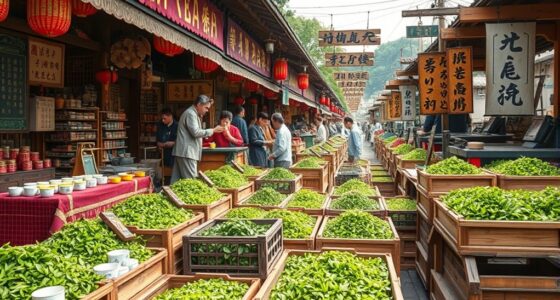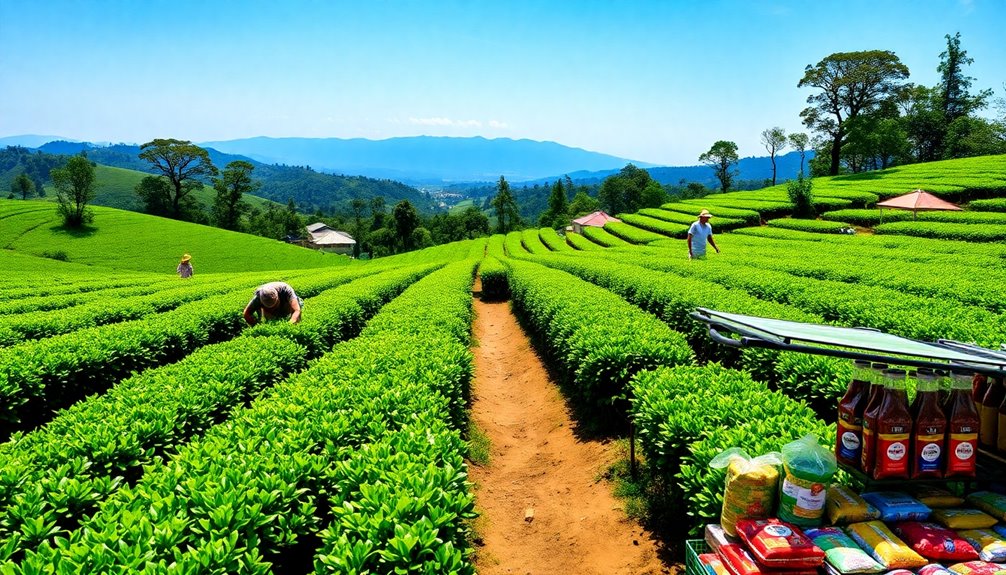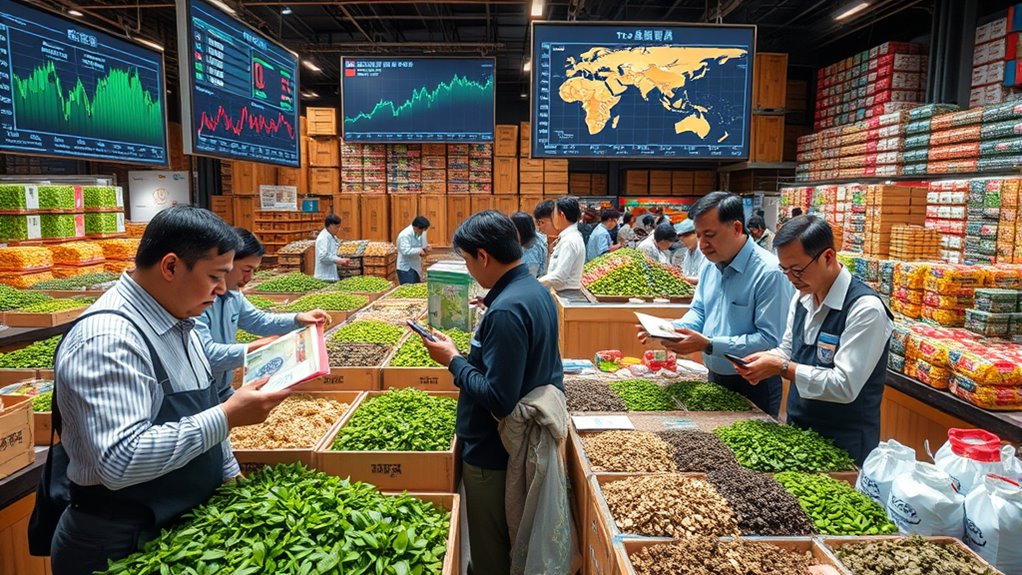

The global tea trade is currently influenced by changing export policies, which impact supply, pricing, and market access. Shifts in demand, weather conditions, and economic fluctuations also play key roles, affecting both producers and consumers. Currency swings and trade agreements shape costs and availability across regions. These factors create a complex market dynamic that’s always evolving. To understand how these elements intertwine and influence the future of tea economics, keep exploring this ongoing story.
Key Takeaways
- Global tea prices are influenced by supply-demand dynamics, quality standards, weather conditions, and currency fluctuations.
- Export policies, including tariffs and trade agreements, significantly impact international tea trade and market accessibility.
- Economic conditions and trade negotiations shape supply chains, affecting prices for farmers, producers, and consumers.
- Fluctuations in export policies and global economic factors cause price volatility and influence market stability.
- Future tea trade trends depend on ongoing policy shifts, market access, and economic developments worldwide.

Have you ever wondered how tea has become a pivotal part of global trade and economies? The journey of tea from lush plantations to your favorite cup involves complex economic factors, especially in how tea pricing influences international markets. Tea pricing is affected by numerous variables, including supply and demand, quality standards, and even weather conditions that impact harvests. Producers and traders constantly monitor these shifts to stay competitive, as fluctuations can considerably alter profit margins. Governments and industry stakeholders play an essential role in setting export policies that shape how tea moves across borders. These policies determine tariffs, quotas, and trade agreements, which directly impact the cost and accessibility of tea in different regions.
Tea prices are influenced by supply, demand, weather, and export policies shaping global markets.
If you’re involved in the tea trade or simply a consumer, understanding export policies helps you grasp why certain teas are more expensive or harder to obtain in some markets. Countries with protective export policies might impose tariffs or restrictions to safeguard local producers, which can inflate prices globally. Conversely, open trade agreements promote easier access and more stable pricing, encouraging larger exports and imports. For many tea-producing nations, export policies are a strategic tool to boost their economies by expanding international markets. They often negotiate trade deals that favor their industries, influencing global tea prices and supply chains.
The delicate balance between maintaining fair prices for farmers and keeping tea affordable for consumers is at the heart of these policies. When export policies favor large-scale exports, prices can drop, impacting smallholder farmers’ livelihoods. On the other hand, restrictive policies might limit supply and inflate prices, making premium teas more exclusive. The stability of tea pricing is also affected by global economic conditions and currency fluctuations, which are often intertwined with the export policies of key tea-exporting countries. Additionally, resources and tools such as trade data analysis and market forecasts are essential for industry stakeholders to make informed decisions.
Understanding the relationship between tea pricing and export policies can help you see the bigger picture of how international trade shapes what ends up in your teacup. These policies and pricing dynamics influence everything from local farmers to multinational corporations, creating a web of economic interactions that sustain the global tea industry. Whether you’re a casual drinker or a trader, recognizing these factors helps you appreciate the complex economic world behind a simple sip of tea. As countries navigate their trade strategies, the ongoing shifts in export policies and pricing will continue to mold the future of the tea trade, impacting economies and consumers worldwide.

Tiesta Tea – Top 8 Favorites Sampler Set, Loose Leaf, Up to 80 Cups, High to No Caffeine, Hot & Iced, Tea Variety Pack with Green, Herbal, & Black, 8 Sample Pouches
DIVERSE TEA SELECTION: Dive into Tiesta Tea’s premium Loose Leaf Tea Set, featuring our most popular handcrafted blends….
As an affiliate, we earn on qualifying purchases.
As an affiliate, we earn on qualifying purchases.
Frequently Asked Questions
How Does Climate Change Affect Global Tea Production?
Climate change impacts global tea production by causing unpredictable weather patterns, which threaten crop resilience. You need to focus on climate adaptation strategies, like selecting resilient tea varieties and adjusting planting times. These measures help guarantee your crops survive extreme conditions and maintain quality. By embracing climate adaptation, you can better protect your tea yields against climate change, safeguarding your livelihood and supporting sustainable production for the future.
What Are the Main Barriers to Entry for New Tea Exporters?
You face significant barriers to entry as a new tea exporter. Market entry is tough because established players dominate, making it hard to gain footholds. Certification hurdles, like organic and fair-trade labels, add costs and complexity—only 10% of small producers achieve these standards. These obstacles can delay or prevent new entrants, so understanding and managing certification processes is vital to successfully break into the global tea market.
How Do Tariffs Impact International Tea Trade Flows?
Tariff policies substantially impact your international tea trade flows by increasing costs and reducing competitiveness in foreign markets. Higher tariffs can delay or deter exports, making it harder for you to access new markets. During trade negotiations, countries may adjust tariffs, either easing restrictions or imposing new ones, which directly influences your ability to move tea efficiently across borders. Staying informed on these policies helps you strategize and adapt effectively.
What Is the Role of Fair Trade Certification in the Tea Industry?
Imagine a gentle breeze guiding you through lush tea gardens—fair trade certification plays a crucial role by ensuring ethical sourcing. It offers a promise that farmers are fairly compensated and work under safe conditions. Certification standards act as a trusted compass, helping you choose teas that support sustainability and social responsibility. Your choices foster positive change, turning each sip into a mindful act that uplifts communities and preserves the environment.
How Does Consumer Demand Influence Tea Market Prices?
You influence tea market prices through your consumer preferences, as demand for high-quality or ethically sourced teas can drive prices up. When you prioritize specialty or fair trade teas, producers often adopt premium pricing strategies to meet your expectations. Your choices encourage suppliers to focus on quality and sustainability, which can elevate prices overall. So, your demand not only shapes what’s available but also directly impacts tea pricing strategies in the market.

SAIOOL Loose Leaf Tea Storage Canister Set, 4 Pieces 16 OZ Glass Tea Containers with Wooden Lids and Spoons for Loose Tea, Coffee, Sugar, Oatmeal, Herbs (Tea Canisters)
Loose Leaf Tea Storage: Our tea storage jars are made of high borosilicate glass, which is heat-resistant, durable,…
As an affiliate, we earn on qualifying purchases.
As an affiliate, we earn on qualifying purchases.
Conclusion
You see the tea trade shaping economies, influencing communities, and connecting cultures. You see growth fueling innovation, markets expanding globally, and traditions blending with modern demands. You feel the ongoing dance of supply and demand, prices and policies, trade routes and tariffs. You understand that the tea trade’s future depends on sustainability, adaptation, and resilience. In this complex web, your awareness grows, your perspective widens, and your appreciation for this timeless beverage deepens.
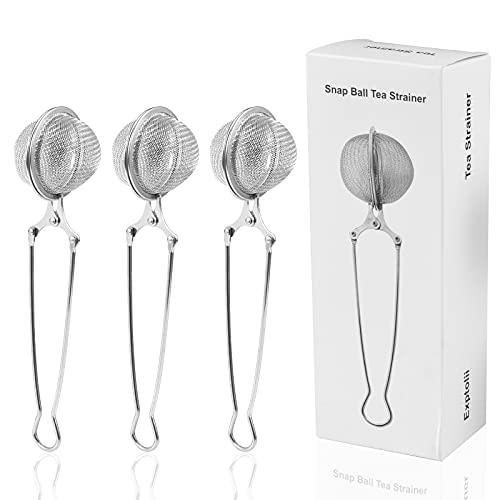
Snap Ball Tea Strainer, Exptolii 3 Pack Stainless Steel Tea Infuser Filter with Handle for Loose Leaf Tea, Spices, Seasonings
【Premium Snap Ball Tea Stainer】 – The tea strainer is made of high quality stainless steel, which is…
As an affiliate, we earn on qualifying purchases.
As an affiliate, we earn on qualifying purchases.

FGO Organic Green Tea, 100 Count Eco-Conscious Tea Bags, Caffeinated, Resealable Pouch, Packaging May Vary (Pack of 1)
ORGANIC GREEN TEA – The tea is sourced from China, then blended, filled into tea bags and packed…
As an affiliate, we earn on qualifying purchases.
As an affiliate, we earn on qualifying purchases.