TL;DR

Get coffee and tea gear delivered free with Prime
- Fast, free delivery on millions of items
- Prime Video, Amazon Music and more included
- Member-only deals all year
Good Housekeeping has published six breakfast ideas for people avoiding eggs, including overnight oats, granola with yogurt, stuffed poblanos, a loaded sweet potato, chia and a smoothie. The source lists protein amounts for five dishes, ranging from 21 to 25 grams per serving; it does not give a figure for the chia recipe.
Good Housekeeping has published six breakfast ideas for people avoiding eggs, offering alternatives from overnight oats and yogurt bowls to stuffed peppers and a smoothie. The source gives protein figures for five options, ranging from 21 to 25 grams per serving; it describes the chia breakfast as customizable but provides no protein total for it.
The list includes strawberries-and-cream overnight oats, which provide a reported 24 grams of protein per serving. The recipe uses protein oats and a blended strawberry-and-cottage-cheese topping. Good Housekeeping says the protein oats it recommends have 60% more protein by weight than regular rolled oats, though that comparison applies to the product described, not necessarily every protein-oat brand.
A second option is almond-buckwheat granola with yogurt and berries, listed at 21 grams per serving. The granola uses toasted buckwheat groats and maple syrup, and the report suggests serving it over yogurt. The savory option, black bean-stuffed poblanos, is listed at 25 grams per serving; its ingredients include black beans, queso and pico de gallo.
The remaining ideas are a baked sweet potato topped with Greek yogurt, almond butter and pepita granola, reported at 21 grams per serving; chilled overnight chia; and the Razzle Dazzle smoothie, also listed at 21 grams. For chia, the article recommends stirring in protein powder before chilling and adding fruit or nuts on top. It says the smoothie comes in four flavors, including green and mango options. The source does not provide a protein figure for the chia recipe.
Protein Options Beyond Eggs
For readers who do not eat eggs or want a change from a familiar breakfast, the suggestions show several ways to combine plant-based ingredients and dairy for a substantial protein serving. Beans, buckwheat, oats, chia, yogurt, cottage cheese, nuts and seeds feature across the six ideas, so the list includes both savory and sweet choices.
The reported totals can help readers compare the recipes, but they are figures supplied by the source and apply to its stated serving sizes and ingredients. Actual protein content can vary with brands, portions and substitutions. People with dietary restrictions should also check labels and recipe ingredients: several options contain dairy, nuts or other potential allergens, and the recipes are not all suitable for every eating plan.
Products Worth Considering

Instant Pot InstantChill Ice Cream Maker with Rolled Ice Cream Cold Plate, 2-Pint
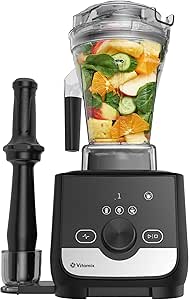
Vitamix Ascent X3 Professional-Grade Blender, 3 Programs, Shadow Black

Le Creuset Enameled Cast Iron Round Dutch Oven, 5.5 Qt, Flame
As an affiliate, we earn on qualifying purchases.
How the Six Meals Are Built
The recipes rely on different combinations rather than a single egg substitute. The overnight oats use protein oats and cottage cheese; the granola is paired with yogurt; and the stuffed poblanos draw protein from black beans and queso. The sweet potato pairs Greek yogurt with almond butter and granola, while the chia recipe can be adjusted with protein powder. The smoothie is presented as a quick option with several flavor variations.
Good Housekeeping’s report is a set of recipe recommendations, not a comparative nutrition study. The supplied material does not describe how the protein amounts were calculated or provide full nutrition panels, serving weights or preparation instructions. Its figures should be read as recipe-specific estimates reported by the publication, rather than a guarantee of the protein in every version prepared at home.
““Protein per serving: 24 grams””
— Good Housekeeping
Nutrition Details Not Supplied
The supplied report does not state the protein amount for the chia recipe, nor does it include full nutrition information for all six dishes. It also does not specify the publication date, provide detailed recipe methods in the material supplied here, or explain the serving sizes and calculation method behind the protein totals.
Protein amounts may change when cooks use different products, adjust portions or substitute ingredients. The source’s description of a 60% protein difference refers to the protein oats it recommends compared with regular rolled oats by weight; it should not be generalized to every product. Readers with allergies should consult ingredient labels and the complete recipes before preparing a dish.
Check Recipes Before Cooking
Readers can use the six suggestions as starting points, then consult the linked recipes for ingredient quantities, preparation steps and any additional nutrition information. Those details are needed to verify serving sizes and make substitutions while keeping the stated protein estimates relevant.
For the chia option, the source specifically suggests adding protein powder before refrigeration, but it does not give a total for the finished serving. Anyone tracking protein closely will need to calculate the amount using the specific ingredients and portions they prepare.
Key Questions
Which of the six breakfasts has the highest stated protein amount?
Black bean-stuffed poblanos are listed at 25 grams of protein per serving, the highest figure among the five recipes for which the source gives a total.
How much protein is in the overnight oats?
Good Housekeeping lists 24 grams per serving for its strawberries-and-cream overnight oats, made with protein oats and a strawberry-cottage-cheese topping.
How much protein does the overnight chia recipe provide?
The supplied report does not state a protein total for the chia recipe. It suggests adding protein powder, but the final amount depends on the powder, portions and other ingredients used.
Are all six breakfasts dairy-free?
No. Several suggestions include dairy, including cottage cheese, yogurt or queso. Readers avoiding dairy should check the full recipes and product labels before choosing substitutions.
Are the listed protein figures guaranteed for every serving?
No. They are amounts reported by Good Housekeeping for its recipes. Different brands, ingredient choices and serving sizes can change the protein content.
Source: goodhousekeeping.com