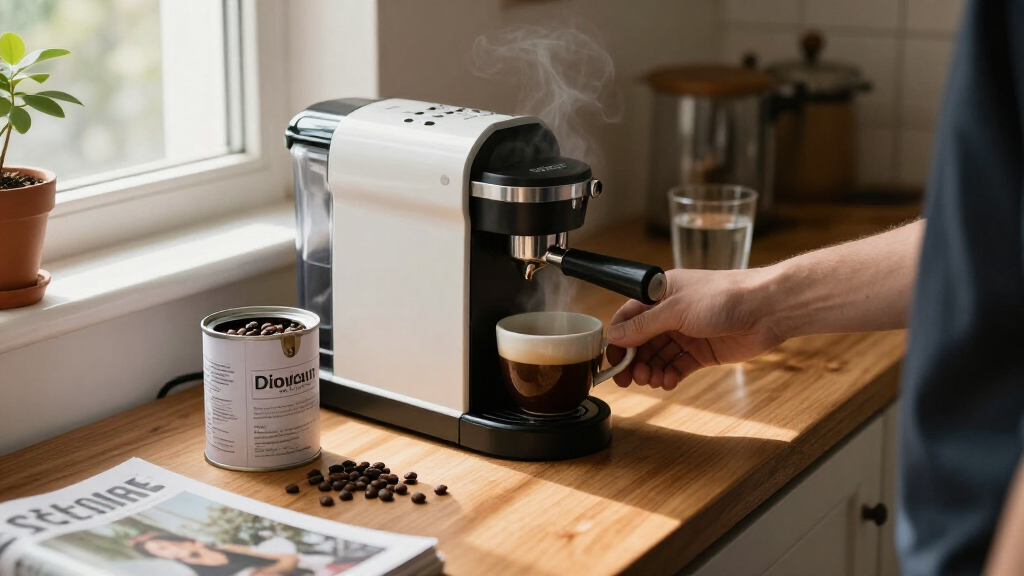

Single serve espresso machines split into two camps: pod-based brewers that trade freshness for speed and consistency, and ground-coffee semi-automatics that demand more skill but deliver fuller flavor and lower cost per cup. My top pick overall is the Ninja CFN601, because it handles both Nespresso capsules and broader coffee duties without taking over the counter. The CASABREWS CM7036E stands out as the best pure capsule value, while the Breville Nespresso Essenza Mini wins on footprint. The main tradeoffs you’ll face are pod lock-in versus fresh grounds, milk texturing quality, and how much counter space you’re willing to surrender. Keep reading for the full breakdown of all 14 machines.

Get coffee and tea gear delivered free with Prime
- Fast, free delivery on millions of items
- Prime Video, Amazon Music and more included
- Member-only deals all year
Complete the kit


Key Takeaways
- Dual-system machines like the Ninja CFN601 rank highest because they hedge the pod-versus-grounds decision instead of forcing it — a pattern no other pick in this lineup matches.
- The four 20-bar budget machines (CASABREWS CM5418, XIXUBX, atatix, and the generic Stainless Steel model) are nearly interchangeable on paper; steam wand quality and build materials are what actually separate them.
- Nespresso compatibility comes in two flavors — Original pods (CASABREWS CM7036E, CHULUX) and Vertuo barcode-reading pods (both Pop+ models) — and they are not cross-compatible, which is the single most expensive mistake a buyer can make here.
- Compactness has a real cost: the Essenza Mini and Lavazza Classy Mini give up milk frothing entirely, so they only make sense if you drink straight shots or own a separate frother.
- The 3.5-bar KEENSTAR sits at the bottom of the rankings because low pressure machines steam rather than extract — fine for strong coffee, but not true espresso regardless of marketing.
| CASABREWS CM5418 Compact Espresso Machine with Milk Frothing Wand |  | Best for Learning the Craft | Type: Semi-automatic espresso machine | Pump pressure: 20 bar | Power: 1350 W | VIEW LATEST PRICE | See Our Full Breakdown |
| CASABREWS 3700 Essential Stainless Steel Espresso Machine with Steam Wand |  | Best Value Semi-Automatic | Machine type: Semi-automatic espresso machine | Pump pressure: 20 bar | Wattage: 1350 W | VIEW LATEST PRICE | See Our Full Breakdown |
| Arecovas Semi-Automatic Espresso Machine with Touchscreen and Milk Frother |  | Best Overall Semi-Automatic | Operation mode: Semi-automatic | Pressure: 20 bar | Power: 1300 W | VIEW LATEST PRICE | See Our Full Breakdown |
| CASABREWS CM7036E Espresso Machine for Nespresso Original Pods |  | Best Compact Pod Machine | Compatibility: Nespresso Original pods | Pump pressure: 20 bar | Brew sizes: Ristretto 0.9 oz, Espresso 1.2 oz, Lungo 3.9 oz, Americano 5.3 oz | VIEW LATEST PRICE | See Our Full Breakdown |
| Ninja Espresso & Coffee Maker, Nespresso Capsule Compatible, Black, CFN601 |  | Best Two-in-One Flexibility | Pressure system: 19 bar | Capsule brew styles: Espresso 1.35 oz, Lungo 3.75 oz, Over Ice 1 oz | Ground brew styles: Classic, Rich, Over Ice | VIEW LATEST PRICE | See Our Full Breakdown |
| XIXUBX Espresso Machine with Milk Frother, Silver |  | Best Accessory Bundle | Pressure: 20 bar | Water tank capacity: 42 oz | Steam wand: 360° rotating, detachable | VIEW LATEST PRICE | See Our Full Breakdown |
| Breville Nespresso Essenza Mini Espresso Machine |  | Best Compact Capsule Machine | Machine type: Single-serve capsule espresso machine | Cup sizes: 2 preset sizes | Heat-up time: 25 seconds | VIEW LATEST PRICE | See Our Full Breakdown |
| KEENSTAR 3.5-Bar Compact Espresso Machine, 800 W, 4-Cup |  | Best Budget Beginner Machine | Pressure: 3.5 bar | Power: 800 W | Capacity: Up to 240 ml (1–4 cups) | VIEW LATEST PRICE | See Our Full Breakdown |
| atatix Espresso Machine with Milk Frother, 20 Bar Pressure |  | Best for Shot Customization | Pressure: 20 bar | Temperature control: NTC precision, 90–96°C | Preheat time: 30 seconds | VIEW LATEST PRICE | See Our Full Breakdown |
| Lavazza BLUE Classy Mini Single-Serve Espresso Coffee Machine LB 300 |  | Best Minimalist Pod Machine | Dimensions: 5.3 × 13 × 10.2 inches | Coffee selections: 2 | Controls: Simple touch controls | VIEW LATEST PRICE | See Our Full Breakdown |
| 20-Bar Compact Espresso Machine with Milk Frother, Stainless Steel, Silver |  | Best for Learning Pressure Control | Pump pressure: 20 bar | Heating power: 1450 W | Preheating time: About 20 seconds | VIEW LATEST PRICE | See Our Full Breakdown |
| CHULUX Bafè-Pro Single-Serve Espresso Machine for Nespresso Original Pods, Black |  | Best Value Pod Machine | Power: 1400 W | Pump pressure: 20 bar | Brewing options: Espresso and lungo | VIEW LATEST PRICE | See Our Full Breakdown |
| Nespresso Vertuo Pop+ Coffee and Espresso Machine by De’Longhi, Black |  | Best Compact Pod System | Brand: Nespresso | Model: Vertuo Pop+ | Coffee sizes: 5, 8, and 12 oz; single and double espresso | VIEW LATEST PRICE | See Our Full Breakdown |
| Nespresso Vertuo Pop+ Coffee and Espresso Maker by Breville, Black and Gold |  | Best Premium Pod Pick | Coffee sizes: 5, 8, 12, and 18 oz; single and double espresso | Water tank capacity: 37.2 fl oz | Heat-up time: 30 seconds | VIEW LATEST PRICE | See Our Full Breakdown |
More Details on Our Top Picks
CASABREWS CM5418 Compact Espresso Machine with Milk Frothing Wand
The CM5418 stands out for its built-in pressure gauge, something its sibling the CASABREWS 3700 omits entirely. That gauge matters if you’re learning to dial in espresso: you can see whether your grind and tamp are producing proper extraction instead of guessing from taste alone. The steam wand produces real microfoam, putting it ahead of entry-level machines like the KEENSTAR 3.5-Bar, which relies on far lower pressure. The tradeoff is patience — you must let the machine cool after steaming before brewing, a single-boiler limitation the Arecovas touchscreen model mitigates with PID temperature control. Its 34 oz tank also runs smaller than the 3700’s 43.9 oz, so expect more frequent refills if you make multiple drinks.
Pros:- Built-in pressure gauge gives real-time extraction feedback
- Steam wand produces microfoam suitable for latte art
- Compact brushed stainless steel body fits tight counters
- Removable 34 oz tank simplifies refilling
Cons:- Requires cool-down between frothing and brewing
- Low pressure readings may force repeated adjustments to grind and tamp
Best for: Beginners who want visual feedback while learning to dial in grind, dose, and tamping
Not ideal for: Households making back-to-back milk drinks — the cool-down period between steaming and brewing slows things down
- Type:Semi-automatic espresso machine
- Pump pressure:20 bar
- Power:1350 W
- Water tank:34 oz, removable
- Milk frother:Steam wand
- Pressure gauge:Built-in
- Finish:Brushed stainless steel
Our verdict“This pick makes the most sense for beginners who want to actually learn espresso fundamentals with visual feedback rather than push-button convenience.”
CASABREWS 3700 Essential Stainless Steel Espresso Machine with Steam Wand
Think of the 3700 as the CM5418 without the pressure gauge but with a bigger thirst — its 43.9 oz removable tank trounces the CM5418’s 34 oz, meaning fewer refills when you’re pulling shots for guests. The core experience is otherwise familiar: 20-bar pump, 1350 W heating, and a steam wand capable of microfoam for cappuccinos and lattes. Compared with the XIXUBX or atatix machines at similar prices, the stainless steel construction and larger reservoir give it an edge for shared households. The compromises are real, though: no pressure gauge means dialing in by taste alone, and a first-use rinse cycle is required before your first shot. If you value capacity over learning tools, this is the better CASABREWS.
Pros:- Larger 43.9 oz removable tank than most compact rivals
- Steam wand delivers microfoam for milk-based drinks
- Stainless steel build at an accessible price point
- Removable drip tray eases cleaning
Cons:- No pressure gauge for monitoring extraction
- Requires a full first-use cycle before brewing
Best for: Budget-minded buyers and small households who want genuine espresso with milk drinks and prioritize tank capacity
Not ideal for: Tinkerers who want extraction data — without a pressure gauge, troubleshooting weak shots is trial and error
- Machine type:Semi-automatic espresso machine
- Pump pressure:20 bar
- Wattage:1350 W
- Voltage:120 V
- Water tank:43.9 oz, removable
- Milk frothing:Steam wand
- Material:Stainless steel
Our verdict“The best-value route to real steamed-milk espresso for buyers who care more about capacity and build than brewing data.”
Arecovas Semi-Automatic Espresso Machine with Touchscreen and Milk Frother
Among the ground-coffee machines in this lineup, the Arecovas earns the top spot on temperature technology alone. Its PID control with dual NTC sensors holds temperatures within ±2°C, where the CASABREWS CM5418 and 3700 rely on basic thermostats — and stable temperature is the difference between a repeatable shot and a lottery. The touchscreen with real-time pressure readout combines the CM5418’s gauge advantage with preset single-shot, double-shot, and Americano buttons for faster mornings. It isn’t hands-off, though: semi-automatic operation means grinding, dosing, and tamping are still your job, and unlike the Nespresso-pod CASABREWS CM7036E, there’s no one-touch pod shortcut. For buyers who want craft without temperature guesswork, this is the strongest all-rounder here.
Pros:- PID temperature control with dual NTC sensors for shot-to-shot consistency
- Touchscreen with LED display and real-time pressure gauge
- Single, double, and Americano presets cover most drink styles
- Steam wand capable of microfoam for latte art
Cons:- Ground coffee only — no pod option for rushed mornings
- Hands-on preparation required for every drink
- 1.2 L tank is smaller than the CASABREWS 3700’s
Best for: Enthusiasts who want temperature-stable, repeatable shots with modern controls but still enjoy the manual ritual
Not ideal for: Anyone wanting zero-effort morning coffee — pod machines like the CM7036E demand far less involvement
- Operation mode:Semi-automatic
- Pressure:20 bar
- Power:1300 W
- Temperature control:PID with dual NTC sensors, ±2°C
- Controls:Touchscreen with LED display
- Brewing options:Single shot, double shot, Americano
- Water tank:1.2 L (41 oz), removable
- Dimensions:12 × 5.2 × 11.9 in (D × W × H)
Our verdict“The most technically complete ground-coffee machine in this roundup, ideal for buyers who refuse to compromise on temperature stability.”
CASABREWS CM7036E Espresso Machine for Nespresso Original Pods
At just 3.9 inches wide, the CM7036E is narrower than nearly everything in this roundup — even the svelte Nespresso Essenza Mini — while offering four programmed brew sizes from ristretto (0.9 oz) up to Americano (5.3 oz). That range outstrips the CHULUX Bafè-Pro, making it more flexible for households split between short shots and longer drinks. With a 25-second heat-up and automatic shutoff after 15 minutes, it’s built for grab-and-go routines. The price of that tiny footprint is a 21 oz water tank that needs frequent topping off, and you’re locked into Nespresso Original pods only — no grounds, no Vertuo capsules, and no steam wand, so milk drinks require a separate frother.
Pros:- Ultra-compact 3.9-inch width fits almost anywhere
- Four programmable sizes from ristretto to Americano
- 25-second heat-up suits fast mornings
- Automatic descaling reminders and 15-minute energy-saving shutoff
Cons:- Locked to Nespresso Original pods only
- 21 oz tank requires frequent refills
- No milk frothing capability
Best for: Dorm rooms, offices, and micro-kitchens where counter space is the deciding factor and pod convenience is welcome
Not ideal for: Latte and cappuccino drinkers — there’s no frother, and the small tank limits multi-drink sessions
- Compatibility:Nespresso Original pods
- Pump pressure:20 bar
- Brew sizes:Ristretto 0.9 oz, Espresso 1.2 oz, Lungo 3.9 oz, Americano 5.3 oz
- Width:3.9 inches
- Water tank:21 oz, removable
- Capsule container:8 capsules
- Brew time:25 seconds
- Automatic shutoff:After 15 minutes of inactivity
Our verdict“The space-saving pod pick for buyers who value a tiny footprint and one-touch speed over milk drinks and grounds flexibility.”
Ninja Espresso & Coffee Maker, Nespresso Capsule Compatible, Black, CFN601
The Ninja CFN601 is the only machine in this lineup that brews both Nespresso-style capsule espresso and full ground-coffee carafes, which makes it a category of one compared with dedicated pod machines like the Vertuo Pop+ or the CASABREWS CM7036E. A single appliance covers a morning 12-cup carafe for the household, a 1.35 oz espresso for you, and an iced lungo for someone else — plus a fold-away frother the CM7036E lacks entirely. The compromises are the flip side of that versatility: its 19-bar system is tuned for convenience rather than barista-grade extraction, so dedicated semi-autos like the Arecovas will outperform it on shot quality. Capsules also cost extra and are sold separately, so the true cost of ownership adds up for daily espresso drinkers.
Pros:- Brews both Nespresso-compatible capsules and ground coffee
- Nine ground sizes from single cup to 12-cup carafe
- Fold-away frother handles cappuccinos and lattes
- Used-capsule bin holds up to 20 capsules between emptying
Cons:- Espresso capsules sold separately, adding ongoing cost
- Combo design means espresso quality trails dedicated machines
- Larger footprint than compact pod-only rivals
Best for: Mixed households that need drip coffee for a crowd and capsule espresso for individuals from one machine
Not ideal for: Espresso purists chasing maximum shot quality — a dedicated semi-automatic will extract better than a combo unit
- Pressure system:19 bar
- Capsule brew styles:Espresso 1.35 oz, Lungo 3.75 oz, Over Ice 1 oz
- Ground brew styles:Classic, Rich, Over Ice
- Ground brew sizes:9 sizes, cup to 12-cup carafe
- Compatible capsules:Nespresso capsules
- Frother:Built-in fold-away
- Used capsule storage:Up to 20 capsules
- Included accessories:12-cup glass carafe, warming plate, Smart Scoop, paper filter kit
Our verdict“The practical pick for households that refuse to choose between a drip carafe and single-serve espresso — as long as shot quality isn’t the top priority.”
XIXUBX Espresso Machine with Milk Frother, Silver
What sets this model apart from similarly priced 20-bar machines like the atatix is that it arrives ready to make milk drinks on day one — a stainless steel frothing pitcher comes in the box, so there is no extra shopping before your first latte. The 42 oz water tank is another differentiator; compared with the KEENSTAR’s 240 ml capacity, this tank supports several servings before refilling, which matters for households or back-to-back drinks. A visible pressure gauge lets you watch extraction in real time, a useful feedback loop while you dial in your grind. The tradeoff is that frothing is entirely manual — this rewards practice rather than replacing skill. As a lesser-known brand, long-term support and track record are thinner than established names like Breville.
Pros:- Includes a stainless steel frothing pitcher so milk drinks are possible immediately
- Large 42 oz water tank supports multiple servings between refills
- Visible pressure gauge provides real-time extraction feedback
- Detachable 360° rotating steam wand simplifies cleaning
Cons:- Manual milk frothing demands technique and practice for good microfoam
- No independent performance data or established brand reputation to lean on
Best for: Beginners who want everything needed for milk-based espresso drinks included in one purchase without buying accessories separately
Not ideal for: Buyers who prioritize brand track record and proven long-term reliability, since this is a lesser-known label without an established reputation
- Pressure:20 bar
- Water tank capacity:42 oz
- Steam wand:360° rotating, detachable
- Included accessory:Stainless steel milk frothing pitcher
- Material:Stainless steel
- Warranty:1 year
Our verdict“This pick makes the most sense for first-time buyers who want a complete espresso-and-latte kit in a single box, provided they accept a newer brand.”
Breville Nespresso Essenza Mini Espresso Machine
If the KEENSTAR and XIXUBX demand grinding, tamping, and frothing skills, this machine takes the opposite approach: insert a capsule, press a button, drink. The 25-second heat-up is the standout for anyone whose morning has no slack in it, and the automatic shut-off means you can leave the house without wondering if the machine is still drawing power. At this footprint, it is one of the smallest genuine espresso options available — smaller even than the Lavazza BLUE Classy Mini in daily use, though the Lavazza counters with a programmable free dose. The real tradeoff is the closed capsule ecosystem: you are locked into Nespresso Original pods, ongoing cost per cup is higher than ground coffee, and only two preset cup sizes are offered with no strength adjustment.
Pros:- 25-second heat-up delivers espresso almost on demand
- One-touch operation with automatic energy-saving shut-off
- Extremely compact footprint fits tight counters and offices
- Starter capsule set included so it works out of the box
Cons:- Locked into Nespresso Original capsules with higher per-cup cost than ground coffee
- Only two cup sizes with no strength or dose customization
Best for: Small-space dwellers and busy commuters who value speed and zero cleanup over customization
Not ideal for: Drinkers who want to control strength, dose, or use their own coffee — the two fixed cup sizes and pod lock-in are hard limits
- Machine type:Single-serve capsule espresso machine
- Cup sizes:2 preset sizes
- Heat-up time:25 seconds
- Operation:One-touch
- Energy saving:Automatic shut-off
- Included:Nespresso capsule starter set
Our verdict“This model is better suited to convenience-first buyers in small spaces than to anyone who wants hands-on control over their shot.”
KEENSTAR 3.5-Bar Compact Espresso Machine, 800 W, 4-Cup
This is the lowest-pressure machine in the lineup, and that single fact shapes everything about who it suits. At 3.5 bar versus the 20-bar systems on the XIXUBX and atatix, extraction is gentler and crema thinner — but the learning curve flattens dramatically. A single control knob and a pause function make this approachable in a way semi-manual machines are not, and the included marked glass carafe removes guesswork on volume. At 4.7 pounds, it is also the lightest option here, easy to store in a cabinet between uses. The compromises are real: the 240 ml tank means refilling for each session, medium grind is required (fine espresso grinds are off-limits), and the steam wand must be cleaned after every use or it will clog. Think of it as a training-wheels machine, not a crema machine.
Pros:- Very affordable entry point into espresso-style brewing at home
- Simple knob controls and pause function are beginner-friendly
- Featherweight at 4.7 lb and compact enough to store away
- Steam wand allows basic milk frothing for lattes and cappuccinos
Cons:- 3.5-bar pressure produces weaker extraction and thin crema compared with 20-bar rivals
- Steam wand requires cleaning after every use to prevent blockages
- Limited 240 ml water tank needs frequent refills
Best for: Curious first-timers and students who want to try espresso drinks cheaply before committing to a serious machine
Not ideal for: Anyone chasing true 9-bar espresso extraction and thick crema — the 3.5-bar system cannot produce it
- Pressure:3.5 bar
- Power:800 W
- Capacity:Up to 240 ml (1–4 cups)
- Brewing time:About 2 minutes
- Dimensions:13.1 × 7.7 × 10 in
- Weight:4.7 lb
- Material note:BPA-free
Our verdict“This pick makes the most sense as a low-risk first machine for casual drinkers, not for anyone serious about shot quality.”
atatix Espresso Machine with Milk Frother, 20 Bar Pressure
Where the Nespresso Essenza Mini offers two fixed buttons, this machine hands you the steering wheel: automatic presets at 28 and 42 seconds for repeatable shots, plus a manual mode extending to 102 seconds for lungo-style extractions. Pair that with NTC temperature control holding the 90–96°C range, and you get shot-to-shot consistency that most budget 20-bar machines — the XIXUBX included, which lacks stated temperature control — cannot match. The steam wand is positioned as capable of dense microfoam suitable for latte art, putting it a step above the KEENSTAR’s basic frothing. Tradeoffs exist: the 102-second manual ceiling will frustrate very long extraction fans, the published specs omit water tank capacity, and the ABS-and-steel build feels less premium than full stainless rivals. This option stands out for growers into dialing in, not for set-and-forget drinkers.
Pros:- Dual automatic presets plus manual mode up to 102 seconds for customized strength
- NTC precision temperature control holds the 90–96°C ideal extraction range
- Powerful steam wand produces microfoam dense enough for latte art
- 30-second preheat and detachable parts make daily use and cleaning quick
Cons:- Manual extraction is capped at 102 seconds, limiting very long pulls
- Water tank capacity is not specified, making refill frequency hard to judge before purchase
Best for: Hobbyist brewers who want to experiment with extraction time and temperature and eventually pour latte art
Not ideal for: Set-and-forget users who just want a fast, consistent cup — the manual controls are wasted effort for them
- Pressure:20 bar
- Temperature control:NTC precision, 90–96°C
- Preheat time:30 seconds
- Extraction modes:Auto (28s/42s), Manual (up to 102s)
- Materials:ABS, stainless steel
- Included accessories:Portafilter, funnel, coffee scoop/tamper, user manual
Our verdict“Compared with one-touch rivals, this model is better suited to tinkerers who want control over every variable of the shot.”
Lavazza BLUE Classy Mini Single-Serve Espresso Coffee Machine LB 300
This machine occupies the same convenience territory as the Breville Nespresso Essenza Mini, but with one meaningful twist: a programmable free-dose button alongside the preset. That single feature lets you teach the machine your preferred volume once, then reproduce it — something the Essenza Mini’s two fixed sizes cannot do. Like the Nespresso, it uses a proprietary capsule system (Lavazza BLUE pods), so per-cup cost and coffee choice are constrained by the ecosystem. At 5.3 inches wide, it claims the narrowest footprint in this batch, genuinely at home on a desk or a studio shelf. The honest caveat is that published details are sparse — no tank size, heat-up time, or pressure figures are given — so buyers are trusting the brand rather than the spec sheet. Lavazza’s coffee pedigree does carry weight where other budget capsule makers do not.
Pros:- Programmable free-dose option offers volume control most pod machines lack
- Ultra-narrow 5.3-inch width fits desks, shelves, and tiny counters
- Simple touch controls with two drink selections keep operation effortless
- Backed by Lavazza’s long-standing coffee reputation
Cons:- Locked into proprietary Lavazza BLUE capsules with limited third-party options
- Sparse published specifications make it hard to compare performance before buying
Best for: Minimalist espresso drinkers loyal to Lavazza coffee who want one-touch simplicity in an ultra-narrow frame
Not ideal for: Spec-driven buyers who want published details on tank size, pressure, and heat-up time before committing
- Dimensions:5.3 × 13 × 10.2 inches
- Coffee selections:2
- Controls:Simple touch controls
- Dose options:1 programmable free dose and 1 preset
- Capsule system:Lavazza BLUE
- Machine type:Single-serve capsule espresso machine
Our verdict“This pick makes the most sense for Lavazza loyalists who value a slim, programmable pod machine over raw specification transparency.”
20-Bar Compact Espresso Machine with Milk Frother, Stainless Steel, Silver
Unlike the pod-only machines in this lineup, this semi-automatic model gives you ground coffee and a live pressure gauge, which makes it the rare budget option that actually teaches you something about extraction. Watching the needle settle into the right zone builds habits that transfer to any espresso machine you’ll ever own, and the 20-second preheat is faster than machines costing far more. The steam wand puts real latte art within reach, something the CHULUX Bafè-Pro simply can’t offer. The tradeoff is workflow: you’ll preheat before every session, and the overheat protection forces a cooldown between frothing and brewing, which slows you down when making multiple milk drinks. Compared with the CASABREWS CM5418, the pressure gauge is the real differentiator here.
Pros:- Pressure gauge gives real-time feedback for dialing in shots
- Steam wand produces microfoam suitable for latte art
- 20-second preheat beats most semi-automatics
- Slim 5.3-inch footprint fits tight countertops
Cons:- Requires a cooldown period after frothing before brewing again
- Demands a grinder and some technique — not a one-button experience
Best for: Beginners who want to learn hands-on espresso skills with fresh grounds rather than pods
Not ideal for: Pod loyalists or anyone who wants push-button speed — the preheat and cooldown routine adds several minutes per session
- Pump pressure:20 bar
- Heating power:1450 W
- Preheating time:About 20 seconds
- Water tank capacity:34 oz
- Dimensions:5.3 × 12.2 × 11.5 inches
- Features:Pressure gauge, steam wand, removable water tank and drip tray
- Color:Silver
Our verdict“This pick makes the most sense for buyers who want to grow into real espresso skills without a big spend.”
CHULUX Bafè-Pro Single-Serve Espresso Machine for Nespresso Original Pods, Black
If the Nespresso Vertuo Pop+ is about versatility, the Bafè-Pro is about simplicity at a lower commitment level. Two buttons — espresso and lungo — cover the vast majority of what pod drinkers actually make, and the 15–20 second preheat edges out both Vertuo Pop+ models. Cleanup is where it shines against ground-coffee machines like the XIXUBX espresso machine: the drip tray and capsule container pop off and go straight in the dishwasher. The catch is the Nespresso Original Line lock-in, which means no large coffee sizes and no barcode-read brewing, and the 5-minute auto shut-off can interrupt a slow morning routine by forcing a reheat. Compared with the CASABREWS CM7036E, the faster heat-up and dishwasher-safe parts are the practical wins.
Pros:- One-touch espresso and lungo brewing with no learning curve
- Preheats in 15–20 seconds, among the fastest here
- Dishwasher-safe drip tray and capsule container
- Compact footprint works on office countertops
Cons:- Locked to Nespresso Original Line capsules only
- 5-minute auto shut-off forces reheating during longer sessions
Best for: Budget-minded espresso drinkers who want fast, no-fuss shots from Original Line pods at home or in the office
Not ideal for: Anyone who wants full-cup coffee or milk drinks — there’s no steam wand and no large brew sizes
- Power:1400 W
- Pump pressure:20 bar
- Brewing options:Espresso and lungo
- Preheat time:15–20 seconds
- Water reservoir capacity:24 oz
- Pod compatibility:Nespresso Original Line
- Auto shut-off:After 5 minutes of inactivity
- Color:Black
Our verdict“A straightforward pick for buyers who want quick pod espresso and nothing more to manage.”
Nespresso Vertuo Pop+ Coffee and Espresso Machine by De’Longhi, Black
The Vertuo Pop+ takes a different approach from the CHULUX Bafè-Pro: instead of two fixed sizes, its barcode-read capsules automatically adjust brewing across five sizes, from single espresso to 12 oz coffee, hot or over ice. That versatility comes in De’Longhi’s most space-conscious Vertuo body, and the side-access water tank slides out without moving the machine — a small detail that matters on crowded counters. The tradeoff versus the Breville Vertuo Pop+ is capacity and range: a 25 oz tank needs refilling more often, and there’s no 18 oz size for travel mugs. It also lacks the Breville version’s automatic capsule ejection, so you pull used pods manually. Still, for a small kitchen that wants one machine for both coffee and espresso, this is the tighter, cheaper-feeling footprint.
Pros:- Five brew sizes including iced drinks from one machine
- Barcode-based brewing removes all guesswork
- Side-access tank slides out without lifting the machine
- Adjustable drip tray fits taller mugs
Cons:- Only accepts Nespresso Vertuo capsules
- Smaller water tank requires frequent refills
- Used capsules must be ejected manually
Best for: Small-space dwellers who want one compact machine covering everything from espresso to iced coffee
Not ideal for: High-volume households — the 25 oz tank and smaller brew range mean constant refills and no 18 oz option
- Brand:Nespresso
- Model:Vertuo Pop+
- Coffee sizes:5, 8, and 12 oz; single and double espresso
- Water tank capacity:25 fl oz
- Heat-up time:30 seconds
- Compatibility:Nespresso Vertuo capsules
- Connectivity:Smartphone connectivity
- Recycled plastic content:35%
Our verdict“This model is better suited to solo drinkers in compact kitchens than to busy households.”
Nespresso Vertuo Pop+ Coffee and Espresso Maker by Breville, Black and Gold
This Breville-built Vertuo Pop+ is the more complete version of the De’Longhi Vertuo Pop+, and the differences are practical rather than cosmetic. A 37.2 oz tank cuts refills dramatically, the added 18 oz brew size handles travel mugs, and automatic capsule ejection means you never touch a spent pod. Compared with the Ninja CFN601, the appeal is total effortlessness — one touch, no settings, and the machine reads the capsule itself. The black and gold finish also reads more premium on a countertop. The tradeoff is the same one every Vertuo carries: capsule lock-in, with ongoing costs per cup that ground-coffee machines like the CASABREWS 3700 avoid entirely. The included starter capsule set softens the initial investment, but this is still the priciest path to pod espresso in this batch.
Pros:- Widest size range in the lineup, up to 18 oz mugs
- Automatic used-capsule ejection keeps things tidy
- Larger 37.2 oz tank means fewer refills
- Starter capsule set lets you sample varieties immediately
Cons:- Exclusive to Nespresso Vertuo capsules, including Starbucks-branded ones
- Higher overall cost of ownership than ground-coffee machines
Best for: Buyers who want the most convenient all-in-one pod experience and don’t mind paying more for larger capacity and automation
Not ideal for: Cost-per-cup sensitive drinkers — Vertuo capsule prices add up faster than ground coffee or third-party pods
- Coffee sizes:5, 8, 12, and 18 oz; single and double espresso
- Water tank capacity:37.2 fl oz
- Heat-up time:30 seconds
- Wattage:1500 W
- Voltage:120 V
- Operation mode:Fully automatic
- Compatible capsules:Nespresso Vertuo
- Dimensions:14 × 8.6 × 10.4 in (D × W × H)
- Color:Black and gold
Our verdict“The pick for buyers who want maximum convenience and capacity in a pod machine and accept the capsule commitment.”

How We Picked
I ranked these machines on four buyer-facing criteria. Extraction quality came first: whether a machine uses genuine 15–20 bar pump pressure, and whether it produces crema and body that resemble café espresso. Ease of daily use came second — pod systems score high here for one-button consistency, while semi-automatics earn points only if their controls and steam wands are genuinely beginner-friendly rather than just cheap. Footprint and versatility formed the third lens, since single-serve buyers are usually short on counter space and often want milk drinks, not just shots. Finally, I weighed long-term cost and lock-in, because a capsule machine’s real price is the pods you buy for years afterward.
The ranking logic follows from those weights. Machines that resolve multiple tradeoffs at once — like dual-system brewers — place highest. Capsule machines that do one thing flawlessly in a tiny footprint cluster in the middle. Budget 20-bar machines rank according to their steam wand and build quality, since their extraction is largely equivalent. Low-pressure and single-format machines with hard limitations anchor the bottom.
Factors to Consider When Choosing Single Serve Espresso Machines
Before picking a specific machine, it helps to understand the structural decisions that shape this category. Get these right and the product choice almost makes itself.Pod System or Fresh Grounds?
This is the decision that drives everything else, including your long-term costs. Pod systems — Nespresso Original, Nespresso Vertuo, and Lavazza BLUE — buy you consistency and zero cleanup, but you’re locked into proprietary capsules that cost far more per cup than beans, and you can never adjust grind or dose. Ground-coffee machines flip that equation: cheaper per cup, better aroma, and full control, but they demand a grinder, a tamper, and some technique to get right. A common mistake is buying a semi-automatic and then using pre-ground supermarket coffee, which goes stale within days of opening and undermines the whole point. If you’re not willing to engage with the process even slightly, a pod machine will genuinely make you happier, not lazier.
Original Pods vs. Vertuo Pods — Know Before You Buy
Nespresso’s two capsule systems look similar and are completely incompatible, and this trips up more buyers than any other detail in this category. Original pods are the open standard: dozens of third-party brands make cheap, recyclable capsules, which is why machines like the CASABREWS CM7036E and CHULUX Bafè-Pro exist. Vertuo pods use barcode-reading technology so the machine reads each capsule and brews it automatically — more foolproof, and the only way to get true large-format coffee from Nespresso — but they’re proprietary and pricier, with far fewer alternatives. Check which pods are actually available in your local stores before committing, because mail-order dependence gets old fast.
What Bar Pressure Actually Means
Almost every budget machine here advertises 20 bar pressure, and it’s the most misread spec in espresso marketing. Real espresso extraction happens at roughly 9 bar at the puck; a 15–20 bar pump simply means the machine is capable of reaching that range, not that it brews at 20. That’s why the 20-bar machines in this lineup perform similarly — the pump is table stakes, not a differentiator. What actually varies is temperature stability, basket size, and steam wand power. Machines advertising only 3.5 or 4 bar, like the KEENSTAR, cannot reach true extraction pressure and produce moka-pot-strength coffee instead. Treat pressure as a pass/fail threshold, not a ranking criterion.
Milk Frothing: Built-In Wand or Skip It?
If you drink lattes or cappuccinos more than once a week, the milk system matters more than the espresso specs. A real steam wand — like those on the CASABREWS and atatix models — can produce microfoam for latte art but has a learning curve and needs purging and wiping after every use. Machines with no milk capability at all, like the Essenza Mini and Lavazza Classy Mini, force you to either add cold milk or buy a separate frother, which adds cost and counter clutter. A useful honesty check: many buyers who claim they’ll learn to steam milk end up drinking black shots. Match the milk system to your actual habits, not your aspirational ones.
Counter Space and Water Tank Tradeoffs
Single-serve buyers often live in apartments, offices, or RVs, and footprint is a genuine constraint rather than a preference. Compact machines like the Essenza Mini and Vertuo Pop+ earn their place through width and depth, but small size usually means a small water tank — often under 34 ounces — which means frequent refills if two people share the machine. Slim machines also tend to have short drip trays, so a tall mug underneath can mean brewing into a small cup and transferring. Measure your counter and your favorite mug before buying; this is the category where a machine that ‘fits anywhere’ in marketing photos turns out to be awkward in a real kitchen.
The Real Cost of Ownership
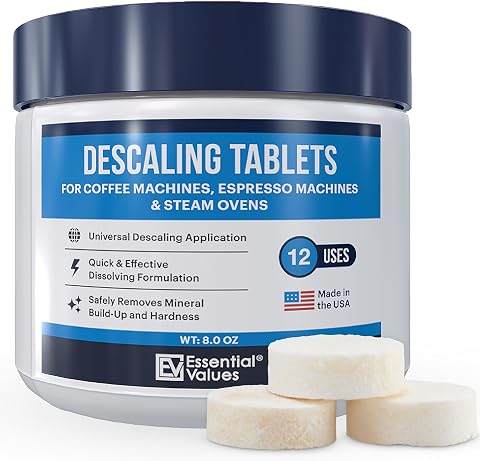
The sticker price is the smallest number in this decision. Over two years, a daily pod habit at Nespresso prices can cost several times the machine itself, while bean-based brewing runs a fraction of that — this is why a more expensive semi-automatic can be the cheaper choice over time. Descaling matters too: capsule machines need it every few months depending on water hardness, and hard water will kill a boiler faster than heavy use will. Check whether the machine uses standard-scale descaler or proprietary ones, and whether replacement parts like wands and baskets are easy to find. A machine you can’t economically maintain is a machine you’ll replace.
Frequently Asked Questions
Are Nespresso Original pods and Vertuo pods interchangeable?
No, and this incompatibility catches out a surprising number of buyers. Original pods are small, cylindrical capsules that work in machines like the CASABREWS CM7036E and CHULUX Bafè-Pro, and because the format is open, many third-party brands sell inexpensive compatible capsules. Vertuo pods are dome-shaped with a barcode that the machine scans to adjust brewing parameters, so Vertuo machines like the Pop+ models only accept official Nespresso capsules. Vertuo is more automated and offers larger coffee sizes, but Original gives you cheaper pods and broader choice. Decide based on how much variety and cost control matter to you before you pick a machine, because there’s no adapter that bridges the two systems.
Do I really need 20 bar pressure for good espresso?
No — genuine espresso extracts at around 9 bar, and any machine with a 15–20 bar pump can hit that range. The 20-bar claim on budget machines is a marketing ceiling, not a brewing setting, which is why the various 20-bar models in this comparison taste more alike than their specs suggest. What differentiates them is temperature stability, the quality of the portafilter basket, and whether the steam wand can actually texture milk. Machines rated around 3.5–4 bar, like the KEENSTAR, are the ones to avoid if you want real espresso, because they simply can’t generate extraction pressure. Treat 15+ bar as a requirement to buy, not a reason to buy.
Is a pod machine or a ground-coffee machine cheaper over time?
A ground-coffee machine is almost always cheaper per cup once you pass a few months of daily use. Original-line pods typically cost four to six times more per serving than beans you grind yourself, and Vertuo capsules run higher still because there’s no third-party competition. The break-even point against a budget semi-automatic like the CASABREWS CM5418 usually arrives within the first year for a one-cup-a-day drinker. That said, pods eliminate waste from badly pulled shots, stale grounds, and dialing-in mistakes — costs that hit beginners hardest. If you’d throw away three botched shots learning a semi-automatic, the pod premium partly pays for itself in frustration saved.
Can I make lattes and cappuccinos with a machine that has no steam wand?
You can make milk drinks, but they won’t be the same drink. Machines like the Breville Essenza Mini and Lavazza Classy Mini have no milk capability, so you’d either heat milk on the stove or add a standalone electric frother, which typically costs extra and takes up its own outlet and counter space. Frothers produce decent foamed milk for cappuccino-style drinks, though most can’t create the silky microfoam a real steam wand delivers. If milk drinks are your default order, choosing a wand-equipped machine like the CASABREWS 3700 or atatix from the start is simpler and cheaper than assembling a two-appliance workaround. The wandless machines make sense mainly for straight espresso and Americano drinkers.
Is the De’Longhi or Breville version of the Vertuo Pop+ the better buy?
The two machines are functionally identical — same brewing system, same capsule compatibility, same drink sizes — because Nespresso designs the platform and De’Longhi and Breville manufacture licensed versions. Differences are limited to finish details, color options like the Black and Gold Breville edition, and occasionally bundled welcome capsules. Your decision should come down to which colorway you prefer and which version is easier to obtain in your region, not performance. What matters far more is confirming you actually want the Vertuo ecosystem, since its proprietary pods cost more than Original-line capsules and can’t be substituted with third-party brands. Pick the aesthetic, then commit to the pod system deliberately.
Conclusion
For most buyers, the Ninja CFN601 is the best overall choice — it covers Nespresso capsules and everyday coffee in one footprint, so you’re not trapped in a single format. The CASABREWS CM7036E is the best value if you already know you want Original pods, undercutting the branded competition while accepting the same capsules. For beginners who want the simplest possible path, either Vertuo Pop+ model delivers barcode-automated espresso with no technique required; the De’Longhi and Breville versions differ only in finish. The CASABREWS 3700 is the premium pick for aspiring home baristas, pairing stainless construction with a proper steam wand for real milk drinks. Small-space and espresso-purist buyers should grab the Breville Essenza Mini, while budget-minded latte drinkers get the most capability per dollar from the atatix or CASABREWS CM5418. Whatever you choose, decide your pod system and milk needs first — every other choice in this category flows from those two answers.
Evergreen bestsellers Picks
bestsellers
As an affiliate, we earn on qualifying purchases.