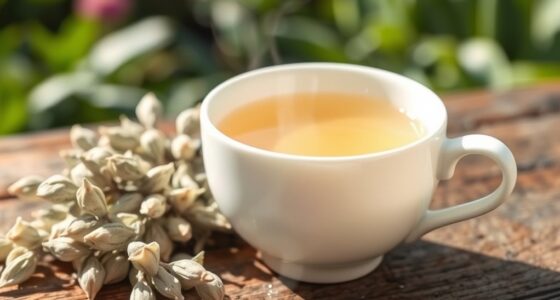
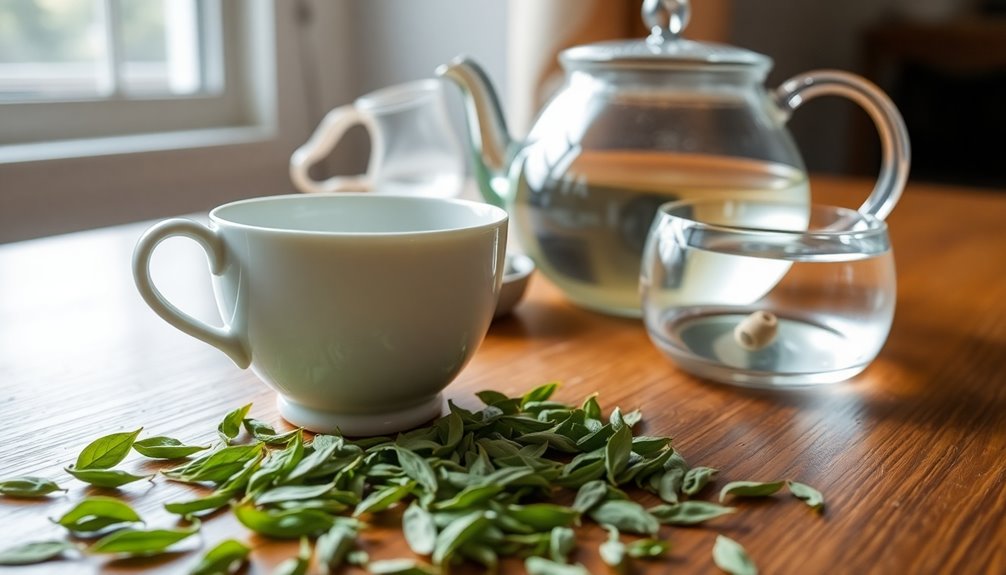
To brew the perfect cup of white tea, start with fresh, filtered water heated between 160°F and 185°F (70°C to 85°C). Use an airtight, opaque container for storage in a cool, dry place away from light and strong odors to keep its delicate flavor. Steep the tea leaves in hot water for 2 to 4 minutes, avoiding over-steeping to prevent bitterness. Paying attention to these details helps unleash its subtle aroma—continue to explore for more expert tips.
Key Takeaways
- Use fresh, filtered water heated between 160°F and 185°F (70°C to 85°C) for gentle infusion.
- Steep white tea for 2 to 4 minutes to develop flavor without bitterness.
- Brew in glass or porcelain teapots to avoid flavor interference and observe steeping progress.
- Gently pour water over tea leaves and avoid agitation during steeping.
- Smell the tea before drinking to enhance flavor appreciation and adjust steeping time if needed.

Have you ever wondered how to bring out the delicate flavor of white tea? The secret lies not just in the brewing process but also in how you store your tea beforehand. Proper tea storage is essential for maintaining its subtle aroma and flavor profiles. White tea is particularly sensitive to light, air, humidity, and temperature, which can degrade its quality over time. To preserve its nuanced taste, keep your white tea in an airtight container, ideally made of opaque material, away from direct sunlight and strong odors. Store it in a cool, dry place, and avoid frequent exposure to temperature fluctuations. When stored correctly, your white tea will retain its fresh, delicate notes, ensuring each brew is as delightful as the first. Additionally, controlling environmental factors can help prevent flavor degradation and maintain the tea’s freshness over longer periods.
Once your tea is properly stored, you’re ready to brew. To highlight its delicate flavor profiles, use fresh, filtered water heated to the right temperature—generally between 160°F and 185°F (70°C to 85°C). Water that’s too hot can overpower the subtlety of white tea, while too cool may result in a weak infusion. Pour the heated water gently over the tea leaves or bag, allowing them to steep without agitation. Steeping time is essential; typically, 2 to 4 minutes is enough to extract the flavors without turning the tea bitter. Keep an eye on the clock to avoid over-steeping, which can dull the tea’s delicate notes.
When pouring, consider using a glass or porcelain teapot or cup, as these materials don’t interfere with the tea’s flavor. As the tea steeps, you’ll notice its aroma unfolding—a sign that the delicate flavor profiles are developing. Take a moment to smell the tea before sipping; this enhances the overall experience and helps you appreciate its subtle nuances. When ready, enjoy your white tea slowly, allowing the gentle flavors to soothe your palate. If you find the taste too light, adjust the steeping time slightly in future brews, but always be cautious not to over-extract, as this can introduce bitterness.

BTaT- Classic tea set, 13 pcs, Tea Cups (7oz), Tea Pot with Stainless Steel Infuser (32oz), Creamer and Sugar Set, Porcelain Tea Set, White Tea Set, Tea Pot Sets with Cups
White royal tea set, 13 piece set: 4 tea cups (7oz), 4 saucers, tea pot (32oz), creamer pitcher…
As an affiliate, we earn on qualifying purchases.
As an affiliate, we earn on qualifying purchases.
Frequently Asked Questions
Can White Tea Be Steeped Multiple Times?
Yes, you can steep white tea multiple times. Store your tea properly in an airtight container away from light and moisture to preserve its delicate flavors and health benefits. Each infusion can bring out different subtle notes, making your tea experience more enjoyable. Remember, re-steeping may slightly reduce the white tea’s health benefits, but it still provides antioxidants and relaxation benefits. Enjoy your mindful tea ritual!
What Is the Ideal White Tea Leaf-To-Water Ratio?
Imagine your white tea as a delicate dance partner—too many leaves will overwhelm, too few will underwhelm. The ideal leaf-to-water ratio is about 1 to 3 grams of high-quality tea leaves per 8 ounces of water. Use water around 160°F to 185°F to unveil their subtle flavors. Adjust based on your taste, but remember, quality leaves and proper temperature are the keys to a harmonious brew.
How Does Water Mineral Content Affect White Tea Flavor?
Water mineral content, especially water hardness and mineral balance, profoundly influences white tea’s flavor. Hard water with high mineral content can mask delicate notes, making the tea taste more astringent or dull. Conversely, soft water with balanced minerals enhances the tea’s subtle sweetness and floral nuances. You should aim for water with moderate mineral levels to preserve white tea’s delicate flavor profile and enjoy a smoother, more refined taste.
Is White Tea Caffeine-Free or Low-Caffeine?
Imagine a gentle breeze whispering softly—white tea is low-caffeine, not entirely caffeine-free. You’ll find that white tea contains less caffeine than black or green teas, making it a soothing choice for your health. Its subtle caffeine content means you can enjoy its delicate flavor without jitters. Plus, white tea’s health effects, like antioxidants, support your wellness. So, sip with confidence, knowing you’re balancing flavor and gentle stimulation.
What Are Common White Tea Brewing Mistakes to Avoid?
You should avoid oversteeping errors, which can make your white tea bitter and harsh. Also, be mindful of water temperature mistakes—using water that’s too hot can damage delicate leaves, while too cool water won’t extract proper flavor. To get it just right, steep white tea at about 160°F to 185°F, and keep an eye on steeping time to prevent over-extraction. Proper technique guarantees a smooth, flavorful cup every time.

White Porcelain Teapot, Small Lotus Tea Pot Coffee Tea Water Pot Vintage Ceramic Gooseneck Little Kettle (14oz)
BEST TEAPOTS ARE PORCELAIN! -white teapot is porcelain made in China, because this material is the best for…
As an affiliate, we earn on qualifying purchases.
As an affiliate, we earn on qualifying purchases.
Conclusion
Now that you know how to brew white tea just right, you’re ready to reveal a delicate symphony of flavors with each cup. Think of it as crafting a gentle sunrise in a teacup—subtle, serene, and beautifully crafted. Every sip becomes a moment of calm in your busy day, a whisper of nature’s finest. So, embrace the process, savor the taste, and let your white tea journey bloom into a soothing ritual you’ll cherish.

AuldHome Design Farmhouse Tea Bag Box (White), Vintage Retro Style Enamelware Tea Storage Tin
FARMHOUSE STYLE: Vintage shabby chic retro classic decor with white enamelware distressed style
As an affiliate, we earn on qualifying purchases.
As an affiliate, we earn on qualifying purchases.
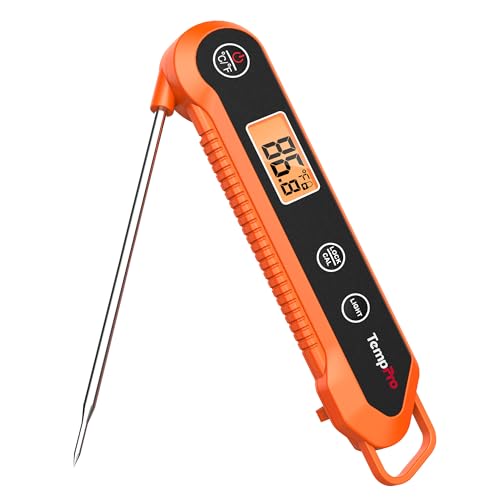
TempPro Digital Instant Read Meat Thermometer for Grilling Waterproof Kitchen Food Thermometer with Calibration Backlight Baking Bread Candy Thermometer Cooking Tools Utensils (Previously ThermoPro)
Fast and Accurate: 1-2 seconds response time! Meat thermometer digital features 3.9 inches food grade stainless steel probe…
As an affiliate, we earn on qualifying purchases.
As an affiliate, we earn on qualifying purchases.