The history of tea kettles and teapots spans from ancient times when metals like bronze and iron were used for durability and heat conduction, to modern materials such as stainless steel, glass, and aluminum that offer lightweight and sleek designs. Cultural influences from China, Japan, and Britain shaped their styles and functions, while technological advances continue to expand artistic and practical options. If you keep exploring, you’ll uncover how tradition and innovation have transformed tea ware over centuries.
Key Takeaways
- Early tea kettles and teapots were crafted from metals like bronze, copper, and iron, shaped by available resources and technological advances.
- Cross-cultural influences introduced diverse designs, motifs, and materials, blending Asian, European, and Japanese styles over centuries.
- The development of porcelain and modern materials like glass and stainless steel expanded aesthetic options and functional durability.
- Traditional styles reflect cultural customs, with specific shapes and features tailored to regional tea-drinking practices.
- Technological innovations continue to enhance tea ware with intricate designs, improved usability, and a fusion of historical and contemporary aesthetics.
Tea kettles and teapots have a rich history that reflects centuries of cultural exchange and technological innovation. Throughout the ages, their designs and materials have evolved, shaped by the diverse traditions and technological advancements of different societies. Today, their development continues as manufacturers experiment with modern materials to improve functionality and aesthetics, while still honoring the cultural influences that have defined their styles.
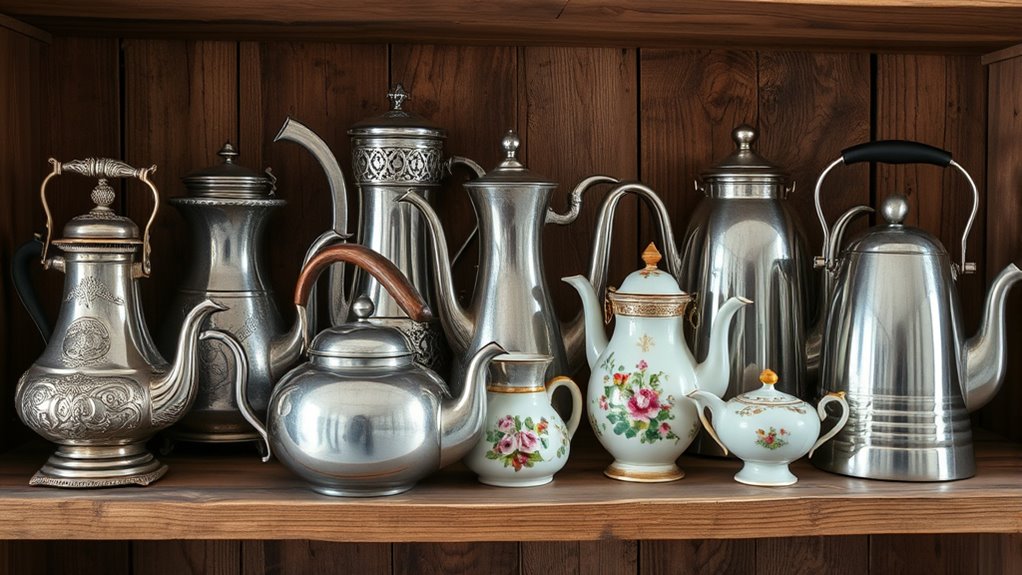
In earlier eras, teapots and kettles were primarily made from metals like bronze, copper, and iron, which were durable and effective at conducting heat. These materials were often chosen based on available resources and technological capabilities of the time. As trade routes expanded, especially during the Silk Road era, different cultures exchanged not only goods but also ideas about design and craftsmanship. For example, Chinese porcelain teapots became highly prized across Asia and Europe, blending artistic influences with functional design. This cross-cultural exchange introduced a variety of shapes, motifs, and techniques, enriching the evolution of tea ware.
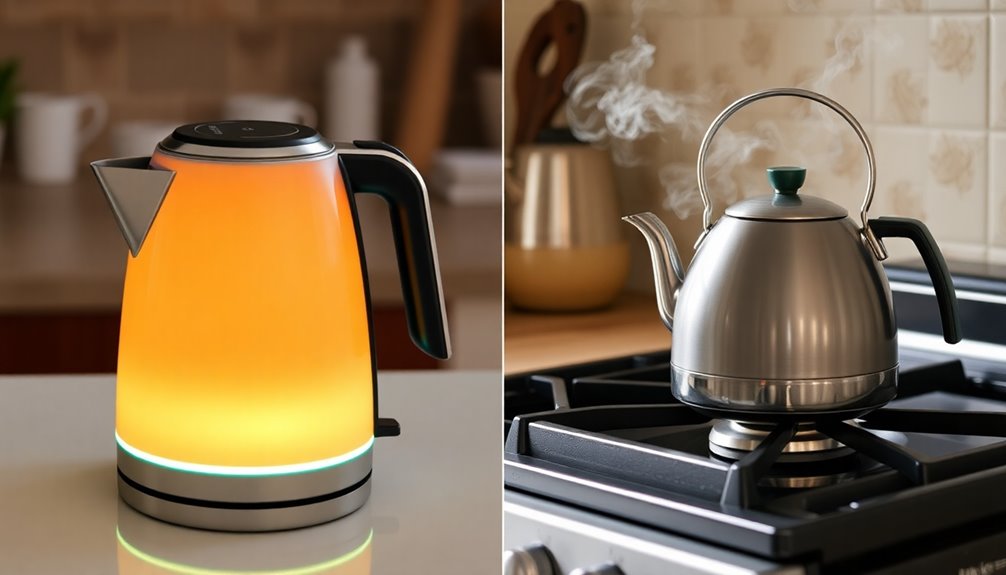
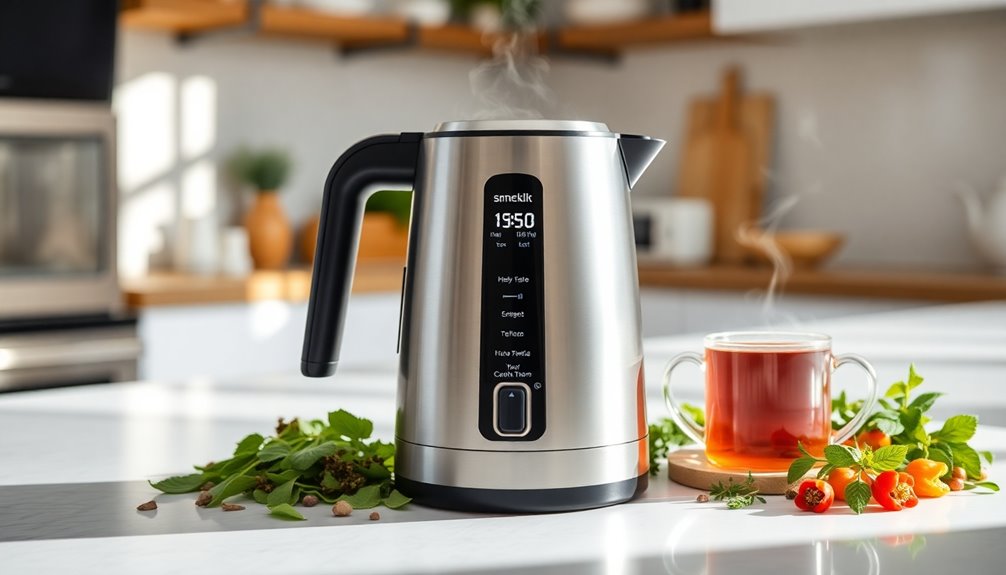
In recent decades, the shift towards modern materials has transformed how you experience tea preparation. Stainless steel, aluminum, and glass now dominate the market, offering durability, ease of cleaning, and better heat retention. These materials also enable manufacturers to create lightweight, sleek designs that appeal to contemporary tastes. For instance, glass teapots allow you to watch the infusion process, adding a visual element to your tea ritual, while stainless steel kettles are prized for their robustness and energy efficiency. The use of modern materials reflects an ongoing desire to combine practicality with aesthetic appeal, catering to a global audience with diverse preferences.
Cultural influences continue to shape the design of tea kettles and teapots, even amid modern innovations. You might notice that traditional Japanese kyūsu teapots feature a small, spouted design perfect for brewing loose leaf teas, while British-style kettles often emphasize larger capacities and ornate details. These cultural nuances influence not just appearance but also functionality, ensuring that each piece aligns with specific tea-drinking customs. As globalization increases, you see a blending of styles—contemporary designs that incorporate elements from different traditions, creating a rich tapestry of options that honor history while embracing innovation. Additionally, the technological progress in manufacturing techniques has allowed for more intricate and diverse designs, making tea ware both functional and artistic.
Ultimately, the evolution of tea kettles and teapots exemplifies how cultural influences and modern materials continue to shape your tea-drinking experience. Whether you prefer a lightweight glass infuser or a traditional cast-iron pot, their development reflects a blend of history, culture, and technological progress that makes every sip a connection to centuries of shared tradition.
Frequently Asked Questions
What Materials Are Most Durable for Modern Tea Kettles?
You’ll find stainless steel and cast iron to be the most durable materials for modern tea kettles. Stainless steel resists rust, corrosion, and stains, making it easy to clean and long-lasting. Cast iron, although heavier, offers exceptional durability and heat retention. Both materials stand up well to daily use, ensuring your kettle stays in great shape over time. Choose based on your preference for weight and heat retention.
How Do Cultural Differences Influence Teapot Designs Globally?
You’ll notice that cultural aesthetics and regional brewing techniques greatly influence teapot designs worldwide. For example, Chinese teapots often feature delicate, ornate styles suited for Gongfu brewing, while Japanese teapots prioritize simplicity and functionality for matcha preparation. In Britain, you’ll find classic, elegant designs reflecting their tea-drinking traditions. These differences showcase how local customs, materials, and aesthetics shape teapot shapes, sizes, and ornamentation across cultures.
Are There Eco-Friendly Options for Traditional Tea Kettles?
Yes, you can choose eco-friendly traditional tea kettles made from sustainable materials like bamboo, recycled stainless steel, or ceramic. Look for biodegradable options such as kettles with removable parts made from biodegradable plastics or natural fibers. By opting for these, you help reduce environmental impact and promote sustainability. Always check product labels for eco-certifications to guarantee you’re selecting genuinely environmentally friendly options that support a greener future.
What Technological Innovations Are Shaping Future Teapot Designs?
You’ll see smart heating and IoT connectivity transforming future teapot designs. These innovations let you control your teapot remotely via smartphone apps, ensuring perfect brewing every time. Smart heating offers energy-efficient temperature regulation, saving power and reducing waste. IoT connectivity also enables personalized brewing settings and real-time alerts. As a result, your tea experience becomes more convenient, precise, and eco-friendly, aligning with modern tech trends and sustainable practices.
How Do Temperature Controls Vary Across Different Kettle Types?
Think of your kettle as a conductor guiding a symphony; its temperature controls set the pace. Electric kettles often feature precise temperature regulation, allowing you to select exact settings for different teas. Traditional stovetop kettles rely on simple heating mechanisms, where boiling points signal readiness. Variable controls in modern kettles give you the power to fine-tune heat, ensuring your tea reaches its perfect flavor without overstepping the ideal temperature.
Conclusion
As you explore the history of tea kettles and teapots, imagine yourself in a cozy kitchen centuries ago, boiling water over a crackling fire, just like in a Victorian parlor. Today’s sleek, modern designs honor that rich tradition, blending old-world charm with new technology. Whether you’re brewing a simple cup or hosting a grand tea party, understanding their evolution connects you to centuries of tea lovers who cherished every sip, making each tea experience truly special.