
The tea industry is rapidly evolving, with a strong focus on sustainability, innovation, and consumer health trends. Growing demand for organic and eco-friendly teas pushes brands to adopt greener practices and obtain certifications, despite challenges like climate change and labor shortages. Supply chain disruptions also impact availability. If you want to understand how these shifts shape the future of tea, keep exploring the latest developments and opportunities shaping this dynamic industry.
Key Takeaways
- The tea industry is rapidly evolving with new trends emphasizing organic, eco-friendly, and ethically produced products.
- Climate change and supply chain disruptions are major challenges impacting crop yields and production capacity.
- Increasing adoption of sustainable practices and organic certifications boosts product quality and consumer trust.
- Consumer demand for healthful, chemical-free teas drives innovation and premium branding strategies.
- Industry outlook combines resilience and opportunity, focusing on transparency, sustainability, and technological advancements.

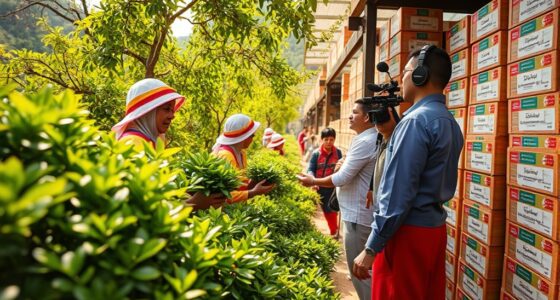
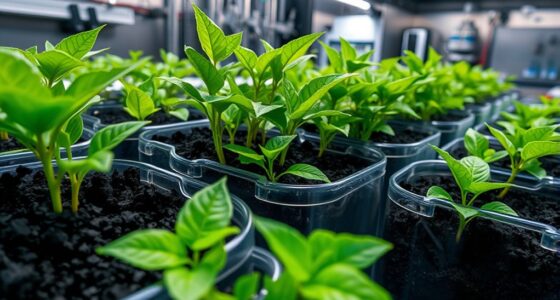
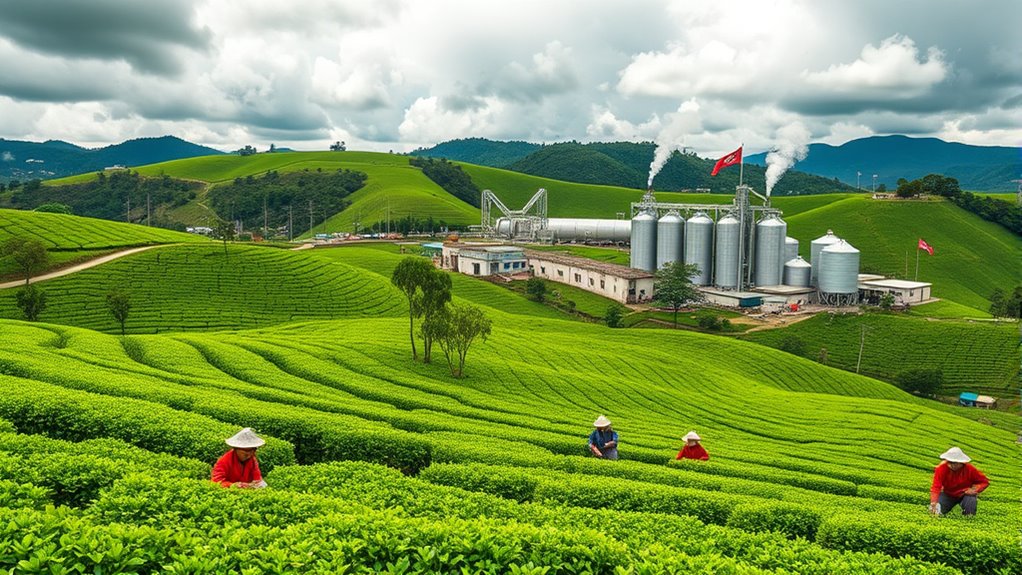
Have you noticed how the tea industry is evolving rapidly with new trends and innovations? It’s an exciting time, but it’s also a period of significant change driven by various challenges and opportunities. One of the biggest hurdles you might observe is the ongoing tea production challenges. These include issues like climate change, which affects crop yields and quality, and labor shortages, especially in traditional tea-growing regions. Rising temperatures and unpredictable weather patterns threaten to reduce harvests, forcing producers to adapt quickly. You’ll see some farmers experimenting with new cultivation techniques or shifting to more resilient tea varieties, but these solutions take time to implement. At the same time, supply chain disruptions caused by geopolitical tensions and transportation issues add further pressure, making it harder for you to access consistent, high-quality tea products. Despite these challenges, many producers are turning to innovative practices to sustain their crops, such as integrated pest management and sustainable water use, which also align with the increasing consumer demand for environmentally responsible products. Additionally, the industry’s resilience depends on how well producers can navigate these production challenges while embracing trends like organic certification. Meanwhile, organic certification trends are shaping the future of the tea industry in a big way. You might notice that more brands are proudly displaying organic labels on their packaging, signaling a shift toward cleaner, chemical-free teas. Consumers are becoming more health-conscious and enthusiastic to support eco-friendly farming practices, prompting producers to seek organic certification. This process, however, isn’t simple. It requires strict adherence to standards, careful documentation, and often higher costs for certification, which can be a barrier for some small-scale farmers. Yet, the trend toward organic tea isn’t just about health – it’s also about sustainability. Organic certifications encourage better soil health, reduce chemical runoff, and promote biodiversity, benefiting the environment and local communities. You’ll find that many tea brands now emphasize their organic credentials in marketing, appealing to a growing segment of consumers willing to pay a premium for ethically produced, healthful products. This shift not only boosts the reputation of the brands but also incentivizes farmers to adopt more sustainable practices, even if the initial transition is challenging. In this evolving landscape, you’re witnessing a blend of adversity and opportunity. The industry’s resilience depends on how well producers can navigate production challenges while embracing trends like organic certification. Innovations are emerging that could redefine quality standards and supply chain transparency, ultimately giving you better access to diverse, responsibly sourced teas. Staying informed about these developments helps you appreciate the complexities behind each cup of tea and supports the movement toward a more sustainable and equitable industry.
Top picks for "current state industry"
Open Amazon search results for this keyword.
As an affiliate, we earn on qualifying purchases.
Frequently Asked Questions
How Does Climate Change Affect Future Tea Production?
Climate change impacts future tea production by increasing unpredictable weather patterns, which threaten crop resilience. You’ll need to focus on climate adaptation strategies, such as selecting resilient tea varieties and adjusting planting schedules. These measures help guarantee your crops withstand extreme conditions. By prioritizing crop resilience, you can protect your tea yields and maintain quality, even as climate challenges become more intense. Staying proactive is essential for sustainable future tea production.
What Are Emerging Markets for Specialty Teas?
You might be surprised to discover emerging markets like Southeast Asia and parts of Africa are embracing specialty teas. These regions are increasingly drawn to unique flavors and health benefits, creating exciting opportunities. As consumers seek premium experiences, your business could tap into these markets, offering specialty teas that stand out. Stay alert—this trend is rapidly growing, promising a flavorful future for those daring enough to explore new territories.
How Is Technology Influencing Tea Farming Practices?
Technology is transforming tea farming through tea automation and digital cultivation. You can now use automated machinery to improve plucking and processing efficiency, reducing labor costs and increasing consistency. Digital cultivation tools help you monitor soil conditions, weather, and plant health in real-time, allowing you to make data-driven decisions. This integration of technology streamlines operations, boosts quality, and guarantees sustainable practices, giving your tea farm a competitive edge in the market.
What Certifications Are Most Valued in the Tea Industry?
You’ll find organic certification and fair trade labels most valued in the tea industry, as they guarantee quality and ethical practices. Coincidentally, these certifications often lead to better market access and consumer trust. When sourcing or selling tea, prioritizing these labels not only boosts your credibility but also aligns with growing demand for sustainable, ethically produced products, making your offerings stand out in a competitive market.
How Do Trade Policies Impact Global Tea Prices?
Trade policies, like trade tariffs and import restrictions, directly impact global tea prices. When tariffs increase, costs go up for importers, leading to higher retail prices for consumers. Conversely, easing import restrictions can lower costs, making tea more affordable worldwide. You’ll notice these shifts in prices depending on political relations and trade agreements, which influence supply chains and market stability, ultimately affecting your purchasing choices and the affordability of your favorite teas.
Conclusion
As you navigate the evolving tea industry, remember that like Alice in Wonderland chasing the White Rabbit, staying informed keeps you ahead of the curve. Embrace the latest trends and innovations, for they’re the keys to thriving in this vibrant world. The future may be as unpredictable as a teacup’s swirl, but with keen eyes and open mind, you can sip confidently from the cup of opportunity and enjoy the rich flavors of success ahead.