Around the world, tea brewing reflects diverse cultures with unique techniques and flavors. From Japan’s precise matcha ceremonies to India’s spiced chai, each culture brings its own rituals and presentation styles. Chinese teas are steeped multiple times to reveal subtle flavors, while Moroccan mint tea is poured from a height to aerate. Exploring these global twists enriches your understanding of tea’s cultural significance—and you’ll discover even more intriguing traditions below.
Key Takeaways
- Different cultures incorporate unique ingredients and rituals, such as Japanese tea ceremonies, Moroccan pouring techniques, or Indian chai spices.
- Regional flavor profiles influence preparation styles, like smoky Lapsang Souchong or sweet Longjing, reflecting local terroir and tastes.
- Techniques vary globally, from multiple infusions in China to boiling spices with tea in Indian chai or pouring from heights in Moroccan mint tea.
- Serving styles differ, including delicate cups with milk in England, communal tea ceremonies in Japan, or vibrant street-style chai in India.
- Cultural significance shapes presentation and etiquette, emphasizing mindfulness, respect, and social bonding across diverse tea traditions.

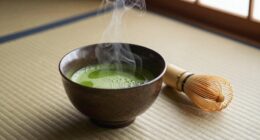
Tea preparation varies widely across cultures, reflecting local traditions, ingredients, and preferences. When you partake in different tea customs, you’ll notice that each culture has its own unique approach to brewing, serving, and appreciating this beloved beverage. For example, in Japan, the tea ceremony etiquette emphasizes precision, respect, and mindfulness. You’re expected to follow specific steps, such as carefully whisking matcha, handling utensils with reverence, and maintaining a tranquil atmosphere. These rituals aren’t just about making tea—they’re about creating a spiritual experience that honors tradition and fosters mindfulness. By understanding the proper tea ceremony etiquette, you deepen your appreciation for the cultural significance of tea, while also enjoying the sensory harmony of aroma, taste, and presentation. Proven strategies for successful tea brewing include paying close attention to water temperature and infusion times to enhance flavor quality.
Embrace the mindfulness and tradition of tea ceremonies, where precision and respect create a truly spiritual experience.
Across regions, flavor profiles differ widely, influenced by local ingredients and climate. In China, for instance, you’ll encounter a broad spectrum of teas—from delicate greens to robust blacks—each with distinct regional tastes. The subtle sweetness of Longjing or the smoky notes of Lapsang Souchong reveal how regional flavor profiles are shaped by terroir and processing methods. When you prepare Chinese teas, you often steep them multiple times, allowing you to explore the layers of flavor with each infusion. In contrast, Indian chai blends bold black tea with spices like cardamom, cinnamon, and ginger, creating a rich, aromatic experience. Here, the preparation involves boiling the tea leaves with milk and spices, resulting in a comforting, full-bodied drink.
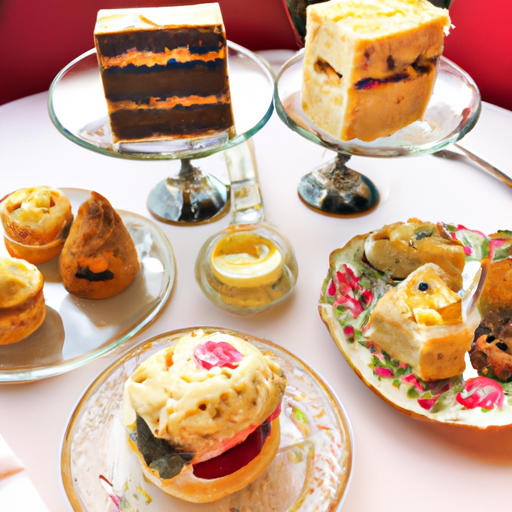
In England, the tradition of afternoon tea emphasizes simplicity and elegance, with black tea served alongside scones and finger sandwiches. You typically brew a strong cup of tea using loose leaves or tea bags, then pour it into a delicate cup, often with a splash of milk. Meanwhile, in Morocco, you might prepare mint tea with green tea and fresh mint leaves, sweetening it generously with sugar. The regional flavor profiles and presentation styles reflect local tastes and social customs, making each experience unique. Incorporating diversity in brewing methods can enrich your understanding and appreciation of global tea traditions.
Whether you’re following the meticulous steps of a Japanese tea ceremony, savoring a spiced chai, or enjoying a quick cup of English breakfast, understanding the regional nuances enhances your appreciation. Each method offers a window into the culture’s history and values. By exploring these diverse approaches, you not only learn about different ways to brew tea but also immerse yourself in the rich tapestry of traditions that make each culture’s tea experience special.

Farielyn-X Matcha Whisk Set, Japanese Tea Set (5pcs) includes Matcha Bowl with Spout (19 oz), Bamboo Whisk, Matcha Scoop, Matcha Whisk Holder (Chasen Holder), Stainless Steel Sifter, Macha Kit
【Elegant Matcha Set】Our 5-piece matcha whisk set includes essential tools for an authentic matcha experience: 1* Bamboo Matcha…
As an affiliate, we earn on qualifying purchases.
As an affiliate, we earn on qualifying purchases.
Frequently Asked Questions
How Do Traditional Tea Ceremonies Influence Modern Brewing Techniques?
Traditional tea ceremonies influence your modern brewing techniques by emphasizing meditative rituals that promote mindfulness, encouraging you to focus on each step. You use ceremonial utensils to guarantee precision and respect for the process, which can elevate your experience. Incorporating these practices helps you slow down, appreciate the tea, and craft a more intentional, refined brew, blending age-old traditions with your contemporary approach for a richer, more meaningful tea experience.
Are There Health Benefits Unique to Specific Global Tea Preparation Methods?
Of course, brewing tea in a traditional Chinese gongfu style magically grants you an antioxidant boost, while Moroccan mint tea offers an herbal infusion that supposedly cures all ailments. These methods might seem like ancient secrets, but they do provide unique health benefits. By embracing specific global techniques, you could enhance your tea’s antioxidant content or enjoy herbal infusions that promote relaxation and wellness, all wrapped in cultural flair.
What Equipment Is Essential for Authentic International Tea Brewing?
You need essential tea accessories like a quality teapot or brewing vessel to make authentic international tea. A gaiwan, yixing clay teapot, or traditional Chinese gaiwan are perfect for specific teas, while Japanese kyusu or Indian samovars suit their regions. These brewing vessels enhance flavor and authenticity. Don’t forget a tea strainer and cups for serving. Investing in the right equipment elevates your brewing experience and captures the true essence of each culture’s tea tradition.
How Do Cultural Preferences Affect Tea Strength and Flavor Profiles Worldwide?
Cultural preferences greatly influence tea strength and flavor profiles, shaping how you enjoy your brew. Tea etiquette guides you on steeping times and serving styles, affecting flavor infusions and strength. For example, some cultures prefer light, delicate teas, while others favor robust, infused varieties. By respecting these traditions, you can tailor your brewing to match cultural expectations, creating a more authentic and flavorful tea experience that celebrates diverse tastes worldwide.
Can Traditional Methods Be Adapted for Quick, Everyday Tea Preparation?
Your traditional tea methods can absolutely be adapted for quick, everyday brewing. Focus on faster tea infusion techniques like using smaller leaves or crushed tea, which boost brewing efficiency. Invest in a quality teapot or infuser that speeds up the process, making your daily tea routine feel like a breeze. These tweaks save time without sacrificing flavor, turning a centuries-old ritual into a swift, satisfying part of your busy day.

Hand Painted Moroccan Glasses Set of 6 Glasses Colorful Gold Door Design Teacup Set For Mint Tea
Perfect Size: Each glass measures 3.5 inches in height and 2 inches in width, with a capacity to…
As an affiliate, we earn on qualifying purchases.
As an affiliate, we earn on qualifying purchases.
Conclusion
Across the globe, tea brewing methods reveal rich cultural traditions, from Japan’s precise tea ceremony to India’s spicy chai. Did you know that over 2 billion cups of tea are consumed worldwide daily? This shows just how deeply tea is woven into daily life everywhere. So, next time you sip your favorite brew, remember you’re part of a global community celebrating centuries of diverse, fascinating tea traditions. Cheers to discovering new ways to enjoy this beloved beverage!

Blue Lotus Chai – Traditional Masala Chai – Makes 100 Cups – 3 Ounce Masala Spiced Chai Powder with Organic Spices – Instant Indian Tea No Steeping – No Gluten
Winner of 2019 Silver Sofi Award, Tea Category! – The delightful and authentic taste of Blue Lotus Chai…
As an affiliate, we earn on qualifying purchases.
As an affiliate, we earn on qualifying purchases.

REOWONU Japanese Tea Set with 1 Teapot(23 oz/660ml), 6 Tea cups(5.3 oz/150ml), 1 Tea Tray, 1 Stainless Infuser, Golden plum blossom relief,Chinese gungFu tea set (Golden plum-Blue)
[Exquisite Golden Plum Design for Elegant Tea Time]: This Japanese tea set features handcrafted embossed golden plum blossoms…
As an affiliate, we earn on qualifying purchases.
As an affiliate, we earn on qualifying purchases.