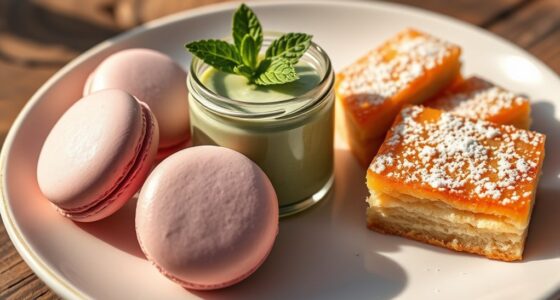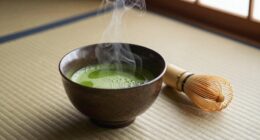
The history of tea-based desserts reflects a rich exchange of cultural practices and trade routes, evolving from ancient China’s aromatic teas and traditional ceremonies to global influences. As tea traveled along the Silk Road, each region adapted it into unique baked goods—like Japanese wagashi, British scones, or Indian chai-spiced treats. Modern chefs continue blending these traditions with new flavors, creating innovative desserts that honor this long and cross-cultural legacy. Exploring this story reveals how tea’s journey shaped sweet creations worldwide.
Key Takeaways
- Tea’s introduction to desserts began in ancient China with aromatic Pu-erh and jasmine confections reflecting traditional practices.
- The spread along trade routes like the Silk Road facilitated the exchange of tea varieties and dessert techniques across Asia, Persia, and Europe.
- Cultural influences, such as Japanese wagashi, British afternoon teas, and Indian chai, shaped regional tea-based sweet traditions.
- Colonial interactions and modern fusion cuisine have led to innovative, contemporary tea-infused desserts blending traditional flavors with new techniques.
- The evolution of tea-based baked goods showcases a rich history of cultural exchange, adaptation, and the ongoing development of global culinary practices.

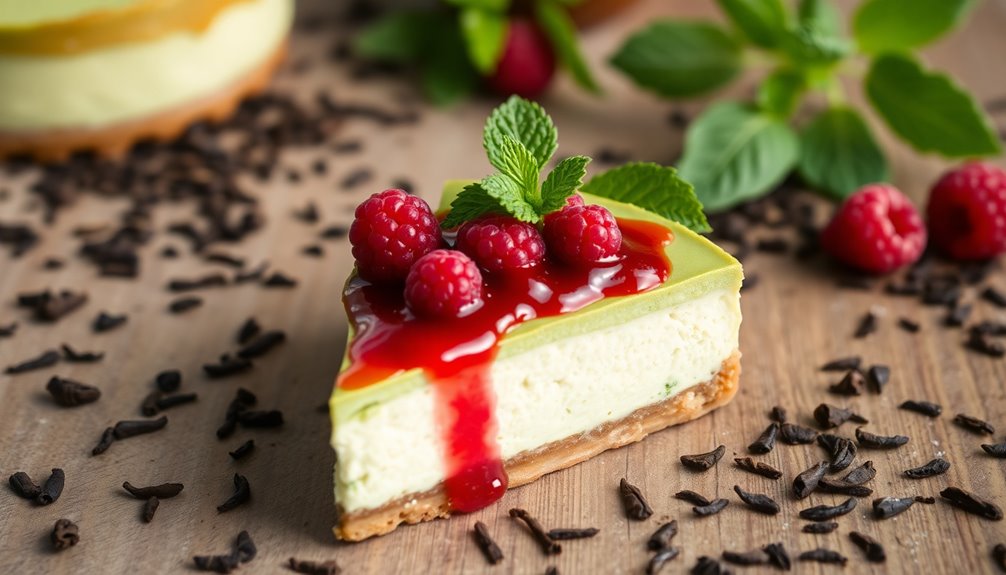
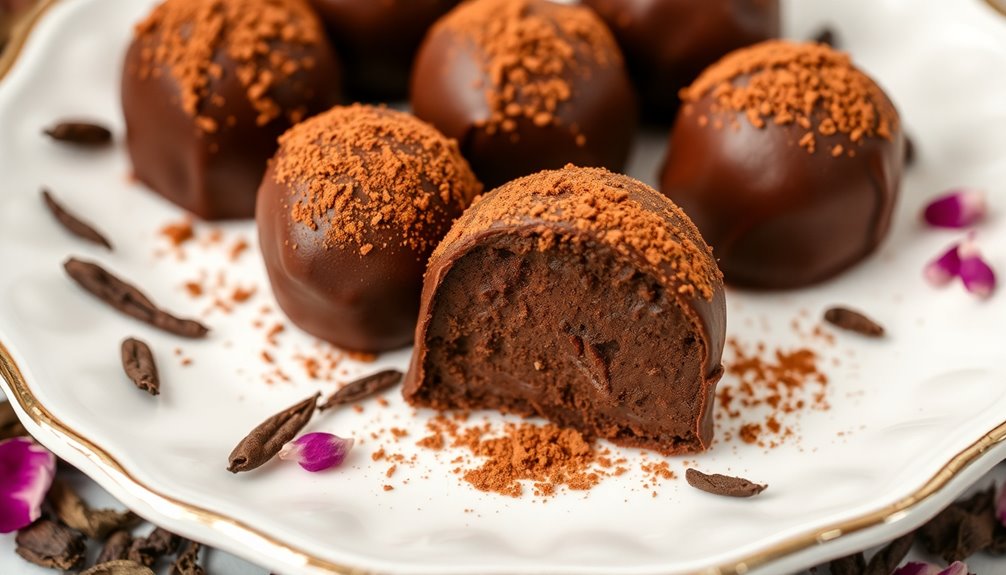
Tea has long been celebrated not only as a comforting beverage but also as a flavorful ingredient in desserts around the world. Its versatility lies in the myriad of tea flavors that can be paired with different ingredients, creating harmonious and memorable taste experiences. When you explore tea-based desserts, you’ll notice how tea flavor pairing plays a vital role in shaping the overall flavor profile. For example, delicate green teas often complement light, fruity desserts, while robust black teas can add depth to richer, chocolatey treats. The art of pairing isn’t just about matching flavors; it’s about balancing the tea’s natural aroma and a dessert’s sweetness to enhance both components. Over centuries, these pairings have been influenced by cultural preferences and regional ingredients, leading to a rich tapestry of tea-based confections. Incorporating authentic materials like matcha or Pu-erh enhances the sensory experience and connects the desserts to traditional practices.
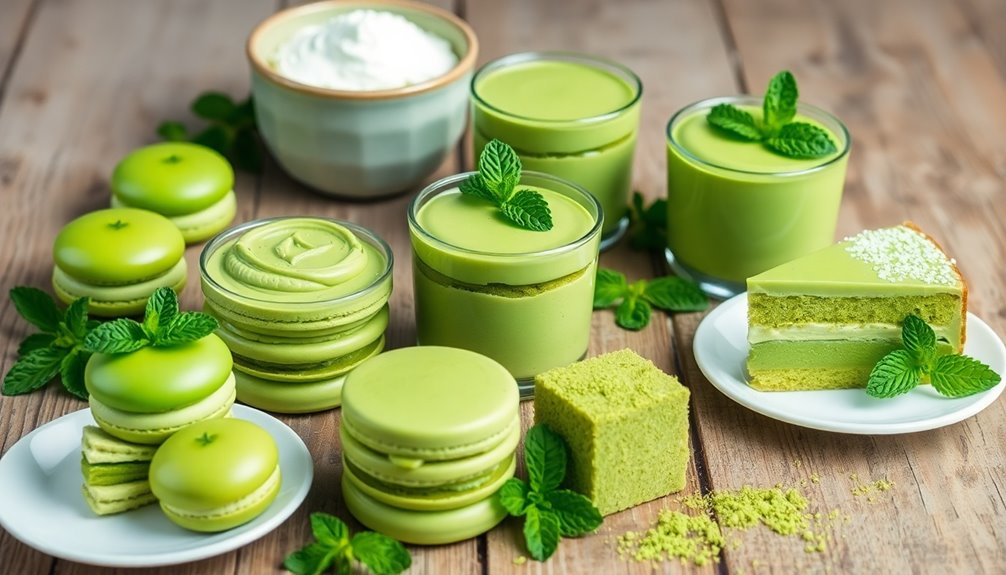
Cultural influences profoundly shape how tea is integrated into desserts. In Japan, for instance, matcha—finely ground powdered green tea—has been a staple in traditional sweets like mochi and wagashi for centuries, reflecting the country’s tea ceremonies and aesthetic principles. These desserts emphasize subtlety and harmony, mirroring Japanese cultural values. Conversely, in Britain, the tradition of afternoon tea has inspired the creation of tea-infused scones, trifles, and cakes, often using strong black teas like Assam or Darjeeling. These desserts tend to be more indulgent, aligning with the British appreciation for hearty, comforting foods. In China, tea-based sweets such as jasmine-infused cakes or Pu-erh-flavored pastries highlight the importance of aromatic teas and their connection to centuries-old culinary practices. Meanwhile, in India, spiced tea flavors like chai have influenced desserts that incorporate cinnamon, cardamom, and cloves, resulting in warm, aromatic treats.
As you trace the evolution of tea-based desserts, you’ll see how trade routes, colonization, and cultural exchange have introduced new teas and dessert techniques across continents. The Silk Road, for example, facilitated the spread of tea from China to Persia and beyond, inspiring local adaptations and innovations. Today, these influences continue to evolve as chefs and home bakers experiment with different teas, blending traditional methods with contemporary flavors. Whether it’s a matcha tart, a chai-spiced cake, or a jasmine-scented pudding, the history of tea-based desserts reflects a fascinating blend of cultural influences and flavor pairings that have developed over centuries, enriching the global culinary landscape.

MatchAiA Organic Matcha Green Tea Powder – Premium Culinary Grade, USDA Certified, 100% Pure – Perfect for Lattes, Smoothies, Desserts and Baking – Sugar Free, Gluten Free (60g / 2.1oz Pouch)
Pure Organic Certification: MatchAiA premium matcha green tea powder carries USDA organic certification and is sourced exclusively from…
As an affiliate, we earn on qualifying purchases.
As an affiliate, we earn on qualifying purchases.
Frequently Asked Questions
Which Tea Varieties Are Best for Baking?
You’ll want to choose green, black, or oolong teas for baking, as they offer versatile flavors. Use tea infusion techniques like steeping or simmering to extract their essence. Pair them with flavors like citrus, vanilla, or spices to enhance your baked goods. Applying flavor pairing strategies helps you balance the tea’s aroma with ingredients, ensuring your desserts are flavorful and harmonious. Experiment to find the perfect match for your recipes!
How Has Tea Flavor Influenced Modern Desserts?
You might think tea’s subtle notes get lost in desserts, but ironically, its flavor now dominates, thanks to clever tea infusion techniques. Modern bakers use precise tea pairing principles to highlight or contrast these flavors, creating layered delights. This influence transforms simple sweets into sophisticated, aromatic experiences, making tea’s presence unavoidable and unforgettable—proof that even the quietest teas can take center stage, rewriting dessert rules with elegance and boldness.
Are There Regional Differences in Tea-Based Baked Goods?
Yes, there are regional differences in tea-based baked goods. You’ll find that local ingredients and cultural adaptations shape these treats; for example, green tea sweets are popular in Japan, while chai-spiced baked goods are common in India. In China, jasmine tea adds floral notes, whereas in the UK, black tea infuses traditional scones. These variations reflect regional tastes and ingredients, making each tea-based baked good unique to its culture.
What Are Traditional Tea Dessert Recipes From Ancient Cultures?
Imagine tasting a piece of history with every bite. From ancient China’s delicate mooncakes infused with jasmine tea to Japan’s matcha-flavored wagashi served during tea ceremonies, these desserts symbolize harmony and tradition. In India, chai-spiced sweets like kulfi evoke cultural symbolism. These recipes connect you to centuries-old rituals, turning simple ingredients into cultural treasures that honor the timeless beauty of tea’s role in tradition.
How Does Tea Affect the Texture of Baked Goods?
Tea affects the texture of baked goods by adding moisture, which keeps them tender and moist. When you incorporate tea into your batter, it influences the crumb structure, making it softer and more delicate. The liquid from the tea helps to evenly distribute flavors, resulting in a more uniform texture. Just be mindful of the amount you add, as too much tea can make your baked goods overly moist or dense.

Herb To Body Dried Chamomile Flowers Powder – 4oz, Wildcrafted Matricaria Camomilla Powder for Chamomile Tea, Herbal Tea, Ingredient for Baking, Infusions, and DIY Creations
Delicately Ground Chamomile: This powder is made from wildcrafted Matricaria Camomilla, finely milled to preserve its soft floral…
As an affiliate, we earn on qualifying purchases.
As an affiliate, we earn on qualifying purchases.
Conclusion
As you explore the history of tea-based desserts, it’s fascinating to contemplate the theory that ancient trade routes spread not just tea, but a whole world of sweet creations. Imagine that, centuries ago, a simple sip of tea sparked a dessert revolution across continents. Whether true or not, it’s clear that tea’s influence on baked goods and sweets continues to evolve, blending cultures and flavors in delicious, unexpected ways you can still enjoy today.

Comolife Japanese Wagashi molds
As an affiliate, we earn on qualifying purchases.
As an affiliate, we earn on qualifying purchases.
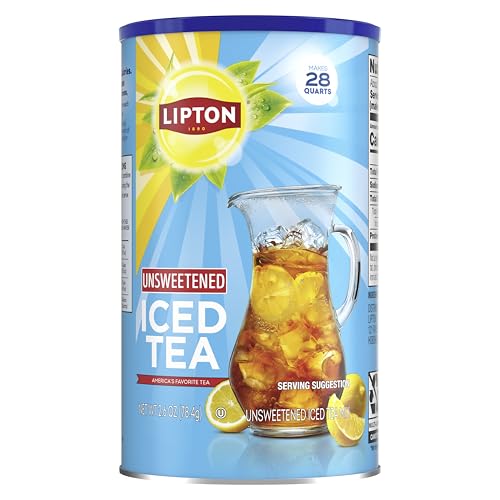
Lipton Unsweetened Iced Tea Mix, Makes 28 Quarts (Pack of 1)
FLAVORFUL black tea leaves for a smooth and crisp pitcher of iced tea.
As an affiliate, we earn on qualifying purchases.
As an affiliate, we earn on qualifying purchases.