When comparing Taiwanese tea to other varieties, you’ll notice Taiwanese teas emphasize freshness, floral aromas, and complex, layered flavors, thanks to their traditional cultivation and processing methods. The high-mountain oolongs, for example, offer bright, crisp profiles that highlight natural qualities, differing from bolder or earthier teas elsewhere. The harmony between environment and craftsmanship plays a key role in their uniqueness. Explore further to uncover the rich heritage and subtle nuances that make Taiwanese teas truly special.
Key Takeaways
- Taiwanese teas emphasize freshness, vibrant floral and fruity notes, unlike the bold, earthy flavors common in teas from other regions.
- Traditional cultivation and processing techniques in Taiwan preserve natural aroma and delicate flavors, setting them apart from more industrial methods elsewhere.
- High-mountain oolongs in Taiwan offer complex, layered profiles with bright, crisp, and floral qualities, contrasting with simpler or more robust teas.
- Environmental harmony and craftsmanship in Taiwan contribute to unique flavor nuances, which are often more refined than in mass-produced teas.
- Taiwanese teas prioritize aroma and complexity, whereas other teas may focus on boldness, strength, or earthiness.

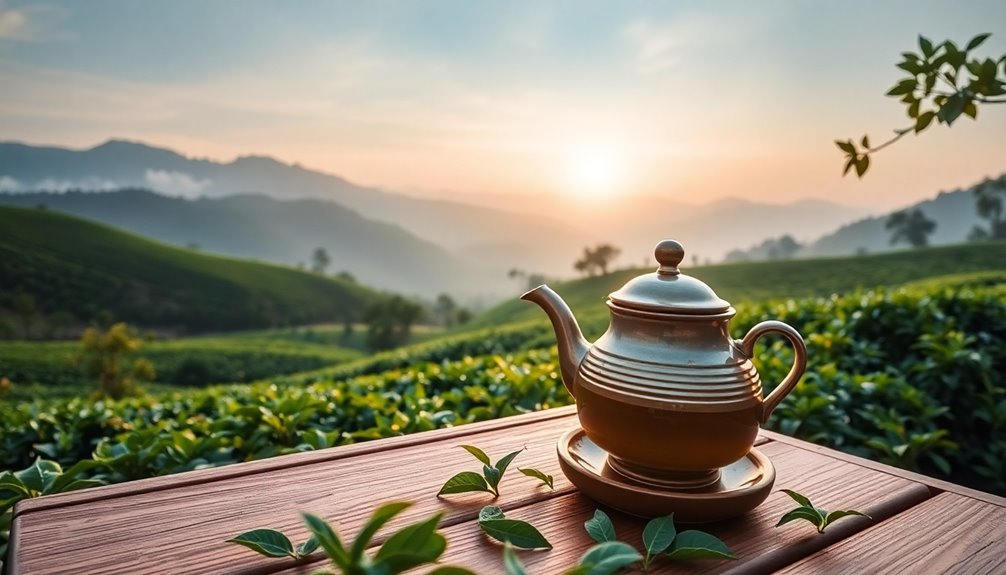
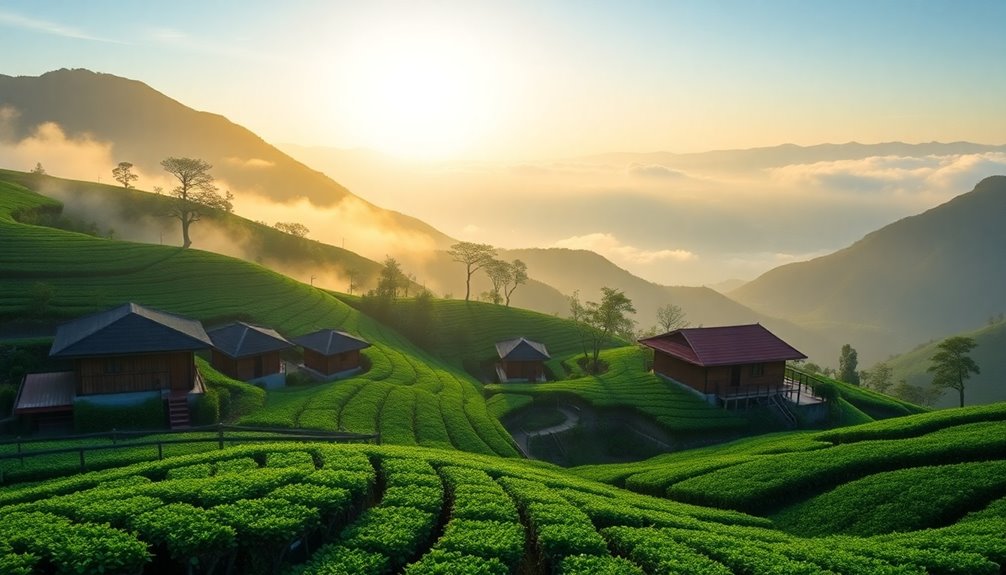
Have you ever wondered what makes Taiwanese tea stand out from other varieties? The answer lies in its unique approach to tea cultivation and the diverse flavor profiles that develop as a result. In Taiwan, tea cultivation is more than just a farming activity; it’s a meticulous craft passed down through generations. The island’s climate, rich soil, and mountainous terrain create ideal conditions for growing high-quality tea leaves. Farmers often handpick their tea leaves, ensuring only the best leaves are selected for processing. This careful attention to cultivation results in teas that are vibrant, fresh, and complex, setting Taiwanese teas apart from many other varieties.
When it comes to flavor profiles, Taiwanese teas are renowned for their distinctive character. Whether you’re tasting a lightly oxidized oolong, a fragrant green tea, or a deep, roasted black tea, each offers a unique sensory experience. The flavor profiles are often described as floral, fruity, nutty, or even mineral-like, reflecting the diverse terroirs across Taiwan. Many Taiwanese teas boast a smooth, lingering finish that’s rarely found in teas from other regions. This complexity comes from the traditional processing techniques, which emphasize preserving the natural qualities of the tea leaves. For example, the famous high-mountain oolongs are known for their bright, floral aroma and clean, crisp taste—a result of slow, precise oxidation and roasting. These teas often exhibit a layered flavor profile that evolves with each sip, offering a nuanced experience.
In comparison to other teas, Taiwanese varieties often emphasize freshness and aroma, which are products of their specific cultivation practices and processing methods. While teas from other countries might focus more on boldness or earthy qualities, Taiwanese teas tend to highlight delicate, intricate flavors. This is partly due to their careful cultivation and partly because of the traditional techniques used—such as gentle rolling and precise oxidation—that help preserve the tea’s natural essence. The combination of climate, soil, and craftsmanship results in teas that are both vibrant and complex, making them highly sought after by connoisseurs.
Ultimately, what makes Taiwanese tea truly stand out is the harmony between the environment and the skilled craftsmanship behind its production. From the cultivation process to the intricate flavor profiles, every sip reveals a story of tradition, expertise, and a deep respect for nature’s gifts. If you’re a tea lover, exploring Taiwanese teas means immersing yourself in a world of vibrant flavors and rich cultural heritage that few other teas can match.
Frequently Asked Questions
What Are the Health Benefits Unique to Taiwanese Tea?
You’ll find that Taiwanese tea offers unique health benefits like strong antioxidant properties that help fight free radicals, supporting your overall health. It also promotes digestive health, making it easier to process meals and reduce bloating. These benefits come from the high-quality leaves and traditional processing methods used in Taiwan. By drinking Taiwanese tea regularly, you can enjoy these health perks while savoring rich, authentic flavors.
How Does Taiwanese Tea Cultivation Differ From Other Regions?
You’ll find that Taiwanese tea cultivation differs through its unique soil composition, rich in volcanic ash, which boosts flavor. Harvesting methods are meticulous, often hand-picking only the top leaves for quality. Unlike other regions, Taiwan emphasizes careful plucking and processing, preserving freshness. This combination of soil and harvesting techniques results in teas with distinctive aroma and taste, making Taiwanese tea truly stand out among global varieties.
Are There Specific Brewing Techniques for Taiwanese Tea?
You should use specific brewing techniques to enjoy Taiwanese tea fully. For premium tea leaf quality, steep at a lower temperature, around 75-85°C, to prevent bitterness and reveal delicate flavors. Interestingly, Taiwan’s high-altitude regions produce teas with 20% more aromatic compounds, making precise brewing essential. Use a gaiwan or small teapot, steep multiple times, and adjust brewing time to enhance aroma and flavor, revealing the tea’s full potential.
Which Taiwanese Teas Are Best for Beginners?
If you’re new to Taiwanese teas, start with lightly oxidized oolongs or green teas like Alishan or Sun Moon Lake. These teas offer gentle, sweet flavor profiles that are easy to appreciate. To keep your tea fresh, store it in an airtight container away from light and moisture. This way, you’ll enjoy the full, nuanced flavors every time you brew, making your tea experience enjoyable and rewarding.
How Does Taiwanese Tea Influence Local Culture and Traditions?
You influence local culture and traditions through your appreciation of Taiwanese tea, which plays a crucial role in tea ceremonies and preserves cultural heritage. When you participate in tea ceremonies, you connect with centuries-old customs that celebrate hospitality and respect. Your enjoyment of Taiwanese tea helps keep these traditions alive, fostering community bonds and passing down cultural values. By valuing Taiwanese tea, you actively contribute to maintaining the region’s rich cultural identity.
Conclusion
You’ve seen how Taiwanese tea stands out with its unique flavor profiles and cultivation methods, making it a favorite worldwide. Did you know Taiwan produces over 100 million kilograms of tea annually? This impressive statistic highlights its significance in the global tea industry. So, next time you sip a cup, remember the rich tradition and dedication behind Taiwanese tea’s exceptional quality. It truly offers a taste that’s both authentic and extraordinary.