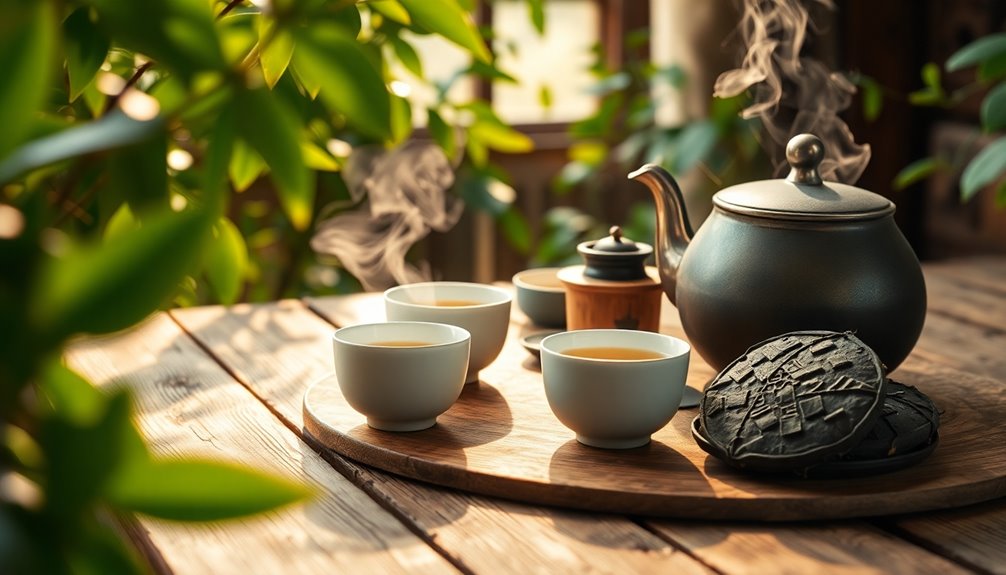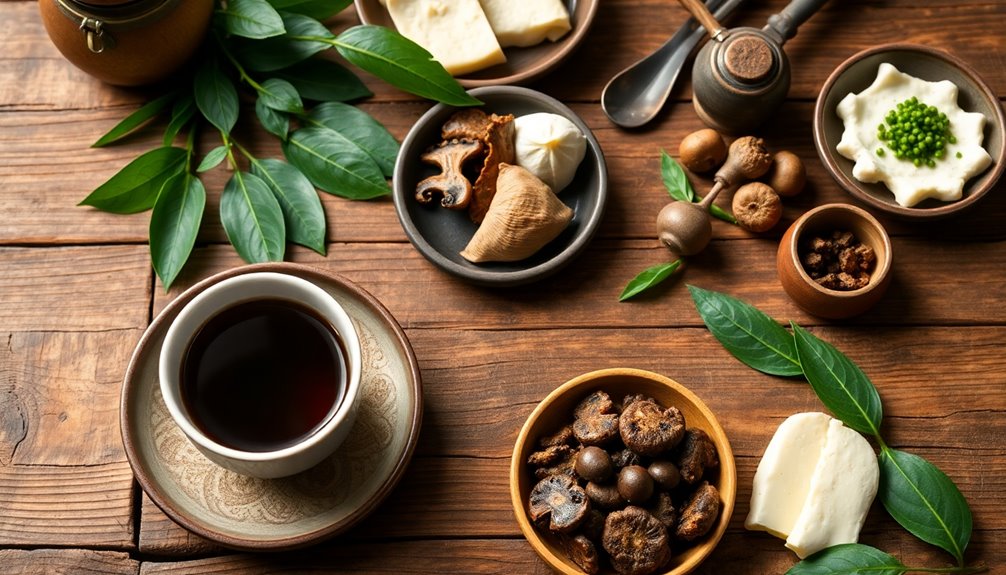
Pu-Erh tea, originating from Yunnan Province in China, is renowned for its unique fermentation process that sets it apart from other teas. This process involves microbial activity that transforms the tea leaves, developing earthy, woody, and mellow flavors that deepen with age. Its history reflects regional traditions and diverse styles, from pressed cakes to loose leaves, offering a rich tapestry of flavors. Exploring its origins reveals a fascinating story, and there’s much more to uncover about its complex journey.
Key Takeaways
- Pu-Erh tea originates from Yunnan Province, China, with a history dating back centuries.
- Its unique fermentation process involves microbial activity that transforms flavor and aroma over time.
- There are two main types: raw (sheng) and ripe (shou), each with distinct fermentation methods.
- Regional variations in processing, climate, and tradition influence the tea’s flavor and aging potential.
- Pu-Erh’s reputation is built on its complex, earthy flavor profile that deepens with age and fermentation.
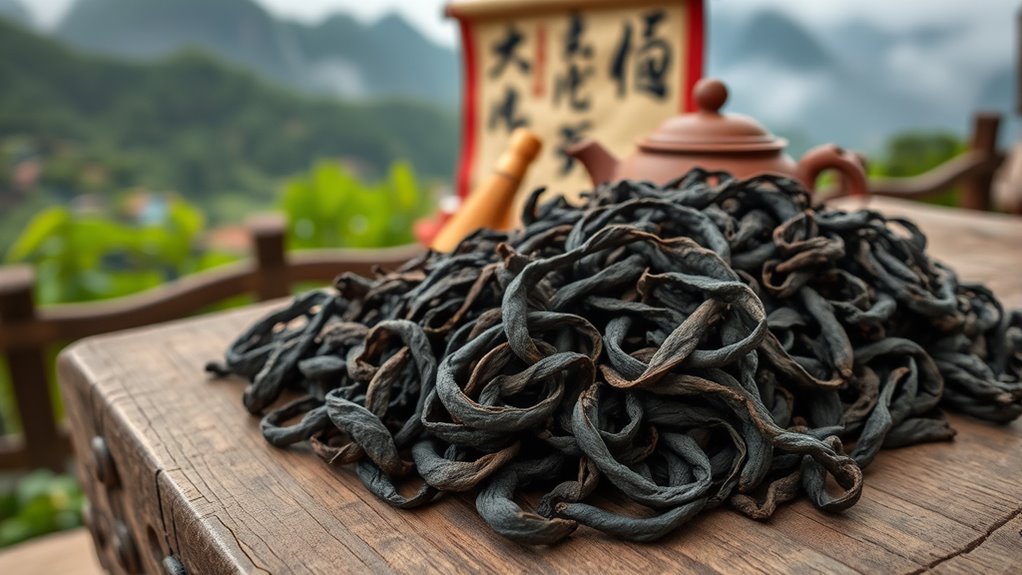
Have you ever wondered what sets Pu-Erh tea apart from other varieties? The answer lies in its unique fermentation process and the rich diversity of regional varieties. Unlike green or black teas, Pu-Erh undergoes a special fermentation that transforms its flavor, aroma, and texture over time. This process involves microbial activity that breaks down the tea leaves, creating a complex, mellow taste that develops with age. It’s this fermentation that gives Pu-Erh its distinctive earthy notes, often described as woody, musty, or even slightly sweet, setting it apart from more straightforward teas. The fermentation process isn’t just a production step; it’s the core of what makes Pu-Erh so revered among tea enthusiasts worldwide.
Regional varieties also play an essential role in defining Pu-Erh’s character. Originating in Yunnan Province, China, Pu-Erh is deeply tied to its geographical roots. Over centuries, different areas within Yunnan and neighboring regions have cultivated unique processing techniques and tea leaf blends, resulting in a broad spectrum of regional varieties. These differences can influence everything from the leaf’s size and shape to the fermentation duration and aging conditions. For example, some regional varieties are pressed into cakes or bricks, while others are loose leaves, each offering a different experience. The climate, altitude, and local traditions all contribute to the diversity of Pu-Erh, making it a product that’s as varied as the regions it comes from.
Understanding the regional varieties is essential if you want to truly appreciate Pu-Erh’s complexity. Some are designed for quick consumption, with a fresher, more vibrant flavor profile, while others are aged for decades, developing richer, more layered tastes. The aging process itself is a vital aspect, as it allows the flavors to meld and deepen, much like fine wine. Since the fermentation process can be manipulated to produce different styles—raw (sheng) or ripe (shou)—you have a wide array of options depending on your preference.
In essence, Pu-Erh’s distinctiveness springs from its fermentation process and regional varieties. These factors combine to give each batch its unique personality, making Pu-Erh a truly dynamic and nuanced tea. Whether you’re new to tea or a seasoned connoisseur, exploring these aspects will deepen your appreciation for this ancient, evolving beverage. Every sip offers a taste of history, geography, and tradition, all woven into a single cup.
Frequently Asked Questions
How Is Pu-Erh Tea Produced Differently From Other Teas?
You produce Pu-Erh tea differently by focusing on a unique fermentation process that transforms its flavor and aroma. Unlike other teas, it undergoes microbial fermentation and aging methods that can last from months to years. During fermentation, natural microbes break down the leaves, enhancing complexity. The aging process further develops its taste, making Pu-Erh distinct with earthy, rich notes, setting it apart from green or black teas.
What Are the Health Benefits Associated With Pu-Erh Tea?
Think of pu-erh tea as a wellness compass guiding your health journey. It boasts antioxidant properties that fight free radicals and support your immune system. Plus, it acts as a digestion aid, helping to break down fats and soothe your stomach. Regularly sipping pu-erh may even boost metabolism and promote weight management. Embrace this ancient brew to enhance your energy and enjoy a natural, flavorful path to wellness.
How Should Pu-Erh Tea Be Stored to Maintain Quality?
You should store pu-erh tea in breathable storage containers like clay or paper to preserve its quality. Keep it in a cool, dry, and well-ventilated area away from strong odors. Maintain consistent aging conditions, avoiding direct sunlight and humidity fluctuations. Proper storage helps the tea age gracefully, enhancing its flavor and aroma over time, ensuring you enjoy its full potential whenever you brew a cup.
Are There Regional Variations in Pu-Erh Tea?
You’d think all Pu-Erh tea tastes the same, but surprise—regional flavors paint a different picture. Production regions like Yunnan or Menghai each add their unique twist, influenced by local climate and processing methods. So, yes, regional variations exist, giving you a delightful spectrum of earthy, woody, or even fruity notes. Next time you sip, remember: the place where it’s made truly shapes what’s in your cup.
What Are Common Brewing Techniques for Pu-Erh Tea?
You should start by rinsing the Pu-Erh tea leaves with hot water to awaken their flavors. Use water around 200°F (93°C) for brewing, ensuring it’s not boiling to prevent bitterness. Let the tea leaf rolling process guide the initial steep, then pour hot water over the leaves and steep for 3-5 minutes. Adjust water temperature and steeping time based on your taste preferences for a perfect brew.
Conclusion
Thinking about Pu-Erh tea is like opening a treasure chest filled with history and rich flavors. As you savor each sip, you’re tasting centuries of tradition and craftsmanship. So, next time you enjoy a cup, remember you’re part of a story that’s been brewing for generations. Let each sip remind you that some treasures, like Pu-Erh, only deepen in value the more you explore their depths. Cheers to uncovering the rich layers of this timeless tea.