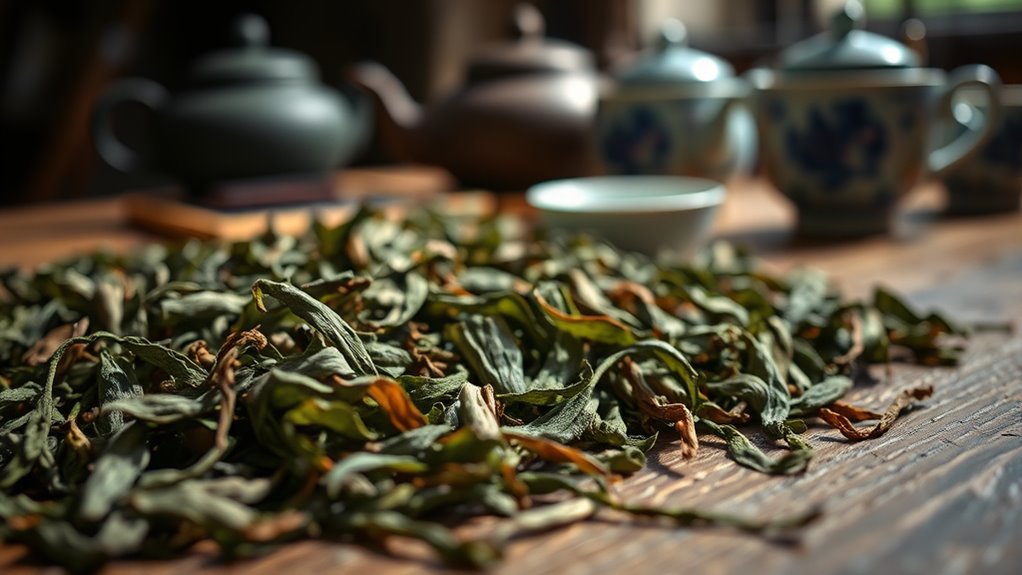
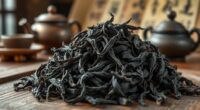
Oolong tea is a traditional Chinese beverage with a history that spans centuries, originating from regions like Fujian and Taiwan. It’s renowned for its complex flavors, which result from careful craftsmanship, including specific picking, oxidation, and roasting techniques. As you explore more, you’ll discover how oolong embodies cultural significance and artistry, connecting centuries of tradition with modern appreciation. Its rich heritage and unique processing make it a fascinating part of Chinese and Taiwanese tea culture.
Key Takeaways
- Oolong tea originates from Chinese culture with a rich history dating back centuries.
- It is a traditional Chinese tea that falls between green and black teas in processing.
- The tea’s unique flavors result from careful cultivation, handpicking, partial oxidation, and roasting.
- Mainly produced in China’s Fujian and Guangdong provinces and Taiwan, influenced by regional climate and soil.
- Oolong tea holds cultural significance in Chinese society, used in ceremonies and social gatherings over generations.

Have you ever wondered what makes oolong tea stand out among other tea varieties? It’s a fascinating blend of tradition, craftsmanship, and history that gives this tea its unique character. Oolong tea’s origins are deeply rooted in Chinese culture, and understanding its history offers a glimpse into the rich tapestry of tea cultivation and cultural significance that surrounds it. Unlike green or black teas, oolong falls somewhere in between, with a complex process that involves careful picking, withering, partial oxidation, and roasting. This meticulous production process has been refined over centuries, passed down through generations of tea artisans who take pride in their craft. Additionally, the specific Vetted – Flat Iron Bike techniques used in processing contribute to the distinctive qualities of different oolong varieties.
Oolong tea’s unique character stems from centuries of tradition, craftsmanship, and complex processing methods.
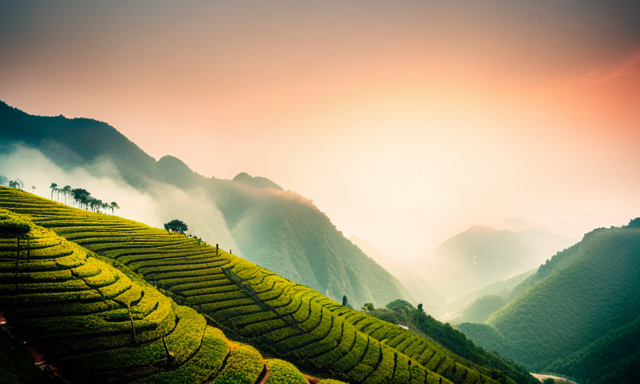
Tea cultivation plays a vital role in shaping oolong’s distinctive qualities. Grown mainly in China’s Fujian and Guangdong provinces, as well as Taiwan, the tea plants thrive in specific climates that influence their flavor profiles. The altitude, soil type, and weather conditions all impact the taste and aroma, making each region’s oolong subtly unique. Cultivators often handpick the tea leaves, selecting only the tender buds and young leaves to guarantee high quality. This labor-intensive process underscores the cultural significance of tea in these regions, where tea cultivation isn’t just a livelihood but a tradition woven into local identities. Enthusiasts and farmers alike see tea as a symbol of harmony and respect for nature’s gifts.
Historically, oolong tea has been cherished not just for its flavor but also for its social and cultural importance. It’s been a staple in Chinese society for centuries, often served during important ceremonies, gatherings, and as a gesture of hospitality. The precise steps involved in processing oolong—such as the gentle oxidation level and roasting—are viewed as a form of art, reflecting centuries of cultural refinement. These traditions have been preserved through the ages, keeping the cultural significance of oolong alive. In Taiwan, for example, oolong tea holds a special place in local customs, symbolizing hospitality, respect, and community bonding.
In essence, oolong tea’s history and origins reveal more than just a beverage; they showcase a rich cultural heritage that celebrates craftsmanship and respect for tradition. From the careful tea cultivation practices to its revered place in social rituals, oolong embodies a unique blend of history, artistry, and cultural pride. When you sip it, you’re not just tasting a complex flavor profile—you’re partaking in a centuries-old tradition that continues to thrive today.
Frequently Asked Questions
What Are the Health Benefits of Drinking Oolong Tea?
Drinking oolong tea offers several health benefits. You’ll benefit from its antioxidant properties, which help protect your cells from damage and may reduce inflammation. Additionally, oolong tea supports weight management by boosting your metabolism and aiding fat burning. Regularly enjoying this tea can also improve your mental alertness and promote heart health. So, incorporating oolong into your daily routine can enhance your overall well-being naturally.
How Is Oolong Tea Different From Green and Black Teas?
Oolong tea is like a flavor chameleon, sitting right between green and black teas. Its unique oxidation level, ranging from 10% to 70%, crafts a flavor profile that’s both floral and toasty, unlike the fresh grassiness of green or the robust boldness of black tea. You’ll notice its complex taste, making it stand out as a perfect bridge, offering the best of both worlds in every sip.
What Are the Traditional Methods of Processing Oolong Tea?
You process oolong tea using traditional methods that involve specific fermentation techniques and roasting methods. First, you wither the tea leaves to reduce moisture, then partially ferment them, which gives oolong its unique flavor. After fermentation, you carefully roast the leaves to enhance aroma and complexity. These steps require skill and precision, balancing fermentation and roasting to produce the distinct taste and aroma characteristic of authentic oolong tea.
Which Regions Are Famous for Producing High-Quality Oolong Tea?
You’ll find high-quality oolong tea mainly in regions like Fujian and Guangdong in China, and Taiwan. These areas excel in tea cultivation, where the terroir influence—climate, soil, and elevation—shapes the tea’s unique flavor profile. The combination of traditional methods and favorable conditions results in oolong teas that are rich, aromatic, and highly prized. So, if you seek premium oolong, these regions are your best bets.
How Should Oolong Tea Be Brewed for Optimal Flavor?
To brew oolong tea for ideal flavor, start with water at about 190-200°F. Use about one teaspoon of tea leaves per cup and steep for 1 to 3 minutes, depending on your taste preference. You can experiment with longer steepings for a richer flavor or shorter for a lighter taste. Keep in mind, controlling water temperature and steeping duration guarantees you enjoy the tea’s full aroma and complexity.
Conclusion
So, now you’re basically an oolong expert—ready to impress at tea parties or just casually drop facts at your next brunch. Remember, this ancient brew has more history than your favorite soap opera, so sip it wisely and pretend you’re a noble from centuries past. Who knew that steeping leaves could connect you to centuries of tradition? Cheers to adding a splash of sophistication—and a little satire—to your tea game!