
Modern innovations in hibiscus tea production and preparation focus on creating unique infusions with herbs like ginger and mint, enhancing flavor and health benefits. Sustainable farming methods, including organic practices and responsible water use, support eco-friendly cultivation. Advanced harvesting techniques and cold-drying preserve nutrients, while improved brewing and eco-conscious packaging minimize waste. These developments guarantee higher quality and wellness benefits, making your hibiscus tea experience better—keep exploring to discover all the exciting advancements.
Key Takeaways
- Adoption of advanced harvesting methods like selective hand-picking and cold-drying to preserve nutrients and improve quality.
- Development of herbal infusion techniques blending hibiscus with herbs to enhance flavor, aroma, and functional health benefits.
- Implementation of eco-friendly packaging, including biodegradable materials and controlled brewing systems, to reduce environmental impact.
- Utilization of vacuum-sealing and precise temperature control during brewing to optimize flavor extraction and nutrient retention.
- Promoting sustainable farming practices such as organic cultivation, crop rotation, and responsible water use to support eco-conscious production.
Hibiscus tea has long been celebrated for its vibrant color and invigorating taste, but recent innovations are transforming how we enjoy this ancient beverage. One of the most exciting developments is the shift toward herbal infusion techniques that enhance flavor profiles and health benefits. Modern producers are experimenting with blending hibiscus with herbs like lemongrass, ginger, and mint to create unique, aromatic teas that appeal to a broader audience. These herbal infusions not only elevate the sensory experience but also allow for functional benefits, such as improved digestion, immunity support, and relaxation. As a consumer, you now have access to a wider variety of hibiscus tea blends that cater to your individual preferences and wellness goals.
Another significant innovation centers around sustainable farming practices. As awareness of environmental impact grows, tea producers are adopting methods that prioritize eco-friendly cultivation. This includes organic farming, which avoids chemical pesticides and fertilizers, ensuring that the hibiscus you drink is free from harmful residues. Sustainable farming also involves responsible water use, soil conservation, and crop rotation to maintain soil health and biodiversity. These practices help reduce the carbon footprint of hibiscus cultivation and support local ecosystems. When you choose teas produced through sustainable farming, you’re not just enjoying a delicious beverage—you’re also supporting environmentally conscious agriculture that benefits farmers, communities, and the planet.
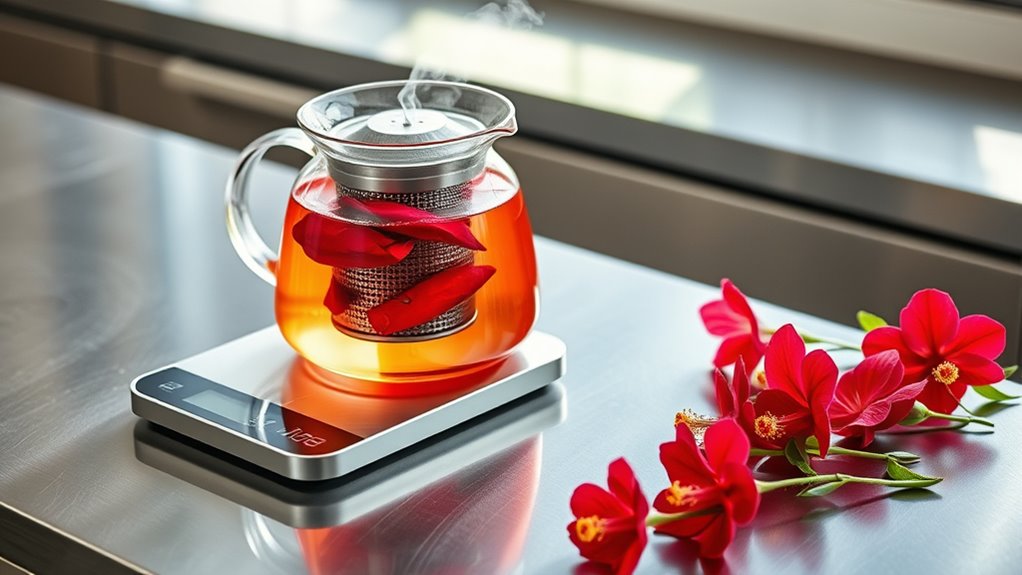
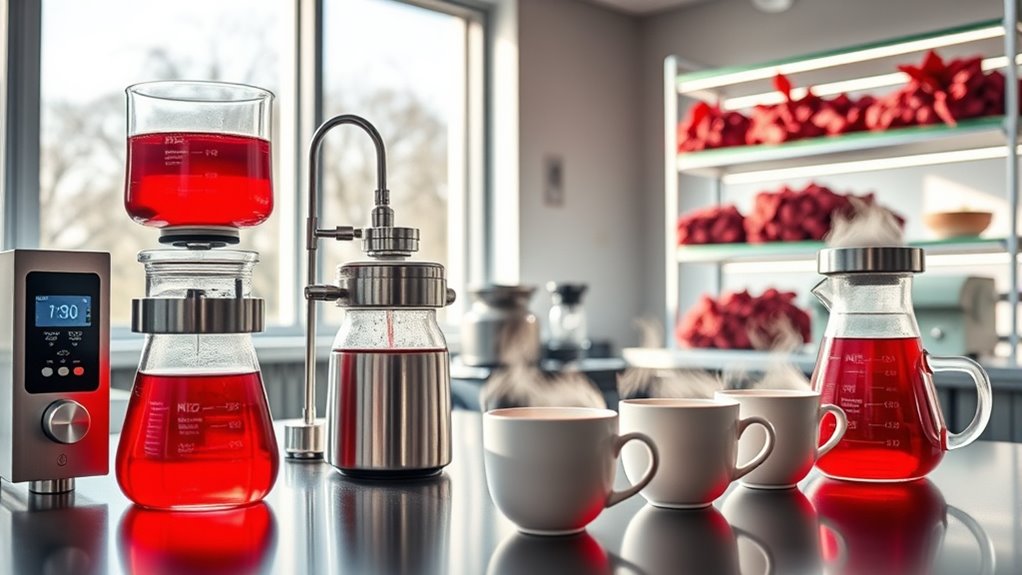
In addition, advances in harvesting and processing techniques have improved both the quality and consistency of hibiscus tea. Innovative methods like selective hand-picking ensure only the best flowers are used, leading to a more vibrant color and richer flavor. Cold-drying and vacuum-sealing technologies preserve the delicate antioxidants and nutrients in the hibiscus petals, extending shelf life and potency. These technical improvements make it easier for you to access high-quality products while ensuring that each cup delivers the full spectrum of health benefits associated with traditional hibiscus tea. Furthermore, precise temperature control during brewing can optimize extraction and flavor, making every cup more enjoyable and beneficial.
The packaging industry has also seen innovations, with biodegradable and recyclable materials becoming more common. This not only aligns with sustainable farming but also makes it easier for you to reduce waste. Some brands now offer pre-portioned tea bags or loose-leaf options in eco-friendly packaging, so you can enjoy your hibiscus tea without guilt.
Frequently Asked Questions
What Are the Best Storage Methods for Hibiscus Tea Leaves?
To keep hibiscus tea leaves fresh, store them in airtight containers to prevent moisture and air exposure. Place the containers in a cool, dark spot away from direct sunlight, heat, and humidity. Avoid storing them near strong-smelling items, as they can absorb odors. Proper storage extends shelf life and preserves flavor. Remember, using airtight containers and cool storage conditions are key to maintaining the tea’s quality.
How Do Different Brewing Temperatures Affect Flavor?
Think of brewing temperature as the sun’s warmth shaping a garden—too hot, and you risk scorching delicate flavors; too cool, and the richness remains hidden. Temperature influence is key, as it controls flavor extraction. For a bright, tangy burst, aim for higher temps around 200°F. For softer, more floral notes, lower temps around 180°F work best. Adjusting temperature lets you craft your perfect hibiscus tea experience.
Can Hibiscus Tea Be Used in Culinary Recipes?
Yes, you can definitely use hibiscus tea in culinary recipes. Its vibrant flower infusion adds a tart, fruity flavor to dishes like sauces, jams, and desserts. You might also incorporate brewed hibiscus into cocktails or salad dressings for a unique twist. Experimenting with hibiscus tea enhances your culinary applications, offering both flavor and striking color, making your dishes visually appealing and delicious.
Are There Sustainable Sources for Hibiscus Flowers?
Yes, you can find sustainable sources of hibiscus flowers through organic farming and fair trade sourcing. Look for brands that prioritize eco-friendly practices and support local farmers, ensuring the flowers are grown without harmful pesticides and harvested ethically. By choosing these options, you help promote sustainable agriculture, protect ecosystems, and support fair wages, making your hibiscus tea consumption more environmentally and socially responsible.
How Does Packaging Impact Tea Freshness and Quality?
Packaging plays a vital role in preserving hibiscus tea’s freshness and quality. You should look for packaging that offers preservation features like airtight seals and UV protection, which help retain the tea’s vibrant flavor and aroma. Proper packaging minimizes exposure to air, moisture, and light, ensuring freshness retention over time. When you choose well-designed packaging, you enjoy a flavorful, high-quality tea experience with every brew.
Conclusion
By embracing these modern innovations, you can enjoy hibiscus tea that’s more flavorful, convenient, and healthful than ever before. For example, new extraction techniques have increased antioxidant levels by up to 30%, making each cup even more beneficial. With these advancements, you’re empowered to craft perfect brews at home or explore new commercial options. So, stay curious and experiment—your perfect hibiscus tea experience is just a sip away!