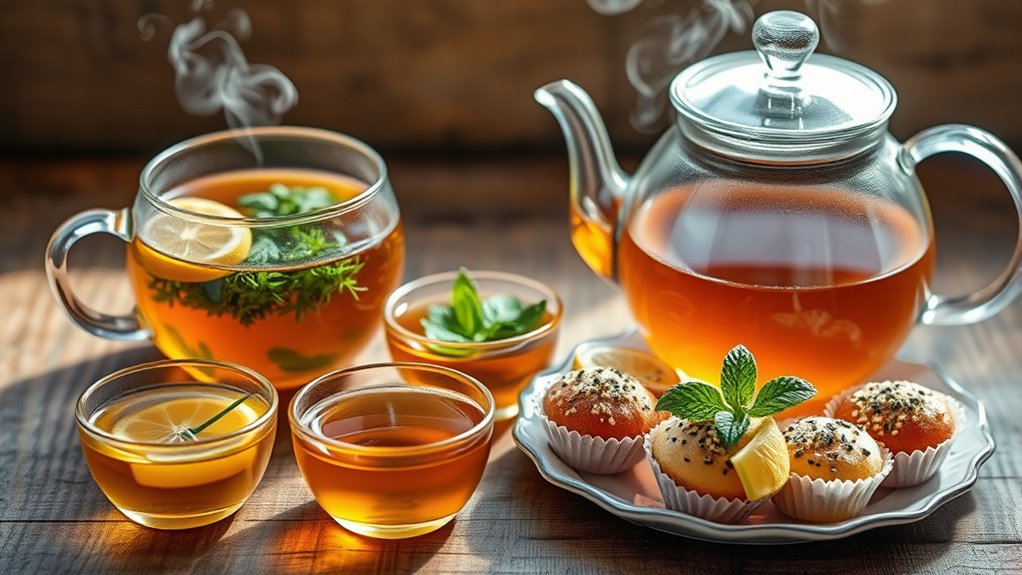
To create tea recipes tailored for health benefits, start with fresh, high-quality herbs and teas. Steep green teas at 175°F for 2-3 minutes to preserve antioxidants, while black teas need a rolling boil for 3-5 minutes. Add herbs like chamomile or peppermint for relaxation or digestion, and honey for extra soothing effects. Using filtered water and proper timing maximizes phytochemicals. Keep exploring for more tips to customize your health-boosting tea blends effectively.
Key Takeaways
- Combine herbs like chamomile, lavender, or peppermint with honey for calming teas promoting relaxation.
- Mix echinacea, elderberry, or ginger in tea infusions to support immune health.
- Use specific steeping times and temperature adjustments to maximize the release of active compounds.
- Incorporate organic herbs and filtered water to enhance purity and health benefits of teas.
- Tailor herbal blends and brewing methods to target individual health goals such as digestion or energy.
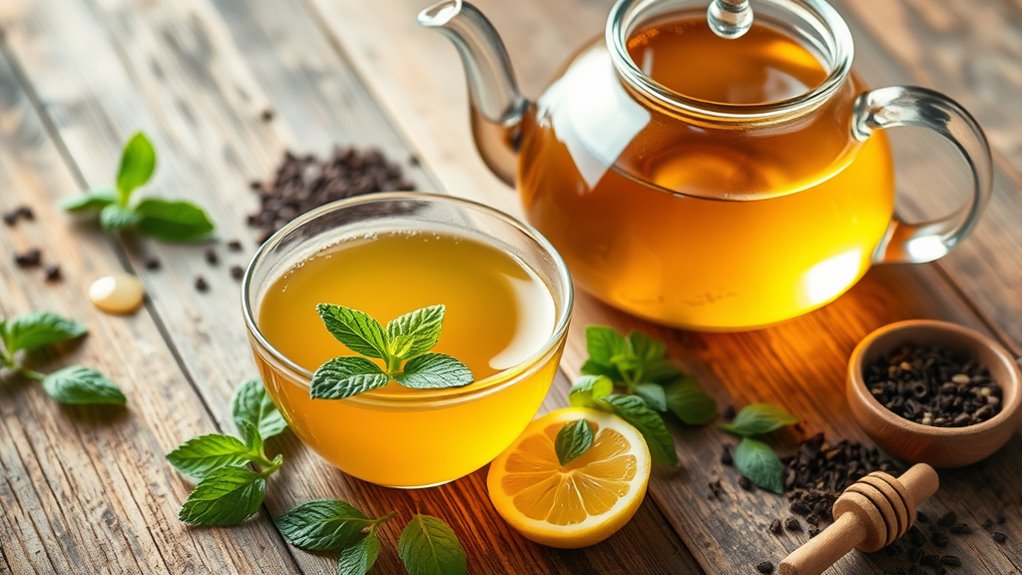
Tea has long been celebrated not only for its comforting taste but also for its numerous health benefits. When you focus on proper tea brewing, you unlock the full potential of your tea’s medicinal properties. The way you prepare your tea influences how well your body absorbs its active compounds, so paying attention to brewing time, water temperature, and tea quantity is essential. For herbal infusions, this becomes even more important because different herbs require specific steeping times and temperatures to release their beneficial phytochemicals effectively. Whether you’re making a calming chamomile or a revitalizing peppermint infusion, following precise brewing techniques ensures you maximize their health-promoting qualities.
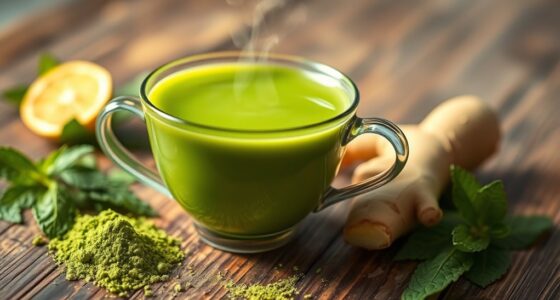
To craft a tea that supports your well-being, start with fresh, high-quality ingredients. When brewing traditional teas like green or black, avoid boiling water directly over delicate leaves, as too high a temperature can destroy delicate antioxidants. Instead, aim for water just below boiling for green tea, and a rolling boil for black tea. Infuse for the recommended time—usually 2 to 3 minutes for green and 3 to 5 minutes for black—to extract maximum flavor and health benefits. For herbal infusions, steep time varies widely depending on the herbs used. For example, chamomile flowers should steep for about 5 minutes to release calming compounds, while more robust herbs like ginger or turmeric might need 10 minutes or longer to fully infuse their anti-inflammatory properties.
Experimenting with herbal infusions allows you to tailor your tea for specific health goals. If you’re seeking relaxation, combine soothing herbs like lavender or chamomile with a touch of honey. To boost your immune system, add ingredients like echinacea or elderberry. For digestive health, try peppermint or fennel. The key is to understand how different herbs interact with water and how long they need to steep. The right brewing method helps preserve essential oils and active compounds that deliver health benefits. Additionally, hydration practices play a crucial role in how effectively your body can absorb these compounds, making it important to consume enough fluids throughout the day. Also, avoid over-steeping, which can lead to bitter flavors and diminish the herbal qualities you want to extract.
Finally, don’t forget that the temperature and steeping time are just part of the equation. Using clean, filtered water and choosing organic herbs when possible will further enhance the health benefits of your tea. By paying close attention to tea brewing techniques and exploring herbal infusions, you create personalized remedies that support your health naturally. With a little practice, you’ll develop a routine that turns each cup into a potent, healthful tonic tailored just for you.
Frequently Asked Questions
Can I Combine Different Teas for Enhanced Health Benefits?
Yes, you can combine different teas for enhanced health benefits through tea blending. By experimenting with flavor combinations, you not only create unique tastes but also potentially boost your health. For example, mixing green tea with ginger or peppermint can add antioxidants and anti-inflammatory properties. Just make certain the flavors complement each other and avoid overdoing it. This way, you enjoy a personalized, health-boosting tea experience tailored to your preferences.
Are There Specific Teas Recommended for Certain Health Conditions?
Ever wondered if certain teas target specific health issues? You should consider herbal infusions like chamomile for relaxation or ginger tea for digestion. Green tea is rich in tea antioxidants that may support heart health, while elderberry tea might boost your immune system. By selecting teas tailored to your needs, you harness their natural benefits, making each cup a purposeful step toward better health.
How Does Brewing Time Affect Tea’s Health Properties?
Brewing time directly impacts tea’s health benefits. Longer steeping duration releases more antioxidants and polyphenols, boosting health benefits, but can also increase caffeine and tannins, leading to bitterness. Maintain ideal steeping temperature based on tea type; green teas prefer lower temps, black teas higher. Adjust your brewing duration accordingly—shorter for delicate teas and longer for robust ones—to maximize health benefits without compromising flavor.
Can I Add Other Ingredients to Boost Tea’s Health Effects?
You can add ingredients like ginger, lemon, or honey to boost your tea’s health effects while enhancing flavor and encouraging enjoyable ingredient pairing. These additions not only amplify antioxidants but also create a harmonious harmony of health benefits and deliciousness. So, don’t hesitate to experiment with vibrant vegetables, fragrant spices, or fresh fruits to personalize your tea experience and pack a powerful punch of wellness.
Are Herbal Teas as Beneficial as Traditional Teas?
Herbal teas can be just as beneficial as traditional teas, despite herbal tea myths suggesting otherwise. Unlike traditional teas that originate from Camellia sinensis, herbal teas come from various plants and herbs, offering unique health benefits. You get antioxidants and calming effects from herbal infusions, making them a healthy choice. Remember, both types have their origins in different traditions, so enjoy a variety for overall health and wellness.
Conclusion
As you sip your tea-infused creations, you might find yourself unexpectedly feeling more energized and relaxed, almost as if the universe conspired to boost your well-being. These recipes not only delight your taste buds but subtly support your health journey. With each cup, you’re reminded that sometimes, the simplest ingredients can bring the most extraordinary benefits. So, next time you brew, remember—good health might just be a taste away, waiting quietly in your teacup.