
Across the globe, tea customs vary widely, from Japan’s mindful tea ceremonies to China’s intricate Gongfu rituals, and Britain’s leisurely afternoon tea. Middle Eastern cultures serve tea as an act of hospitality, while India’s spiced chai fosters community. Each region’s traditions reflect their history, values, and social bonds. If you want to learn more about where and when people sip tea worldwide, you’ll find fascinating details exploring these rich customs and timings.
Key Takeaways
- Different cultures have specific tea-drinking times, such as afternoon tea in Britain and traditional tea ceremonies in Japan and China.
- Tea rituals often align with daily routines, social gatherings, or religious practices across regions.
- Peak tea-sipping times vary, from morning chai in India to evening tea in the UK and afternoon ceremonies in Japan.
- Regional customs influence when and how tea is served, reflecting cultural values like hospitality, mindfulness, or social bonding.
- A global tea time map highlights diverse practices, emphasizing the cultural significance and timing of tea across the world.
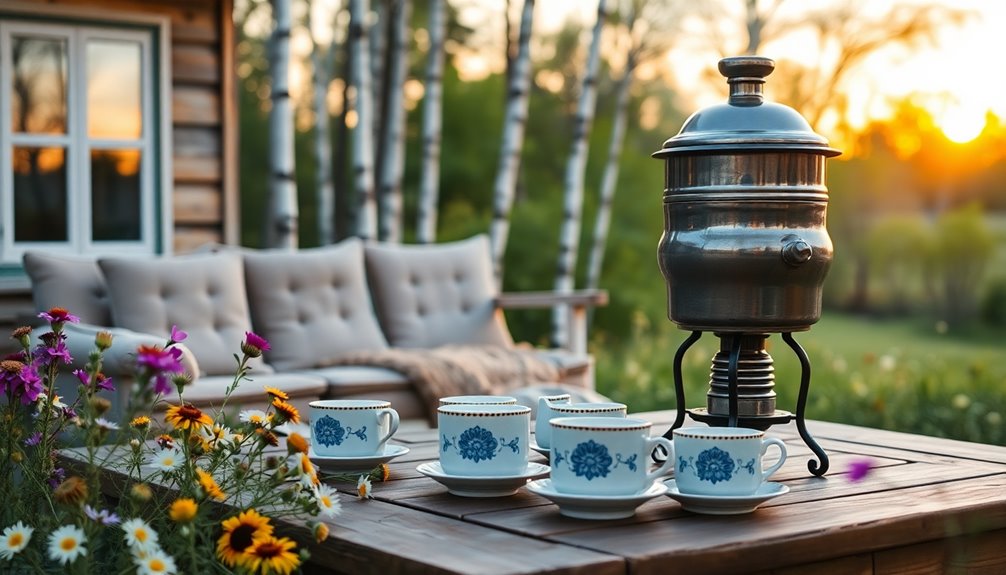
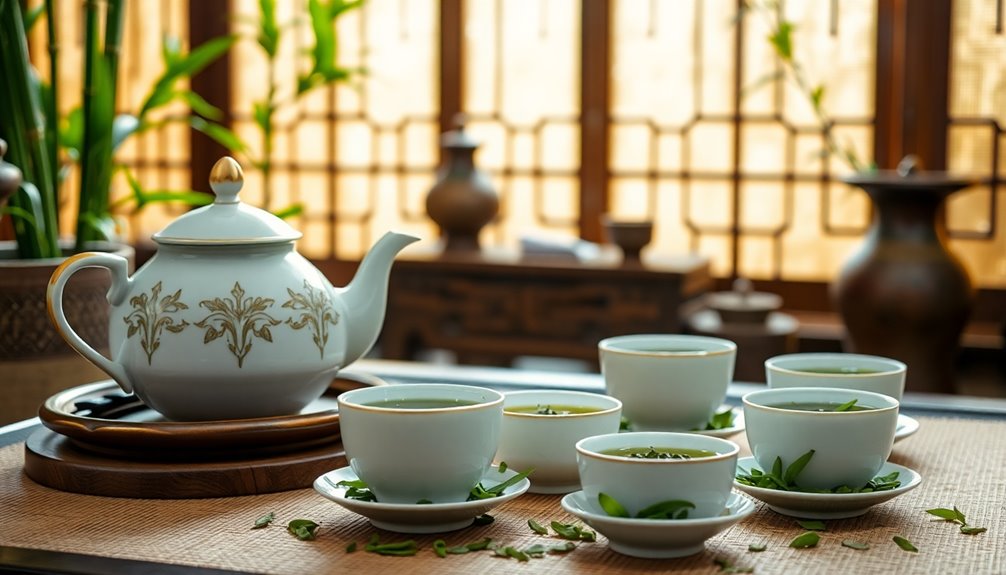
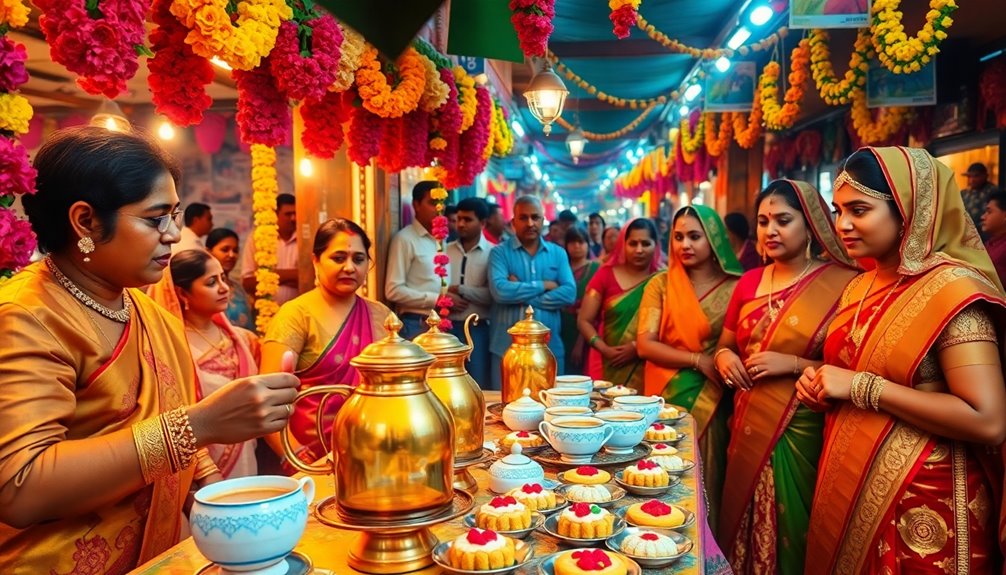
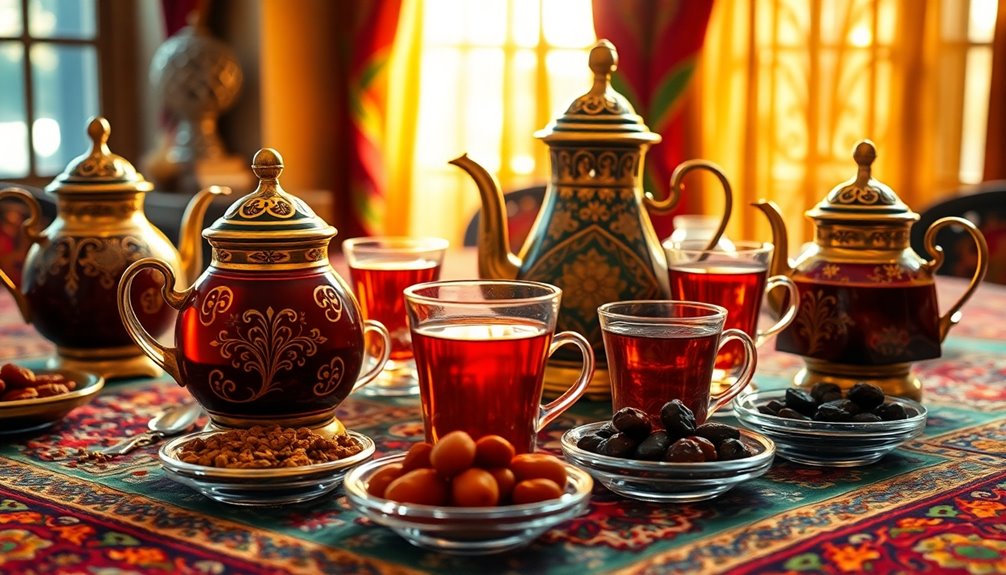
Tea isn’t just a beverage; it’s a global ritual that varies from country to country. When you think about tea, you might picture a simple cup, but in reality, each culture has its own unique tea rituals that reflect history, social norms, and traditions. These tea rituals aren’t just about drinking tea—they’re about connecting with others, honoring customs, and creating a sense of community. You’ll find that brewing customs differ vastly around the world, shaping how people prepare and enjoy their tea. For example, in Japan, the traditional tea ceremony, or chanoyu, emphasizes mindfulness, precision, and aesthetics. Here, every movement is deliberate, and the preparation becomes a spiritual act. The whisking of matcha powder with hot water, served in beautifully crafted bowls, isn’t just about taste; it’s about harmony and respect. Meanwhile, in China, tea brewing customs date back thousands of years, with Gongfu tea ceremonies highlighting skill and patience. You’ll use small teapots and cups, steeping the leaves multiple times to extract different layers of flavor. The focus is on enhancing the sensory experience, savoring each infusion. In Britain, afternoon tea is a social affair rooted in tradition. You’re likely to enjoy a pot of strong black tea paired with scones, clotted cream, and finger sandwiches. The ritual involves a leisurely pace, encouraging conversation and relaxation. Across the Middle East, the preparation of traditional mint or black tea is often a symbol of hospitality. You may pour the tea from a samovar or a tall teapot, serving it in small glasses, sometimes with sugar or mint leaves. The act of brewing and serving tea here is a gesture of warmth and generosity. In India, chai is a daily staple, brewed with spices like cardamom, cinnamon, and ginger. You might prepare it on a stove, simmering the tea with milk and sugar, then pouring it into glasses or mugs. The process is often informal, yet deeply ingrained in daily life, creating a communal atmosphere. As you explore these diverse customs, it becomes clear that tea rituals reveal much about each culture’s identity. The way people brew and serve tea isn’t just about taste; it’s about tradition, respect, and storytelling. The precise method of brewing and serving tea can also influence the overall experience and flavor. Whether it’s a precise Japanese tea ceremony or a lively Indian chai session, each ritual offers a glimpse into the soul of a society. When you participate or observe these customs, you’re not just drinking tea—you’re experiencing a world of history, artistry, and human connection.
Frequently Asked Questions
How Are Tea Time Traditions Evolving Globally?
You’ll notice that tea time traditions are evolving worldwide, blending old and new customs. Traditional tea etiquette and ceremonial practices remain important, but many cultures now incorporate modern twists, like casual gatherings or innovative flavors. You might see more diverse tea experiences, from fancy afternoon teas to relaxed chai breaks. This evolution reflects a shift towards personalization and inclusivity, making tea a versatile and cherished ritual across different societies.
What Are the Health Benefits of Different Teas Worldwide?
Imagine you’re in the Renaissance, sipping tea for energy. Different teas worldwide offer unique health benefits. Green and black teas are rich in tea antioxidants, boosting your immune system and improving focus. Herbal infusions like chamomile and mint soothe your nerves and aid digestion. By choosing a variety, you’re embracing a centuries-old tradition of wellness, harnessing nature’s gifts for your health and vitality every day.
How Does Climate Influence Regional Tea Varieties?
Climate zones play a key role in shaping regional tea varieties, as they influence crop adaptation. You’ll find that in cooler, high-altitude areas, teas like Darjeeling thrive, while warmer, humid regions favor black teas like Assam. These climate conditions determine leaf flavor, growth cycles, and quality. By understanding how climate zones impact crop adaptation, you can appreciate why different regions produce such unique and diverse teas worldwide.
Which Countries Have the Longest-Established Tea Cultures?
Did you know China and Japan have some of the oldest tea cultures, dating back over a thousand years? You can experience their rich traditions through intricate tea ceremonies and unique brewing techniques that highlight history and artistry. These countries’ longstanding tea cultures influence global appreciation, showing how deeply tea is woven into daily life and rituals. Their history invites you to explore how centuries of tradition shape modern tea practices worldwide.
Are There Any Emerging Tea Trends Globally?
You’ll notice exciting global tea trends emerging now, driven by tea innovation and sustainable brewing practices. More consumers seek unique flavors, herbal blends, and health benefits, pushing brands to experiment with new ingredients. Additionally, sustainability becomes key, with companies adopting eco-friendly packaging and ethical sourcing. These trends reflect a shift toward mindful consumption, blending tradition with modern values, making tea experiences more diverse and environmentally conscious around the world.
Conclusion
So, next time you think you’re a true tea connoisseur, just remember: your afternoon brew is probably just a copycat. While some countries take their tea seriously, others barely manage a sip without distraction. Whether it’s a ceremonial ritual or a rushed gulp, every culture’s got its own little tea drama. So, go ahead—raise your cup, toast to global sipping habits, and embrace the hilarious chaos that is our world’s tea obsession. Cheers!