To brew the perfect cup of flower tea, start with fresh, high-quality blossoms and rinse them gently to remove dust. Use water heated to around 190°F to 200°F, then steep the flowers for 3 to 5 minutes to release their delicate aroma without bitterness. Employ clear glassware to observe blooming and inhale the fragrant steam before sipping. For more tips on maximizing flavor and aroma, keep exploring these essential steps.
Key Takeaways
- Select fresh, high-quality, fragrant flowers like jasmine or chamomile free from chemicals.
- Rinse flowers gently and soak dried varieties in warm water to release aroma before brewing.
- Use water heated to 190°F–200°F (88°C–93°C) and steep for 3–5 minutes to preserve delicate flavors.
- Brew in a clear glass teapot or cup, observing blooming or infusion, and inhale steam to enhance sensory experience.
- Adjust flower quantity based on desired aroma intensity and focus on ambient environment to maximize aroma preservation.
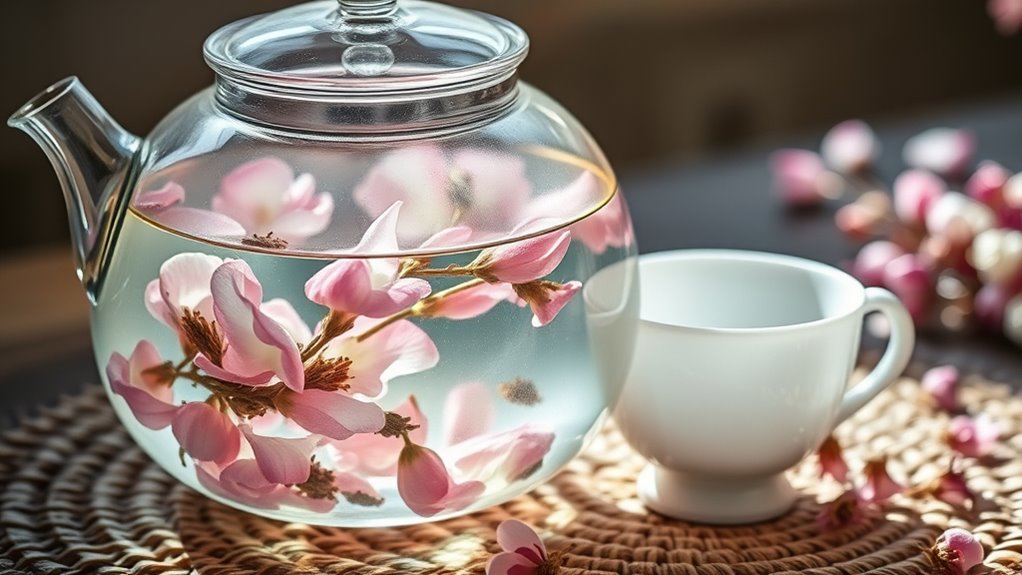
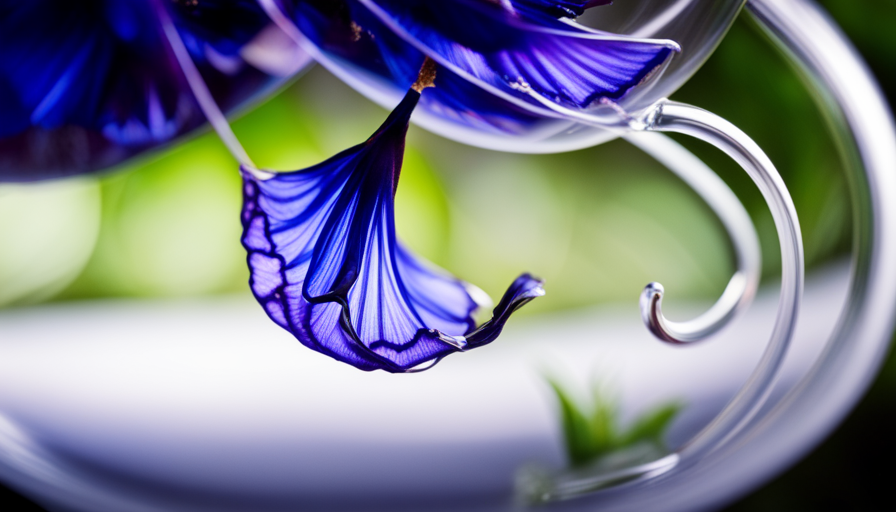
Flower tea offers a beautiful and fragrant way to enjoy your tea time, but brewing it properly guarantees you get the best flavor and aroma. The first step in this process is paying attention to your tea aroma, which is notably influenced by your flower selection. The right flowers can produce a delicate, inviting scent that enhances your overall tea experience. When choosing flowers, opt for fresh, high-quality blooms that are free from pesticides and chemicals. Look for flowers with vibrant colors and a strong, natural fragrance, as these indicators suggest they’ll release more aroma when steeped. Popular choices include jasmine, chamomile, hibiscus, and osmanthus, but your selection should align with your taste preferences and the kind of flavor profile you desire.
Once you’ve selected your flowers, it’s essential to prepare them properly. Rinse the flowers gently to remove any dust or residual particles, ensuring a clean brewing process. If you’re using dried flowers, consider soaking them in warm water for a few minutes to rehydrate and release their fragrance. Fresh flowers, on the other hand, can be added directly after rinsing. When brewing, the amount of flowers you use will influence both the aroma and flavor intensity. Typically, a small handful for a standard teapot is enough, but you can adjust based on your preference for a more or less fragrant cup.
Temperature plays a vital role in extracting the best aroma from your flower tea. Generally, water should be heated to just below boiling — around 190°F to 200°F (88°C to 93°C). Pouring this hot water over your flowers allows the delicate oils and aromatic compounds to be released without scorching the petals. Steeping time is equally important; usually, 3 to 5 minutes suffices for most flower teas. Longer steeping times can lead to bitter or overly strong flavors, overshadowing the subtle floral notes and diminishing the tea aroma. Additionally, using proper brewing techniques can help preserve the delicate floral qualities and prevent over-extraction.
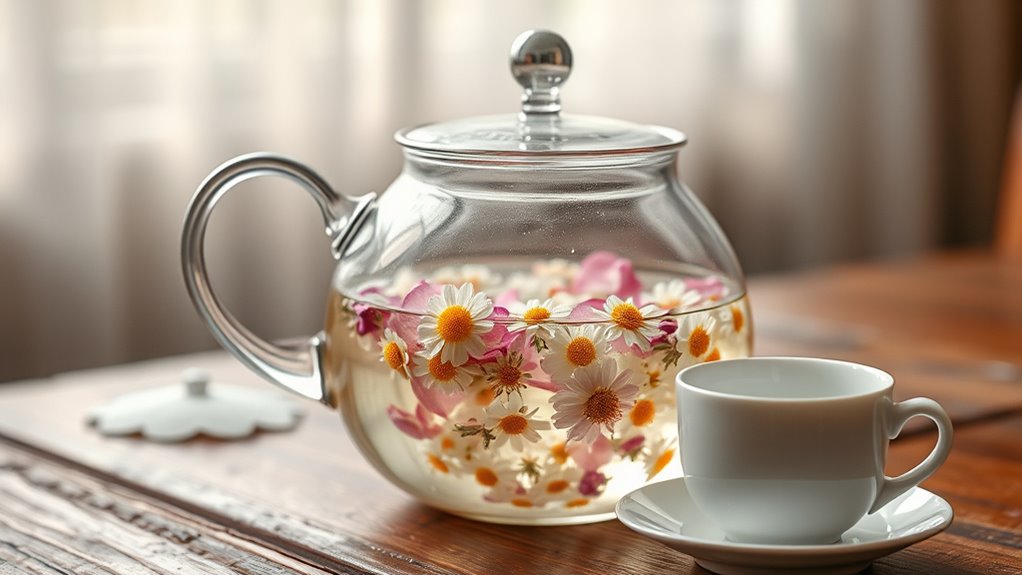
Pay attention to the brewing environment as well. Use a clear glass teapot or cup to observe the blooming or infusion process. This not only adds to the visual enjoyment but also allows you to gauge when the tea has reached its peak aroma and flavor. Once brewed, take a moment to inhale the fragrant steam before sipping. This enhances your sensory experience, letting you appreciate the full bouquet of floral scents. With thoughtful flower selection, careful brewing, and attention to detail, you’ll craft a cup of flower tea that’s as delightful in aroma as it is in taste.
Frequently Asked Questions
What Is the Best Type of Water for Brewing Flower Tea?
You should use high-quality, filtered water with balanced mineral content for brewing flower tea. Water quality directly impacts flavor, so avoid tap water with strong chlorine or impurities. Opt for mineral or spring water if possible, as their mineral content enhances the tea’s aroma and taste. Using clean, pure water guarantees your flower tea’s delicate floral notes shine through without any unwanted aftertastes.
How Long Can Brewed Flower Tea Be Stored Safely?
Storing sweet, steeped flower tea safely is simple. You should consume brewed tea within 24 hours for the best flavor and safety. To extend its shelf life, store it in an airtight container in the refrigerator. Proper tea storage prevents bacterial buildup and flavor fade. After a day, discard any leftover tea, as prolonged storage risks spoilage. Keep your tea fresh, flavorful, and safe by sipping it promptly!
Are There Health Benefits Associated With Specific Flower Teas?
Yes, certain flower teas offer notable health benefits. For example, chamomile provides herbal benefits like calming effects and improved sleep, while hibiscus is rich in antioxidants that support heart health and reduce inflammation. By including these teas in your routine, you can enjoy their natural antioxidant properties and herbal benefits, which may boost your overall well-being. Always choose high-quality flowers to maximize these health advantages.
Can Flower Tea Be Brewed Multiple Times Without Losing Flavor?
You can definitely enjoy flower tea multiple times without losing flavor, thanks to its reusability and flavor retention. As you steep, the delicate floral notes gradually mellow but remain, allowing you to savor several infusions. To maximize this, use slightly cooler water for subsequent brews and avoid over-steeping. With each cup, you get a new experience, making flower tea a versatile, flavorful choice that rewards your patience and attention.
What Are Common Allergies or Sensitivities Related to Flower Tea?
You might experience allergies or sensitivities to flower tea, especially if you’re prone to pollen allergies or have skin sensitivities. Some people notice allergic reactions like sneezing, itchy eyes, or skin irritation after drinking or handling it. To avoid these issues, check for any known allergies to specific flowers, and opt for high-quality, organic teas. Always start with a small amount to see how your body responds.
Conclusion
Remember, patience is a virtue, especially when brewing flower tea. Let the aroma settle and the flavors unfold gently, like a bloom opening to the sun. With careful attention and a little time, you’ll enjoy a cup that’s not just invigorating but a moment of serenity. So, take your time, embrace the process, and savor each sip—because sometimes, the simplest pleasures bloom into the most beautiful experiences.