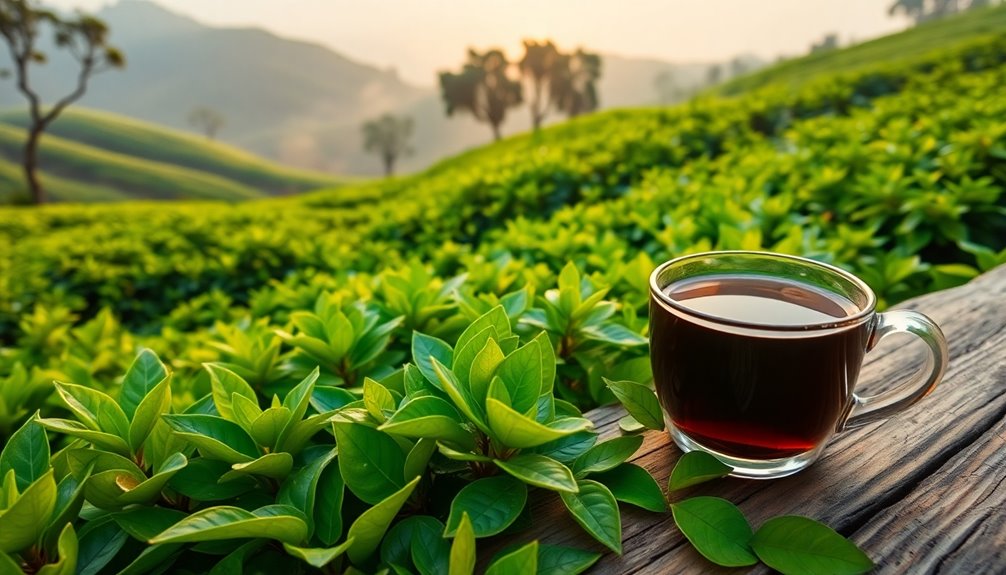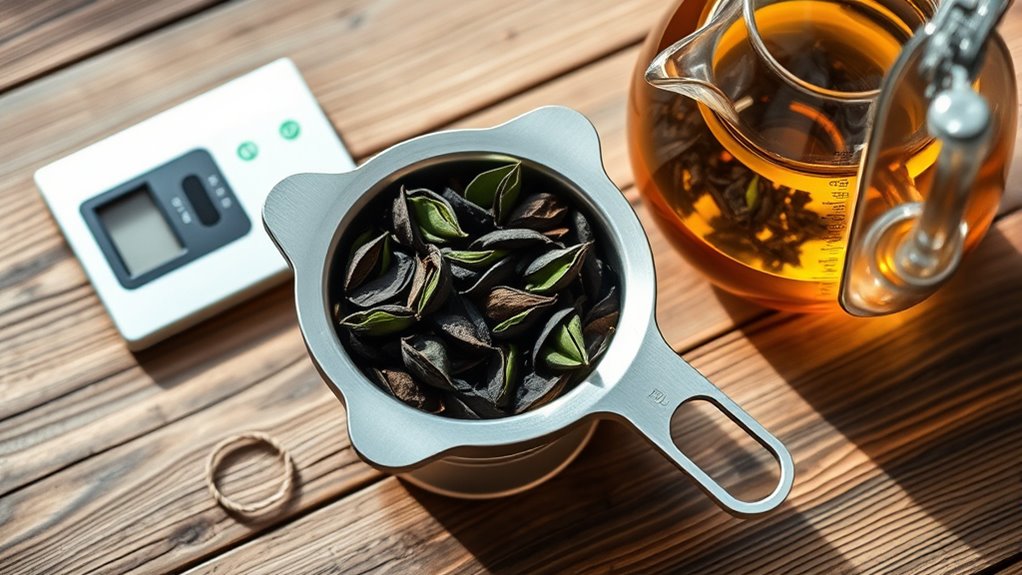
Modern innovations in black tea production and preparation include advanced technology for precise control of fermentation, temperature, and humidity, ensuring consistent quality. Automated systems help monitor and optimize each stage, from selective leaf picking to fixing and drying. Innovations also improve sorting, grading, and packaging, reducing variability and enhancing flavor profiles. These advancements maintain traditional craftsmanship while boosting efficiency. If you continue exploring, you’ll discover how these tech strides shape the perfect cup of black tea.
Key Takeaways
- Automated monitoring systems precisely control fermentation temperature, humidity, and timing to ensure consistent flavor development.
- Advanced sorting and grading technologies improve leaf selection quality and reduce processing variability.
- Controlled environment chambers optimize fermentation and drying, preserving flavor and color more effectively.
- Modern fixing/drying equipment offers uniform heat application, enhancing final product consistency and preventing over-fermentation.
- Integration of digital tracking and quality assurance tools enhances process transparency and product consistency throughout production.

Black tea production involves a carefully controlled process that transforms freshly plucked tea leaves into the rich, full-bodied beverage many enjoy worldwide. One of the most critical steps in this process is fermentation, which gives black tea its distinctive flavor and aroma. After harvesting, you start by selecting the right leaves, a step known as leaf selection. Choosing the best quality leaves ensures a consistent and high-quality final product. Typically, only the top two leaves and a bud are picked, as they contain the most flavor compounds. This careful selection is essential because it lays the foundation for the fermentation process to develop the tea’s characteristic complexity.
Once the leaves are harvested and selected, you need to wither them to reduce moisture content. This step makes the leaves pliable enough for rolling and helps initiate enzymatic activity. During the rolling process, the leaves are gently crushed to break the cell walls, releasing enzymes that kickstart fermentation. This is where the fermentation process truly begins. As the enzymes react with polyphenols in the leaves, the chemical changes produce the rich dark color and deepen the flavor. Proper fermentation is crucial; too short, and the tea may taste flat, too long, and it could become overly astringent. Modern innovations often involve precise temperature and humidity controls to optimize fermentation, guaranteeing consistency across batches.
Withering and rolling activate enzymes that transform tea leaves during fermentation for rich flavor development.
Advancements in technology now allow for more precise control over these stages. Automated systems monitor temperature, humidity, and fermentation time, reducing variability and enhancing flavor profiles. After fermentation, the leaves are heated to halt enzyme activity, locking in the desired characteristics. This step, known as fixing or drying, preserves the flavor and prevents over-fermentation. The final processing involves sorting, grading, and packaging, which also benefit from technological improvements that increase efficiency and quality control. Additionally, innovations like controlled fermentation environments help ensure each batch maintains consistent quality.
Throughout this process, leaf selection remains a cornerstone, influencing every subsequent step. Modern innovations focus on refining the initial picking and processing techniques to produce a more consistent and superior black tea. By controlling fermentation meticulously and using advanced equipment, producers can craft black teas that meet diverse consumer preferences. Whether you’re brewing a robust breakfast blend or a delicate floral variety, understanding these modern techniques helps appreciate the craftsmanship behind each cup. In the end, it’s this blend of traditional leaf selection and cutting-edge technology that allows you to enjoy a high-quality black tea experience every time.
Frequently Asked Questions
How Do Different Brewing Times Affect Black Tea Flavor Profiles?
When you adjust the steeping duration, it directly impacts the black tea’s flavor profile. A shorter steeping time yields a lighter, more delicate taste with less flavor extraction, while a longer steeping duration enhances the richness and complexity of flavors. However, over-steeping can lead to bitterness. Finding the right balance ensures you enjoy best flavor extraction, highlighting the tea’s aromatic notes without overpowering bitterness.
What Are the Latest Technological Advances in Black Tea Harvesting?
Imagine a new dawn in black tea harvesting where automation leads the way. You’ll see fields transformed as automated harvesting systems and drone technology take over, ensuring precise, efficient plucking of tea leaves. These innovations symbolize progress and sustainability, reducing labor costs and boosting quality. With drones flying overhead, you’ll enjoy a future where black tea production is smarter, faster, and more eco-friendly, elevating your tea experience to a whole new level.
How Do Climate Changes Impact Black Tea Quality and Production?
Climate change affects black tea quality and production by causing unpredictable weather patterns that can stress tea plants. You’ll need to focus on climate resilience and crop adaptation to maintain quality. As temperatures rise and rainfall varies, implementing resilient practices helps protect your crops, ensuring consistent quality and yield. Adapting to these changes is essential for sustaining black tea production amidst shifting climate conditions.
What Are Innovative Packaging Methods to Preserve Black Tea Freshness?
To preserve tea freshness, you should explore packaging innovations like vacuum-sealed pouches, airtight tins, and biodegradable materials that prevent exposure to air, light, and moisture. These packaging methods help maintain the flavor and aroma of black tea longer. By choosing innovative packaging, you guarantee your tea stays fresh, vibrant, and enjoyable, giving you a better brewing experience every time.
How Does Fermentation Influence the Health Benefits of Black Tea?
Fermentation enhances black tea’s health benefits by activating fermentation enzymes that boost antioxidant levels. When you consume fermented black tea, these enzymes help increase the production of antioxidants, which fight free radicals and support your overall health. The fermentation process also develops unique flavors and compounds that may improve digestion and boost your immune system. So, enjoying fermented black tea can give you added health advantages over non-fermented varieties.
Conclusion
Just as a master chef refines a timeless recipe, modern innovations in black tea turn tradition into art. By blending ancient techniques with cutting-edge technology, you become the artist shaping each cup’s story. Embrace these innovations as a brushstroke on your tea journey, transforming simple leaves into a masterpiece. So, step into this evolving landscape and craft your perfect brew—because in this world, every sip is a masterpiece waiting to be discovered.