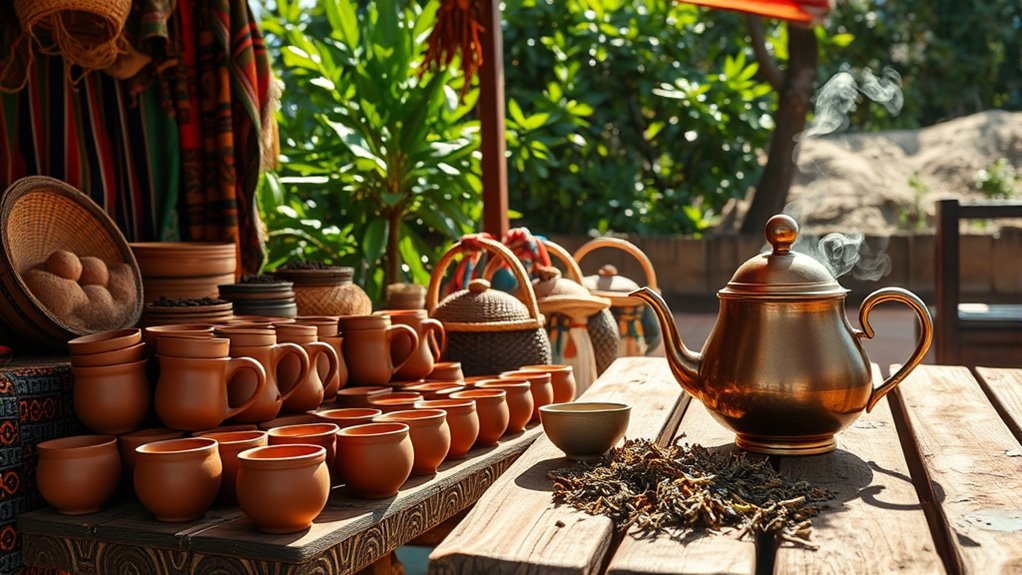

Many believe African tea is inferior or less sophisticated, but the truth is it has a rich history, bold flavors, and deep cultural significance. Countries like Kenya and Ethiopia use expert cultivation methods that produce high-quality, aromatic tea. African tea supports local economies and reflects important traditions. If you want to discover how this vibrant industry defies myths and showcases resilience and pride, there’s more to explore below.
Key Takeaways
- African tea has a rich history, cultural rituals, and social significance, contradicting myths of inferiority.
- Cultivation involves expert techniques tailored to diverse climates, producing bold flavors and high-quality teas.
- The industry supports local economies, employment, and regional development in African communities.
- Tea rituals and traditions reinforce cultural identity and community bonds across Africa.
- African tea is globally renowned for its aroma and taste, reflecting centuries of tradition and craftsmanship.
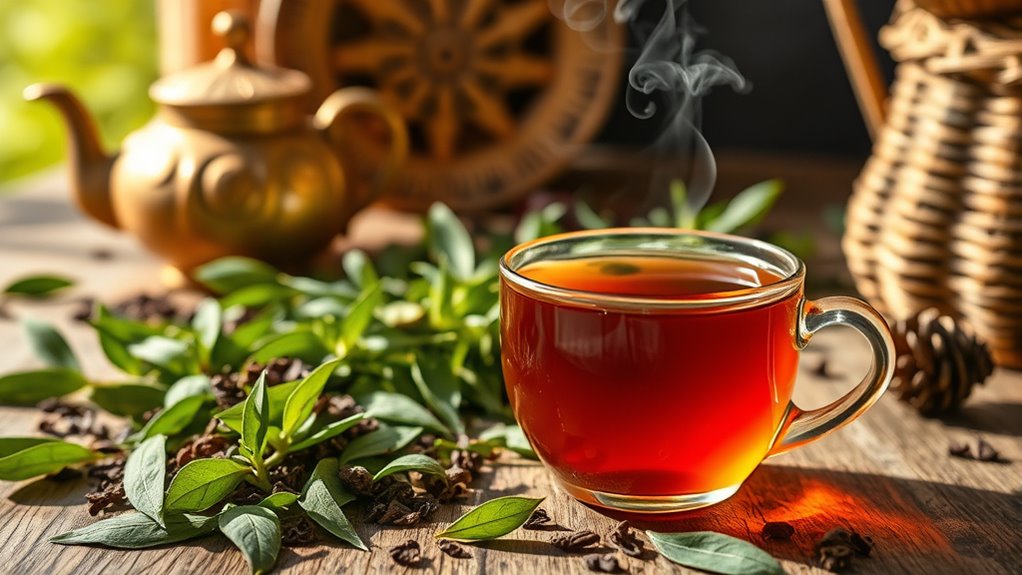
Have you ever wondered what truly sets African tea apart from other varieties? The answer lies in its unique history, cultivation methods, and cultural significance. Tea cultivation in Africa isn’t just about growing leaves; it’s a deeply rooted tradition that spans generations. Countries like Kenya, Ethiopia, and Tanzania have perfected the art of cultivating high-quality tea, utilizing specific techniques suited to their climates and terrains. This cultivation isn’t random—it’s a carefully managed process that involves selecting the right tea varieties, maintaining proper plucking standards, and employing sustainable farming practices. The result is a product that is renowned worldwide for its bold flavors and robust aroma. Many people assume that African tea is just another variety among many, but it’s far more than that. Its cultivation practices are often intertwined with local economies and communities, making it a crucial part of regional development.
Moreover, the cultural significance of African tea runs deep. It’s not merely a beverage; it’s a symbol of hospitality, social bonding, and tradition. In many African communities, serving tea is a gesture of respect and friendship. It’s often part of ceremonies, gatherings, and daily routines that reinforce community ties. For example, in Ethiopia, the traditional coffee and tea ceremonies are elaborate rituals passed down through generations, emphasizing the importance of sharing and connection. In Kenya, tea is a staple that sustains not just individual households but entire villages, representing a source of pride and identity. The rituals surrounding tea preparation and consumption are often steeped in history, reflecting the values and social structures of these societies.
People also tend to overlook the fact that African tea has played a role in shaping cultural identities. It’s more than just a crop; it’s woven into the fabric of daily life, festivals, and cultural expressions. This cultural significance enhances the perception of African tea beyond its taste, elevating it as a symbol of resilience and tradition. It’s worth recognizing how these cultural practices influence the global appreciation of African tea, giving it a distinctive status among the world’s tea varieties. While myths might suggest that African tea is inferior or less refined, the reality is that it embodies centuries of tradition, expert cultivation, and cultural pride—elements that make it truly exceptional in the global tea landscape.

Heavenly Kenyan Black Tea – 100 Tea Bags (150g) | High Grown Premium Black Tea Packed in Kenya – Strong, Full-Bodied Flavor
Authentic Kenyan Black Tea – Sourced from the high-altitude tea gardens of Kenya, known worldwide for producing some…
As an affiliate, we earn on qualifying purchases.
As an affiliate, we earn on qualifying purchases.
Frequently Asked Questions
Is African Tea Better Than Teas From Other Regions?
African tea isn’t necessarily better than teas from other regions, but it offers a unique taste and cultural significance you won’t find elsewhere. Its regional flavor reflects the local climate and soil, giving each sip a distinctive character. When you enjoy African tea, you connect with the rich traditions and history behind it. So, whether it’s better or not, it provides an authentic experience that’s worth exploring for its cultural depth and vibrant flavors.
Are There Any Health Risks Associated With African Tea?
Think of African tea as a vibrant river—powerful but requiring respect. While it offers health benefits, you should be aware of health concerns like caffeine content, which might cause jitters or sleep issues if consumed excessively. Moderation is key. If you’re sensitive to caffeine, consider limiting intake or choosing herbal varieties. Enjoy the rich flavors responsibly, and you’ll reap its benefits without risking health risks.
How Is African Tea Traditionally Harvested and Processed?
You’ll find that traditional harvesting involves plucking tea leaves by hand, often early in the morning when leaves are freshest. Processing methods vary but typically include withering, rolling, fermentation, and drying, which bring out distinct flavors. In African regions, some producers still use age-old techniques, combining modern methods with traditional practices to preserve unique taste profiles. This careful approach guarantees high-quality tea that captures the essence of local craftsmanship.
Can African Tea Be Used for Medicinal Purposes?
African tea is like a well-kept secret in a garden of traditional healing. You can use it for medicinal purposes, especially as herbal remedies that have been part of cultural practices for generations. Many believe it helps soothe ailments, boost immunity, and promote wellness. While scientific evidence varies, incorporating African tea into your traditional healing routine can offer natural benefits, making it a valuable addition to your medicinal toolkit.
What Are the Most Popular African Teas Worldwide?
You’ll find that popular African teas like Rooibos, a caffeine-free variety, and Kenyan black tea are celebrated worldwide. These tea varieties hold deep cultural significance, representing tradition and heritage. Rooibos, known for its health benefits, and Kenyan teas, famous for their bold flavors, are enjoyed globally. Their cultural importance and unique flavors make them favorites, showcasing Africa’s rich tea heritage on the international stage.
Ethiopian Tilet 14-Piece Porcelain Tea Set with Metal Stand, Traditional Gold and Blue Pattern, White
COMPLETE SET: 14-piece porcelain tea set includes teapot, cups with matching saucers, and a sturdy metal display stand…
As an affiliate, we earn on qualifying purchases.
As an affiliate, we earn on qualifying purchases.
Conclusion
Don’t let doubts deceive you—African tea is rich in history, health, and harmony. By busting myths and embracing facts, you reveal its true potential. So sip, savor, and celebrate the story behind every brew. Feel the flavor, foster the fascination, and find fulfillment in this fabulous, fascinating beverage. Let go of misconceptions and grasp the genuine greatness of African tea—where tradition and taste come together to create a mesmerizing cultural cascade.

Lescafita African Lady Candle Holder Set of 3 – Resin Figurines with Gold Bowls for Tea Light or Small Pillar Candles – Decorative African Women Statues for Home, Shelf, or Table Centerpiece
🌍【Handcrafted African Elegance】 Each candle holder figurine captures the spirit of African culture through black resin bodies adorned…
As an affiliate, we earn on qualifying purchases.
As an affiliate, we earn on qualifying purchases.

Mighty Leaf Organic African Nectar Tea, Rooibos Herbal Blend with Fruity Notes, 1.32 oz (Pack of 1)
Spread seasonal cheer with a versatile gift crafted for holiday and christmas gifting; a reliable choice that brings…
As an affiliate, we earn on qualifying purchases.
As an affiliate, we earn on qualifying purchases.