

African tea has a rich history rooted in the continent’s diverse climates and cultural traditions. Countries like Kenya, Ethiopia, and Tanzania grow tea in lush highlands with fertile soils, influencing flavor and quality. Tea plays a essential role socially and culturally, symbolizing hospitality and community bonds. Over time, African teas have gained international recognition for their unique tastes and strong character. If you continue exploring, you’ll discover even more about the fascinating origins and cultural significance behind African tea.
Key Takeaways
- Tea cultivation in Africa dates back centuries, with traditional farming methods blending with modern techniques.
- Kenya, Ethiopia, and Tanzania are key countries known for their high-quality tea production.
- African teas are influenced by unique topography and fertile soils, shaping distinct flavors and aromas.
- Tea holds cultural importance, symbolizing hospitality and social bonding in many African communities.
- International recognition highlights Africa’s diverse teas, from bold black to aromatic varieties, reflecting rich heritage.

Have you ever wondered what makes African tea unique? It’s a fascinating blend of history, geography, and culture that sets it apart from teas produced elsewhere. The story begins with tea cultivation, a process deeply rooted in the continent’s diverse climates and fertile soils. Countries like Kenya, Ethiopia, and Tanzania have become renowned for their tea plantations, where the climate fosters rapid growth and high-quality leaves. These regions have perfected the art of tea cultivation, combining traditional farming methods with modern techniques to produce vibrant, flavorful teas. The lush highlands provide the ideal environment for tea bushes to thrive, resulting in leaves that are often more robust and aromatic than those from other parts of the world. As you explore African tea, you’ll notice how the land’s unique topography influences the taste and character of each brew, giving it a distinctive identity.
But African tea isn’t just about the leaves—it’s about the cultural significance woven into everyday life. For many communities, tea is more than a beverage; it’s a symbol of hospitality, social bonding, and tradition. In countries like Kenya and Ethiopia, serving tea is an essential part of welcoming guests, a gesture that expresses warmth and respect. You’ll see locals gathering over steaming cups, sharing stories and strengthening bonds, which highlights how tea acts as a social glue. This cultural significance extends beyond individual homes into larger societal rituals and ceremonies, where tea often plays a central role. It’s common to find traditional ceremonies or community events dedicated to the preparation and enjoyment of tea, reflecting its importance in maintaining cultural identity. The way tea is prepared, served, and consumed varies from place to place, often involving rituals passed down through generations. These customs enrich the cultural tapestry of Africa, making each cup a reflection of history and community. Additionally, the influence of local customs and the land’s fertile conditions contribute to the distinctive flavors found in African teas.
In addition to its social and cultural roles, African tea has gained recognition globally for its quality and unique flavors. The blend of local customs and ideal growing conditions results in teas that are both diverse and distinctive. Whether it’s a strong, brisk black tea from Kenya or a fragrant, aromatic variety from Ethiopia, each sip offers a taste of the continent’s rich heritage. So, when you enjoy African tea, you’re not just drinking a beverage—you’re experiencing a tradition that has been cultivated, cherished, and celebrated for centuries. It’s a perfect example of how nature and culture come together to create something truly special.
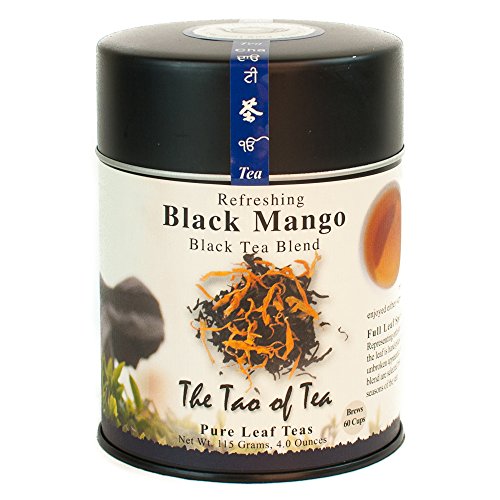
The Tao of Tea, Black Mango Black Tea, Loose Leaf, 4 Ounce Tin
4-ounce tin
As an affiliate, we earn on qualifying purchases.
As an affiliate, we earn on qualifying purchases.
Frequently Asked Questions
What Are the Health Benefits of African Teas?
African teas offer numerous health benefits. You’ll find herbal antioxidants that boost your immune system and fight free radicals. Drinking these teas can also support digestion and reduce inflammation. Traditionally, Africans use certain teas as remedies for ailments, making them part of age-old remedies. Incorporating African teas into your routine may improve your overall well-being, thanks to their natural healing properties rooted in centuries of traditional remedies.
How Is African Tea Cultivated Differently From Others?
You’ll notice African tea cultivation differs through traditional techniques like hand tea harvesting, ensuring quality leaves. Local farmers often use sustainable practices during plant processing, such as sun-drying and minimal chemical use, preserving unique flavors. These methods contrast with industrialized approaches elsewhere. By focusing on careful tea harvesting and natural plant processing, African teas develop distinctive profiles, making them highly valued worldwide.
Which African Countries Are the Top Tea Producers?
You’ll find Kenya, Ethiopia, and Tanzania as top African tea producers, where vast tea plantations thrive. These countries use traditional harvesting methods, often hand-picking tea leaves to guarantee quality. The tea plantation landscapes are lush and well-maintained, supporting consistent production. If you visit, you’ll see workers carefully plucking leaves early in the morning, highlighting the region’s rich tea culture and commitment to high-quality tea.
What Unique Flavors Distinguish African Tea Varieties?
Imagine tasting a journey through Africa’s diverse landscapes. You’ll notice flavor profiles like the bright, citrusy notes from Kenyan teas, reminiscent of sunrise over savannahs. In contrast, South African Rooibos offers a sweet, nutty warmth, like a cozy fire. Regional distinctions create these unique flavors, making each variety a reflection of its environment. You’ll find that African teas invite you to explore a rich tapestry of tastes and aromas.
How Has African Tea Influenced Global Tea Markets?
You see, African tea has considerably influenced global tea markets through its expanding tea exports, which meet rising demand worldwide. As you follow global market trends, you’ll notice African regions like Kenya and Ethiopia becoming key players, offering high-quality teas that shape consumer preferences. This growth boosts economies and encourages innovation in processing techniques, ultimately making African teas more prominent and competitive on the international stage.

Ethiopian Tilet 14-Piece Porcelain Tea Set with Metal Stand, Traditional Gold and Blue Pattern, White
COMPLETE SET: 14-piece porcelain tea set includes teapot, cups with matching saucers, and a sturdy metal display stand…
As an affiliate, we earn on qualifying purchases.
As an affiliate, we earn on qualifying purchases.
Conclusion
As you sip your tea today, imagine explorers with smartphones in hand, charting Africa’s lush plantations long before the internet existed. The rich history and vibrant origins of African tea remind you that this ancient brew has traveled through time, connecting past and present. So, next time you enjoy a cup, think of it as a timeless gift, bridging centuries like a perfectly brewed story that’s always ready to be shared.

Heavenly Kenyan Black Tea – 100 Tea Bags (150g) | High Grown Premium Black Tea Packed in Kenya – Strong, Full-Bodied Flavor
Authentic Kenyan Black Tea – Sourced from the high-altitude tea gardens of Kenya, known worldwide for producing some…
As an affiliate, we earn on qualifying purchases.
As an affiliate, we earn on qualifying purchases.

AFRICAN PRIDE – Ginger Tea – Tanzania – Herbal Tea – 25 Tea Bags With String and Tag – 50g
GINGER TEA BAGS: This herbal tea, made out of ginger root, is naturally noncaffeinated. Enjoy a relaxing moment…
As an affiliate, we earn on qualifying purchases.
As an affiliate, we earn on qualifying purchases.