
Many claims about turmeric tea’s health benefits are exaggerated or based on limited evidence, so don’t expect it to be a miracle cure. While it offers anti-inflammatory and antioxidant properties, its effects are modest and best supported as part of a balanced lifestyle. Avoid falling for myths that it can cure diseases overnight. Continue discovering the facts about turmeric tea to understand how it can fit safely into your wellness routine.

Get coffee and tea gear delivered free with Prime
- Fast, free delivery on millions of items
- Prime Video, Amazon Music and more included
- Member-only deals all year
Key Takeaways
- Many claims over turmeric tea’s health benefits are exaggerated; it should complement, not replace, a balanced diet.
- Its anti-inflammatory effects are supported by some evidence, but no miracle cures are proven.
- Combining turmeric with black pepper significantly enhances its absorption and effectiveness.
- Excessive consumption may cause gastrointestinal discomfort or allergic reactions.
- Always consult healthcare providers before using turmeric tea to avoid interactions with medications.
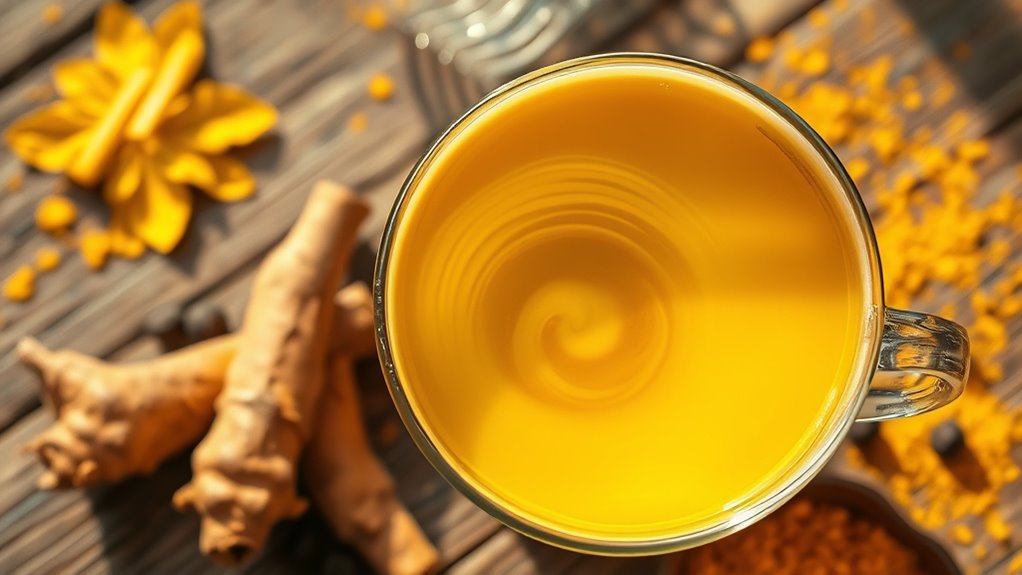
Have you ever wondered if turmeric tea is truly the health remedy it’s claimed to be? Many people are curious about its touted benefits, but it’s important to understand both the facts and the myths surrounding this popular beverage. Turmeric tea is often praised for its anti-inflammatory and antioxidant properties, which can support immune health, reduce joint pain, and improve digestion. However, knowing the benefits and side effects is vital before making it a regular part of your routine. While turmeric is generally safe for most, some individuals might experience side effects like stomach upset, allergic reactions, or interactions with medications. It’s wise to consult a healthcare professional if you’re on blood thinners or have underlying health conditions. When it comes to preparation and recipes, making turmeric tea is simple and versatile. You can start with fresh turmeric root or turmeric powder, boiling it with water and adding ingredients like black pepper, ginger, honey, or lemon to enhance flavor and absorption. Many recipes emphasize adding black pepper because it contains piperine, which markedly boosts turmeric’s bioavailability, making the benefits more accessible to your body. You might also find recipes that incorporate coconut milk or almond milk for a creamy texture, turning your tea into a soothing, nutritious drink. Preparing turmeric tea is quick—just simmer the ingredients for about 10 minutes, strain, and enjoy. Drinking it regularly can help you tap into its potential health benefits, but moderation remains key, as excessive consumption might lead to gastrointestinal discomfort or interfere with certain medications. It’s worth noting that some of the claims about turmeric tea are exaggerated or based on limited evidence, so don’t expect miraculous cures. Instead, view it as a complementary addition to a balanced diet and healthy lifestyle. If you’re new to turmeric tea, start with small amounts to gauge how your body responds, and be mindful of the side effects that may arise. Additionally, understanding potential risks in adopting new payment technologies can help you make more informed health choices and avoid unnecessary complications. While it can be a comforting and healthful beverage, relying solely on turmeric tea for health improvements isn’t advisable. Instead, combine it with other nutritious habits, such as eating a variety of fruits and vegetables, staying hydrated, and exercising regularly. By understanding both the benefits and side effects, and learning how to prepare it properly, you can enjoy turmeric tea as part of an informed approach to wellness. Remember, no single food or drink is a magic solution, but turmeric tea can be a flavorful, healthful addition to your daily routine when used wisely.
As an affiliate, we earn on qualifying purchases.
Frequently Asked Questions
Can Turmeric Tea Replace Medication for Chronic Illnesses?
Turmeric tea can’t replace medication for chronic illnesses, but it can support natural healing and provide herbal benefits. It may help reduce inflammation and boost your immune system, yet it shouldn’t be your primary treatment. Always talk to your healthcare provider before making changes to your medication regimen. Incorporating turmeric tea into your routine can complement your overall wellness, but it’s not a substitute for professional medical advice or prescribed treatments.
Is Turmeric Tea Safe During Pregnancy and Breastfeeding?
Turmeric tea is generally safe during pregnancy and breastfeeding when consumed in moderation, but you should always consult your healthcare provider first. During pregnancy, excessive intake might cause complications, and breastfeeding concerns include potential allergic reactions or digestive issues for your baby. Stick to small amounts, avoid high doses, and seek personalized advice to guarantee both your pregnancy safety and the well-being of your nursing infant.
How Much Turmeric Tea Should I Drink Daily?
Think of your daily turmeric tea intake as tuning a delicate instrument—you don’t want to overplay or underplay. Generally, the recommended serving is about 1 to 2 cups a day, which aligns with a daily intake of roughly 500 to 1000 milligrams of curcumin. Stick to this range, and your body will thank you, harmonizing health benefits without overloading your system.
Does Turmeric Tea Interact With Common Medications?
Turmeric tea can interact with common medications, so you should be cautious. It may affect drug interactions, especially blood thinners and diabetes medications. Always consider dosage considerations; drinking too much could increase the risk of side effects. Before adding turmeric tea to your routine, consult your healthcare provider to ensure it’s safe and won’t interfere with your medications or health conditions.
Can Turmeric Tea Help With Weight Loss Effectively?
Turmeric tea can support your weight management efforts, but it’s not a magic solution. While it offers herbal benefits like reducing inflammation and boosting metabolism, you need to combine it with a healthy diet and exercise for effective weight loss. Relying solely on turmeric tea won’t produce significant results; instead, view it as a helpful supplement within a balanced lifestyle to enhance your overall health and weight management goals.
Conclusion
In the world of wellness, turmeric tea stands as a shining beacon of health benefits, but don’t let myths cloud your judgment. Remember, no single drink can cure all ailments overnight—though it’s almost as powerful as a magic potion. Stay informed and enjoy turmeric tea for what it truly offers: a flavorful, natural boost to your well-being. With knowledge in hand, you’re equipped to elevate your health journey beyond mere myth and into reality.
Halloween Picks
halloween
As an affiliate, we earn on qualifying purchases.