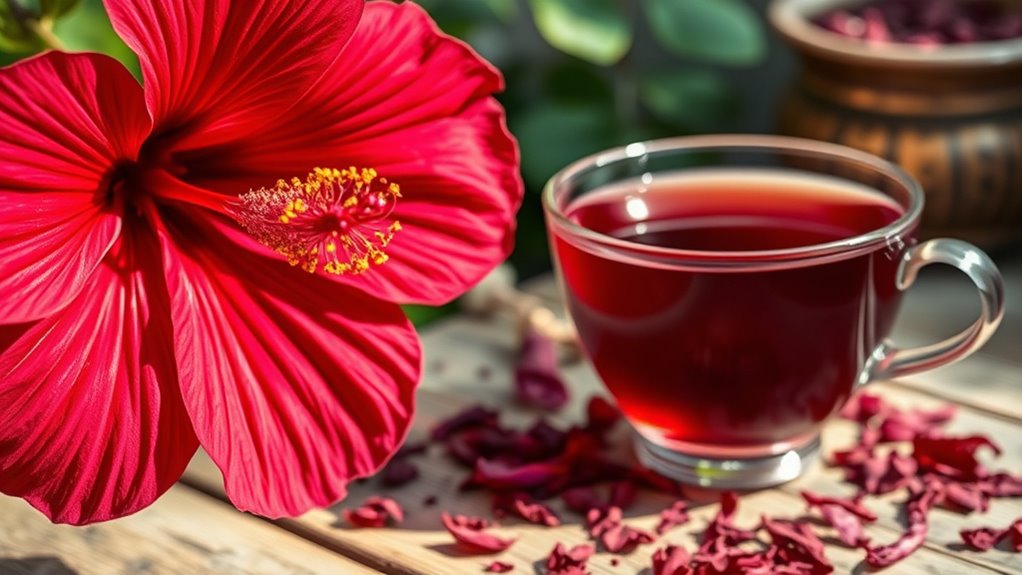
Hibiscus tea has a long history across Africa, Asia, and the Caribbean, where it’s been enjoyed for centuries for its vibrant color, tangy flavor, and health benefits. Cultures like Egypt, Sudan, and West African communities have used it in traditional beverages and medicines. Its popularity has grown globally, blending tradition with wellness. If you want to uncover more about its fascinating background and cultural significance, there’s plenty more to explore.
Prime for Young Adults — start your free trial
Fast free delivery, streaming and member deals for eligible 18–24 year olds.
As an affiliate, we earn on qualifying purchases.
Key Takeaways
- Hibiscus tea has been consumed for centuries across Africa, Asia, and the Caribbean, valued for its vibrant color and health benefits.
- It originated in regions like Egypt, Sudan, and West Africa, where it was used medicinally and culturally.
- The beverage is made from dried hibiscus petals, traditionally brewed as part of herbal medicine and cultural practices.
- Historically, ancient Egyptians used hibiscus for treating ailments and promoting wellness.
- Today, hibiscus tea remains popular worldwide, blending traditional roots with modern health trends.
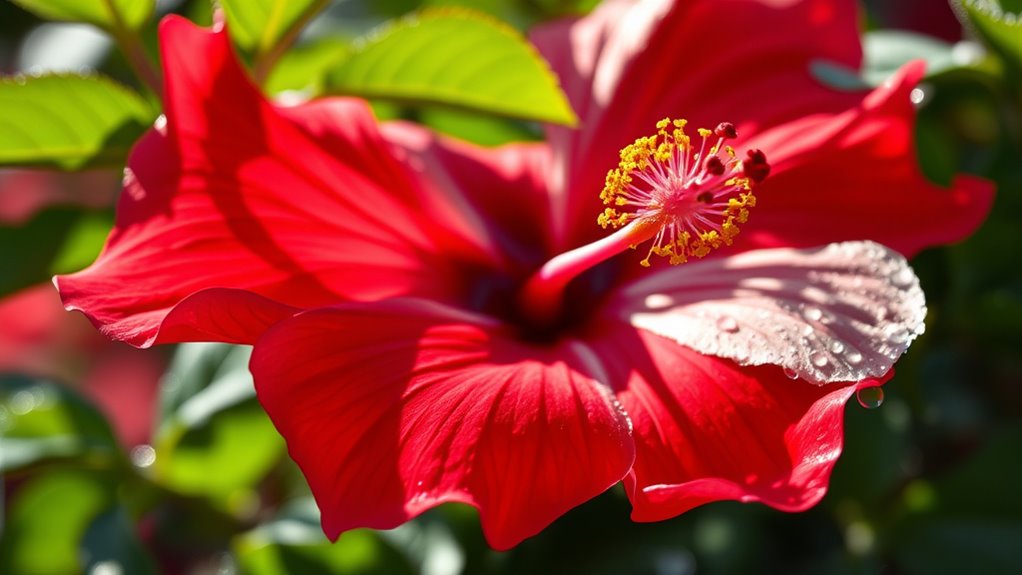
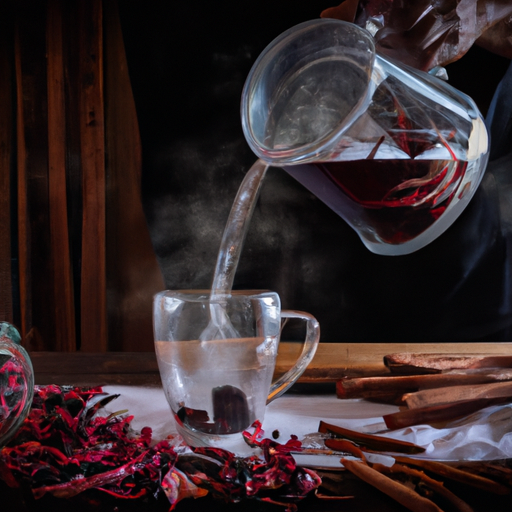
Have you ever wondered what makes hibiscus tea a popular choice worldwide? It’s not just its vibrant color or invigorating taste; it’s also because of its impressive health benefits. Hibiscus tea is celebrated for its ability to lower blood pressure, boost antioxidants, and support overall wellness. Many people drink it regularly to help manage stress and improve heart health. If you’re interested in enjoying its full benefits, brewing tips are essential. To make the perfect cup, steep dried hibiscus petals in hot water for about five to ten minutes. Strain out the petals, and you’re ready to enjoy a tart, crimson drink. You can add a touch of honey or a squeeze of lime to enhance the flavor. Drinking hibiscus tea cold or hot makes it versatile for any season, and experimenting with brewing times helps you find your ideal taste. These simple tips discover the tea’s full potential, making each cup both delicious and healthful. Additionally, learning about its antioxidant properties can help you appreciate its role in supporting overall wellness. Understanding the history and origins of hibiscus tea adds depth to your appreciation. This beverage has been enjoyed for centuries across Africa, Asia, and the Caribbean. In Africa, especially in countries like Egypt and Sudan, hibiscus has been a staple for generations. The ancient Egyptians valued it not only for its flavor but also for medicinal purposes, using it to treat ailments and as a natural remedy. In West Africa, hibiscus is often brewed into a revitalizing drink called bissap, which is a cultural tradition passed down through ages. Moving to Asia, countries like China and Thailand have long incorporated hibiscus into their herbal medicines and teas, appreciating its cooling and detoxifying properties. The Caribbean, too, embraces hibiscus in various forms, often blending it with spices or fruits to craft flavorful beverages. Its rich history reveals a global journey that highlights its significance in different cultures.
Hibiscus tea’s journey from traditional medicinal use to modern health trend underscores its enduring appeal. Today, people worldwide are discovering its potential health benefits, making it a popular herbal tea choice. Its vibrant hue and tangy flavor make it stand out among other teas, while its long-standing cultural roots give it authenticity. Whether you’re sipping it for its health benefits or simply enjoying its lively taste, understanding its history helps you connect more deeply to this ancient yet timeless beverage. Incorporating hibiscus tea into your routine is easy, especially when you follow proper brewing tips to maximize flavor and potency. Its legacy continues to grow, making it a fixture in kitchens and tea cups everywhere, blending tradition with wellness in every sip.
As an affiliate, we earn on qualifying purchases.
Frequently Asked Questions
What Are the Medicinal Benefits of Hibiscus Tea?
You’ll find that hibiscus tea offers several medicinal benefits, especially its antioxidant properties that help fight free radicals and reduce oxidative stress. It’s also known to aid in lowering blood pressure, making it beneficial for heart health. Drinking hibiscus tea regularly can support your overall wellness, improve circulation, and help manage hypertension. Its natural compounds make it a tasty, health-boosting beverage you can enjoy daily.
How Is Hibiscus Tea Traditionally Prepared Worldwide?
Imagine sipping hibiscus tea as your ancestors did during ancient festivals; today, traditional brewing varies worldwide. You might steep dried hibiscus petals in hot water, sometimes adding spices or sweeteners, depending on the culture. In Mexico, they prefer a tart, invigorating brew called “agua de jamaica,” while in Egypt, they add mint for extra flavor. These cultural variations showcase the rich, global heritage behind this vibrant, healthful beverage.
Are There Any Health Risks Associated With Drinking Hibiscus Tea?
You should be aware of potential health risks when drinking hibiscus tea. Some people may experience allergy concerns, leading to reactions like itching or swelling. It can also interact with medications, especially those for blood pressure or diabetes, so you might want to consult your doctor if you’re on medication. While generally safe, moderation is key to avoid any adverse effects from overconsumption.
How Does Hibiscus Tea Compare to Other Herbal Teas?
You’ll find hibiscus tea has a tart, fruity flavor profile that’s quite distinct from other herbal teas, which often have more subtle or earthy tastes. Unlike some herbal options, hibiscus is caffeine-free, making it a great choice if you want an energizing but non-stimulant beverage. Compared to teas like chamomile or peppermint, hibiscus offers a bold, invigorating taste with vibrant color, perfect for those seeking a flavorful, caffeine-free drink.
Can Hibiscus Tea Be Used in Cooking or Recipes?
Like adding a splash of color to your culinary palette, you can definitely use hibiscus tea in cooking and recipes. It works well in cooking applications, such as marinades, syrups, and desserts, offering a tart, fruity flavor. Experiment with flavor combinations like citrus or ginger to enhance dishes. Its vibrant hue also makes it perfect for garnishing, creating a visually appealing and flavorful addition to your culinary creations.
Conclusion
As you explore the rich history of hibiscus tea, it’s fascinating to realize how a simple flower connects cultures across the globe. Its vibrant hue and invigorating taste have been enjoyed for centuries, often by chance or tradition. Just like how you discovered this drink today, many have found comfort and celebration in its natural beauty. Hibiscus tea’s journey from ancient roots to your cup shows how coincidence can bring worlds together in the most delightful ways.
Fall yard work Picks
leaf blowers
As an affiliate, we earn on qualifying purchases.