Herbal tea has a long history rooted in diverse cultures, valued for its medicinal benefits and soothing properties. Across the world, different societies used herbs in healing rituals and spiritual practices, with traditions passing down knowledge through generations. Cultivation varies depending on climate and region, influencing distinct flavors and uses. As a symbol of hospitality and wellness, herbal tea continues to connect people with centuries of cultural and medicinal wisdom—discover more about its fascinating origins and significance.

Get coffee and tea gear delivered free with Prime
- Fast, free delivery on millions of items
- Prime Video, Amazon Music and more included
- Member-only deals all year
Key Takeaways
- Herbal tea has been valued for centuries for its medicinal and soothing properties across various cultures.
- Its cultivation involves deliberate selection and traditional practices, often passed down through generations.
- Cultural significance varies, symbolizing hospitality, healing, and spiritual rituals worldwide.
- Historically used as natural remedies, herbal teas are linked to healing practices and wellness routines.
- They serve as cultural treasures, connecting history, health, and social traditions across civilizations.
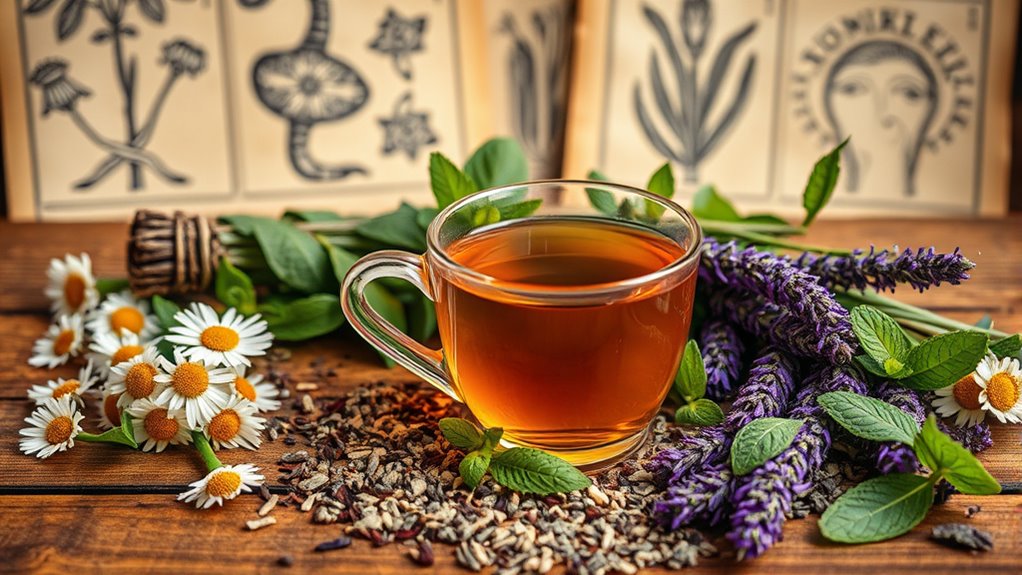
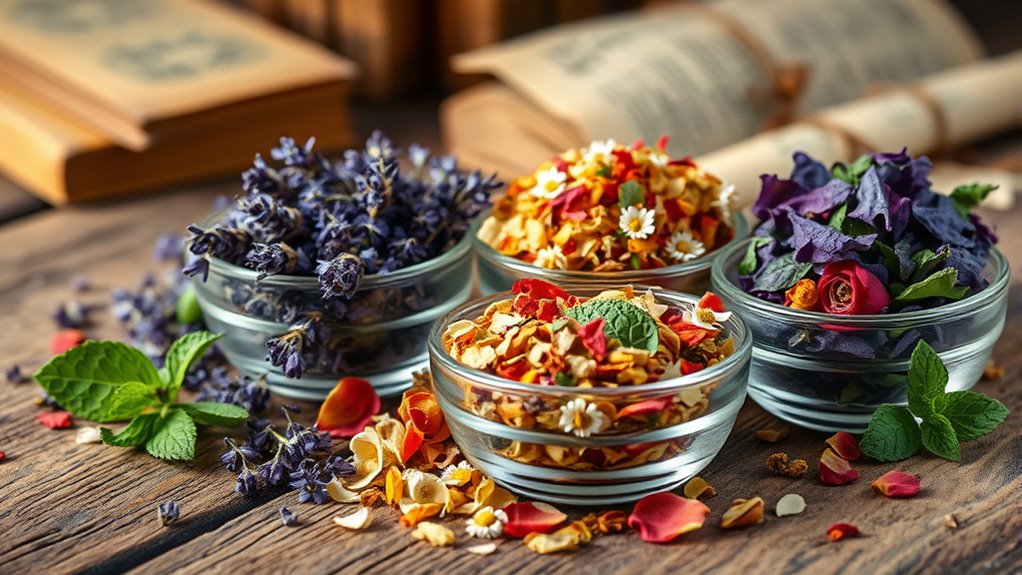
Herbal tea has been cherished for centuries for its soothing properties and medicinal benefits. As you explore its rich history, you’ll discover that the roots of herbal tea extend far beyond simple beverage choices; they are woven into the fabric of diverse cultures worldwide. The journey begins with tea cultivation, which involves more than just planting herbs. It’s a deliberate process that varies across regions, influenced by climate, soil, and tradition. In many parts of the world, cultivating herbs for tea is an art passed down through generations, with specific plants chosen for their healing properties and flavors. For instance, in China, traditional herbal teas often incorporate ingredients like chrysanthemum and ginseng, cultivated carefully to preserve their quality. Meanwhile, in Europe, herbal gardens flourish with chamomile, peppermint, and thyme, each cultivated with care to maximize their medicinal benefits.
The cultural significance of herbal tea is profound and diverse. It’s not merely a drink but a symbol of hospitality, healing, and spiritual practice. In many cultures, serving herbal tea signifies respect and a welcoming gesture. For example, in Middle Eastern societies, herbal teas like sage or mint are integral to social gatherings and daily routines, often prepared with ritualistic care. In India, herbal teas are intertwined with Ayurveda, where each herb’s medicinal properties are carefully selected to promote health and balance. Across Japan, herbal infusions are linked to traditional tea ceremonies that emphasize mindfulness and harmony. These cultural practices highlight how herbal teas serve as a bridge connecting people, history, and healing traditions.
Throughout history, herbal teas have played a crucial role in medicine and wellness, often used as natural remedies for various ailments. Their preparation and consumption reflect deep-seated beliefs about health and the body. You’ll find that in many societies, herbal teas were more than just beverages; they were integral to healing rituals and spiritual ceremonies. Additionally, herbal tea cultivation involves specific techniques that influence the quality and potency of the herbs used. Their preparation and consumption reflect deep-seated beliefs about health and the body. You’ll find that in many societies, herbal teas were more than just beverages; they were integral to healing rituals and spiritual ceremonies. Even today, the cultural significance persists, with herbal teas still enjoyed for their soothing qualities and their role in maintaining well-being. You can appreciate that each cup of herbal tea carries the legacy of countless generations, their knowledge embedded in every ingredient. Whether it’s the calming effect of chamomile or the invigorating scent of peppermint, these herbal infusions connect you to a long history of cultural traditions and medicinal wisdom. Their enduring popularity is a proof of the timeless appeal of herbal tea as a natural remedy and cultural treasure.
As an affiliate, we earn on qualifying purchases.
Frequently Asked Questions
Are Herbal Teas Safe for Children and Pregnant Women?
Herbal tea safety varies, so you should be cautious with children and pregnant women. Some herbs may cause adverse effects or interact with medications, so child pregnancy considerations are essential. Always consult a healthcare professional before giving herbal teas to children or consuming them during pregnancy. Stick to well-known, safe herbs like chamomile or ginger, and avoid risky ones like peppermint or licorice unless advised by your doctor.
How Do Herbal Teas Affect Medication Interactions?
Herbal teas can affect medication interactions by either enhancing or reducing drug effectiveness, so you should always check herbal safety before drinking them with medicines. Some herbs may interfere with drug absorption or metabolism, leading to unexpected side effects. To stay safe, consult your healthcare provider about potential drug interactions, especially if you’re on prescription medication, to make sure herbal teas won’t compromise your treatment or health.
Can Herbal Teas Help With Specific Health Conditions?
Herbal teas can be like gentle healers, offering specific benefits for health conditions. For example, chamomile soothes digestion, while peppermint relieves headaches. These teas possess medicinal properties that may support your wellness journey. While they aren’t cures, their benefits can complement treatment plans. By incorporating herbal teas into your routine, you tap into nature’s pharmacy, harnessing their healing power to help manage symptoms and promote overall health.
What Are the Most Rare or Exotic Herbs Used in Teas?
You’ll find that rare herbs and exotic ingredients like Shao Yao, Ashwagandha, and Butterfly Pea Flower are used in teas for unique flavors and potential health benefits. These rare herbs add an intriguing twist, offering more than just taste. You might enjoy exploring teas with these exotic ingredients, which are often prized for their rarity and cultural significance, making each brew a special experience you won’t find in common herbal teas.
How Can I Tell if an Herbal Tea Is of High Quality?
Think of high-quality herbal tea like a hidden gem; you’ll spot it through clear quality indicators. First, check the aroma—rich and fresh scents signal good sourcing practices. Look at the color—vibrant hues often mean better ingredients. Read labels for transparency about sourcing practices, and opt for organic options when possible. Freshness and minimal additives are key, so trust your senses to find a tea that truly shines.
Conclusion
Just as ancient civilizations found comfort in herbal brews, you can now embrace this timeless tradition. Let each sip connect you to a rich history of healing and harmony, reminding you that you’re part of a story that spans centuries. As the leaves whisper secrets of the past, may your own journey with herbal tea bring peace and renewal. Embrace this age-old ritual and carry its soothing legacy into your everyday life.
Halloween Picks
halloween
As an affiliate, we earn on qualifying purchases.