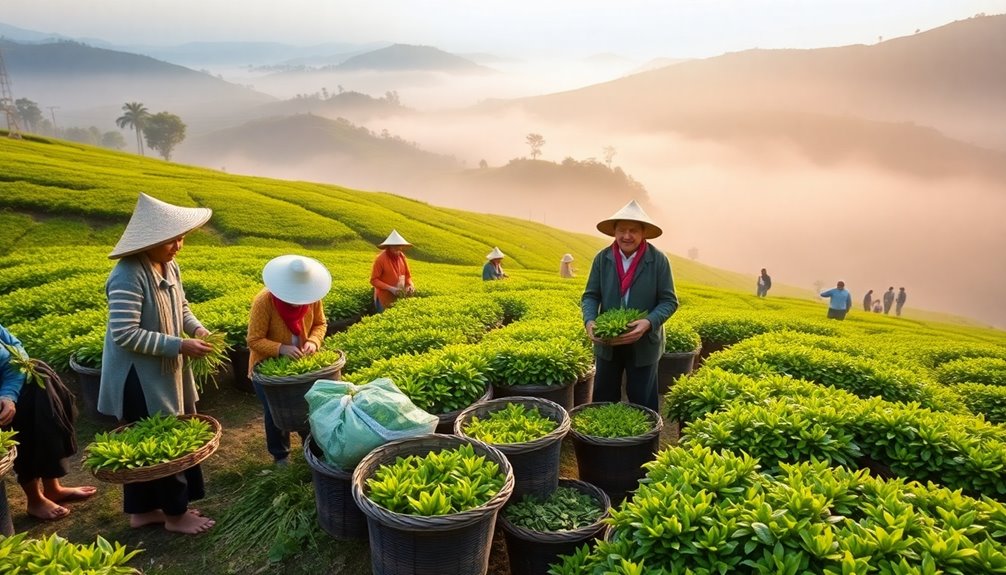
The rewilding movement encourages you to plant native tea varietals to restore ecosystems and support biodiversity. By choosing locally adapted plants, you help create habitats, attract wildlife, and reduce resource use. Incorporating indigenous practices enhances these efforts, fostering sustainable land management and resilience. This approach not only benefits nature but also respects cultural traditions. As you explore further, you’ll discover how rewilding with native tea plants fosters ecological balance and long-term sustainability.
Key Takeaways
- Rewilding promotes restoring ecosystems by planting native tea varietals that support biodiversity and landscape health.
- Incorporating indigenous land management practices enhances ecological resilience and sustainable conservation efforts.
- Native tea plants attract pollinators and wildlife, helping rebuild habitats and combat climate change impacts.
- Connecting traditional knowledge with modern science ensures culturally respectful and effective rewilding projects.
- Supporting native plantings fosters ecological diversity, landscape stability, and long-term environmental sustainability.
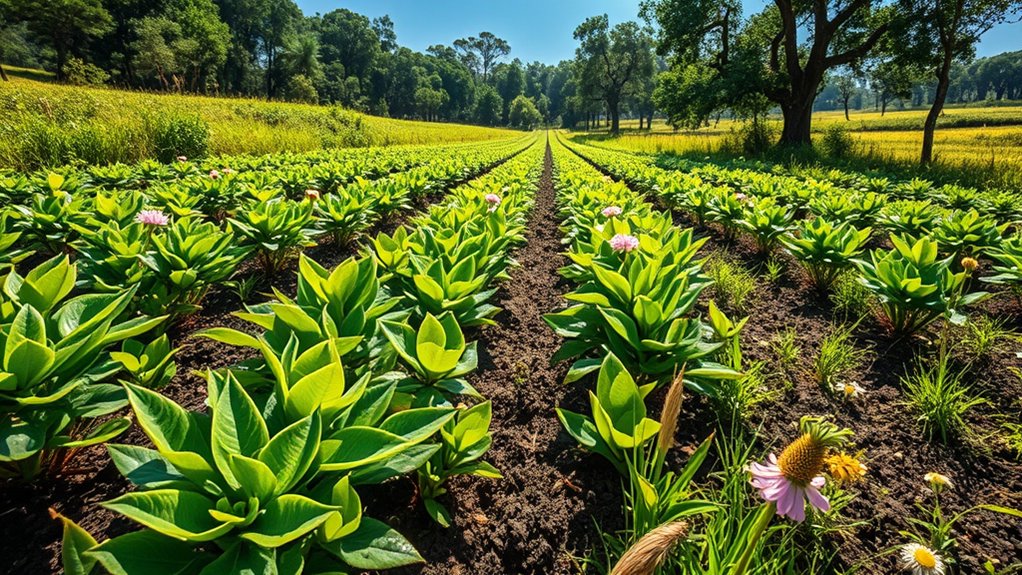
The rewilding movement is gaining momentum as people recognize the urgent need to restore natural ecosystems and revive endangered species. When you get involved, you’re helping to transform landscapes by planting native tea varietals that support local biodiversity. This approach isn’t just about agriculture; it’s about reconnecting with indigenous practices that have sustained ecosystems for centuries. Indigenous communities often possess deep knowledge of local flora, understanding which plants thrive together and how to maintain ecological balance. By integrating these traditional methods into your rewilding efforts, you’re fostering conservation efforts that are both culturally respectful and environmentally sustainable.
Plantting native tea varietals is a practical step toward rewilding because these plants are adapted to the local climate and soil conditions. They require fewer chemicals, less water, and minimal intervention, making them ideal for restoring degraded lands. When you choose native plants, you help create habitats that attract pollinators, birds, and other wildlife, which are essential for maintaining healthy ecosystems. This process not only conserves genetic diversity but also provides economic opportunities for local communities through sustainable harvests. You’re supporting a cycle that benefits both nature and people, reinforcing the importance of indigenous knowledge in shaping ecological restoration.
Conservation efforts become more effective when they respect and incorporate indigenous practices. Traditional land management often includes controlled burning, selective harvesting, and other techniques that promote plant diversity and prevent invasive species from taking over. By learning from these practices, you contribute to more holistic rewilding projects that go beyond planting trees—they restore the complex web of life that sustains entire ecosystems. Recognizing the value of indigenous expertise ensures that rewilding initiatives are culturally appropriate and more likely to succeed in the long term.
As you participate in planting native tea varietals, you’re not just restoring a single plant species—you’re helping to rebuild an entire habitat. This effort encourages resilience against climate change and human encroachment, which threaten many ecosystems today. Embracing indigenous practices in your conservation efforts means you’re honoring ancestral wisdom that has preserved these landscapes for generations. Your actions help bridge traditional knowledge and modern science, fostering a deeper connection with the land. Ultimately, rewilding with native plants becomes a powerful expression of respect for nature’s complexity and a vital step toward a sustainable future. Additionally, understanding the role of wave and wind in shaping coastal landscapes can inform how we select and position plantings for maximum ecological benefit.
Frequently Asked Questions
How Does Rewilding Affect Local Wildlife Habitats?
Rewilding improves local wildlife habitats by creating wildlife corridors that connect fragmented areas, allowing animals to move freely and access resources. You help increase habitat diversity, which supports various species and promotes a balanced ecosystem. By planting native species, you provide essential food and shelter, encouraging wildlife to thrive. This process fosters resilient habitats, ensuring that native animals can survive and adapt to environmental changes more effectively.
What Are the Economic Benefits of Planting Native Tea Varietals?
You’re striking gold by planting native tea varietals, as it boosts market diversification and supports sustainable employment. This approach attracts eco-conscious consumers, opening new markets and increasing profits. Additionally, it reduces reliance on imports, strengthening local economies. The long-term benefits include resilient agricultural systems and job creation in rural areas. Fundamentally, investing in native teas helps you grow a sustainable, profitable business while nurturing the environment at the same time.
Are There Specific Regions Ideal for Rewilding Native Tea Plants?
You should focus on regions with the right climate suitability and soil requirements for native tea plants. Look for areas with consistent rainfall, moderate temperatures, and well-drained, fertile soils. Highlands or misty mountain slopes often provide ideal conditions. By selecting these specific regions, you increase the chances of successful rewilding, helping native tea varieties thrive naturally while supporting local ecosystems and communities.
How Can Consumers Support the Rewilding Movement Through Their Purchases?
Did you know that over 70% of consumers now prefer brands committed to sustainability? By choosing teas with transparent sustainable sourcing and fair trade practices, you actively support rewilding efforts. Your purchases can help protect native habitats and promote biodiversity. Every cup you enjoy encourages producers to prioritize eco-friendly methods, making a real difference in rewilding native tea plants. Support the movement—your choices matter!
What Challenges Exist in Restoring Native Tea Plant Populations?
Restoring native tea plant populations faces significant challenges. You might encounter issues with maintaining genetic diversity, which is essential for resilience against pests and climate change. Cultivation challenges, such as adapting farming techniques and overcoming limited knowledge about native varieties, also pose obstacles. These hurdles require careful research and sustainable practices, but your support and awareness can help overcome them, ensuring the preservation of native tea ecosystems for future generations.
Conclusion
By embracing the rewilding movement and planting native tea varietals, you help restore ecosystems and support biodiversity. It’s believed that reintroducing native plants can naturally regulate pests and improve soil health, making your efforts more sustainable. When you choose to rewild, you’re not just cultivating tea — you’re contributing to a larger ecological balance. This approach aligns with the theory that native species foster resilient environments, proving that small actions can lead to significant ecological shifts.